
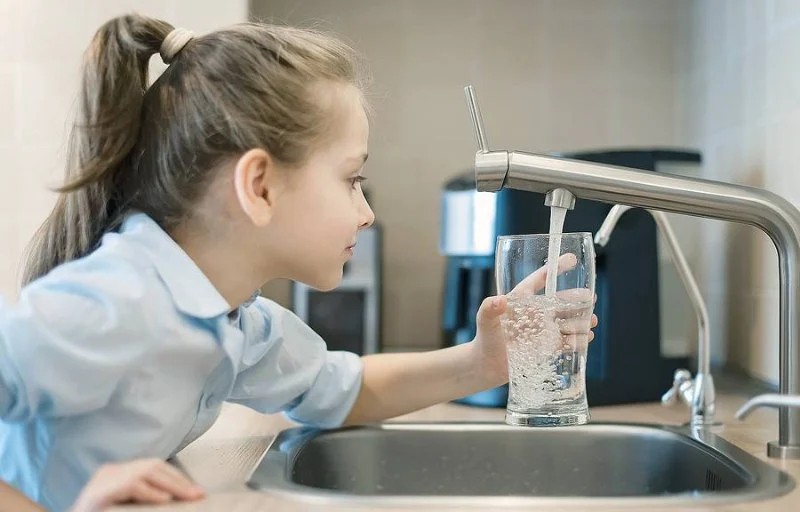
- Understanding Water Quality
- Common Water Quality Issues
- Plumbing Tips to Improve Water Quality
- Maintaining Your Water System
- When to Call a Plumber
Understanding Water Quality
Water quality is essential for maintaining a healthy home. The water that flows through your pipes should be clean, safe, and free of contaminants. Poor water quality can lead to various issues, from unpleasant tastes and odors to potential health risks. As a homeowner, it's crucial to understand the factors that affect water quality and how plumbing plays a role in maintaining it.
1. What Affects Water Quality?
Several factors can affect the quality of water in your home. These include:
- Water Source: Whether your water comes from a well, a public water supply, or a private system, the source plays a significant role in water quality.
- Plumbing System: The age and condition of your pipes can impact water quality. Older pipes may leach contaminants like lead into your water.
- Filtration: Without proper filtration, your water may contain sediment, chlorine, or bacteria that affect taste and safety.
- Water Hardness: Hard water contains high levels of minerals like calcium and magnesium, which can cause buildup in pipes and appliances.
Common Water Quality Issues
While many homes receive clean, treated water, various issues can still affect water quality. Recognizing these issues early on can help you take corrective action.
1. Sediment and Rust
In older plumbing systems, rust and sediment can accumulate in pipes over time, leading to discoloration and poor water quality. This is particularly common in homes with galvanized steel or cast-iron pipes.
2. Hard Water
Hard water is a common problem, particularly in areas with high mineral content in the water. Hard water can cause scale buildup in pipes, water heaters, and appliances, reducing efficiency and shortening their lifespan.
3. Chlorine and Chemical Taste
Municipal water systems often use chlorine to disinfect water. While effective, chlorine can leave a strong chemical taste and odor, making the water unpleasant to drink or use in cooking.
4. Contaminants from Aging Pipes
Homes with old plumbing systems may have pipes that leach contaminants like lead, which can pose serious health risks. Lead exposure is particularly dangerous for young children and pregnant women.
Plumbing Tips to Improve Water Quality
There are several plumbing strategies you can implement to improve the quality of water in your home. Regular maintenance and the right solutions can ensure that your water remains clean and safe for use.
1. Install a Water Filtration System
One of the most effective ways to improve water quality is by installing a water filtration system. Depending on your needs, you can choose from:
- Whole-House Filters: These filters treat all water entering your home, ensuring clean water for drinking, bathing, and cooking.
- Point-of-Use Filters: These are installed at individual taps, such as under the kitchen sink, to filter water for drinking and cooking.
2. Replace Old or Damaged Pipes
If you have older pipes made from galvanized steel, cast iron, or lead, it’s crucial to replace them. These materials can corrode over time, affecting water quality. Modern plumbing systems use copper, PEX, or PVC pipes that are safer and more durable.
3. Use a Water Softener
If you have hard water, installing a water softener can help reduce mineral buildup. Water softeners work by exchanging calcium and magnesium ions with sodium ions, preventing scale formation in your pipes and appliances.
4. Regularly Flush Your Water Heater
Mineral deposits can build up in your water heater, especially in areas with hard water. Flushing your water heater annually can help prevent sediment buildup and ensure that hot water is delivered efficiently.
5. Address Rust and Sediment Issues
If you notice rust-colored water or sediment buildup, it may be time to clean or replace your pipes. Installing sediment filters at your main water supply line can also help catch particles before they enter your system.
6. Consider Reverse Osmosis
For high-quality drinking water, consider a reverse osmosis (RO) system. RO filters are highly effective at removing impurities like chlorine, lead, and other contaminants, providing you with clean, great-tasting water.
Maintaining Your Water System
Maintaining your plumbing system is essential for ensuring that your water quality remains high. Regular maintenance can prevent many common water quality issues and extend the life of your plumbing.
1. Regular Plumbing Inspections
Hiring a professional plumber to inspect your system regularly can help catch potential issues before they become major problems. During an inspection, the plumber will check for leaks, corrosion, sediment buildup, and other factors that could affect water quality.
2. Clean and Replace Filters
If you have a filtration system, be sure to clean and replace the filters regularly. Over time, filters can become clogged with contaminants and lose their effectiveness. Check manufacturer guidelines for how often to replace the filters in your system.
3. Maintain Your Water Softener
If you use a water softener, make sure to add salt regularly and check the system for any malfunctions. Properly maintaining the softener helps ensure that it continues to function correctly and improves your water quality.
When to Call a Professional Plumber
While many water quality issues can be managed with DIY methods, there are times when you should call a professional plumber for assistance. Here are a few situations where a plumber can help:
1. Persistent Water Quality Problems
If you’ve tried using filters or softeners, but your water quality remains poor, a plumber can conduct a thorough inspection to identify and resolve the underlying issues.
2. Leaks and Corrosion
If you suspect that your pipes are leaking or corroding, it's crucial to call a plumber immediately. These issues can lead to serious water contamination and should be addressed promptly.
3. Lead in the Water
If you live in an older home with lead pipes or have high levels of lead in your water, a plumber can help replace the pipes and install a suitable filtration system to ensure safe drinking water.
By following these plumbing tips, you can ensure that your home’s water remains clean and safe. Regular maintenance, combined with the right plumbing solutions, will help improve water quality and prevent common issues. For the best plumbing products and services, visit Plumbers Supply Hub for expert recommendations tailored to your needs.
 1-Tom-Plumber5.0 (2457 reviews)
 Mr Water Heater Guy4.0 (25 reviews)
 Heeter Plumbing, LLC4.0 (152 reviews)
 Greg's Sewer & Drains5.0 (44 reviews)
 Jackteck Plumbing Services5.0 (48 reviews)
 Service 1 Plumbing4.0 (25 reviews)
 How to Insulate Exposed Pipes Without Blocking Access
 The Risks of Ignoring a Small Pipe Leak Early On
 How to Replace a Broken Pipe in a Slab Foundation | Plumbers Supply Hub
 How to Replace a Plumbing Vent Cap on the Roof | Plumbers Supply Hub
 What to Do If Your Toilet Is Overflowing: Quick Steps to Take
 How to Install a Bathroom Sink: A Complete Guide