
1. Why Insulating Exposed Pipes Is Important
- 1. Why Insulating Exposed Pipes Is Important
- 2. How to Insulate Exposed Pipes Without Blocking Access
- 3. Best Materials for Insulating Exposed Pipes
- 4. Real-Life Examples of Successful Pipe Insulation
1. Why Insulating Exposed Pipes Is Important
Exposed pipes, especially in colder climates, are at risk of freezing during winter months. Freezing pipes can burst, causing significant water damage and costly repairs. Insulating your exposed pipes helps prevent freezing, ensures a steady water supply, and maintains the integrity of your plumbing system. However, insulating these pipes requires careful consideration to avoid blocking access for potential repairs and maintenance.
In addition to preventing freezing, proper insulation can improve the overall energy efficiency of your home by reducing heat loss from hot water pipes and reducing the amount of energy required to heat your water. Insulating pipes can also help reduce condensation on cold water pipes, which can cause mold growth and water damage to surrounding areas.

2. How to Insulate Exposed Pipes Without Blocking Access
When it comes to insulating pipes, you’ll want to strike a balance between protection and access. Here are several ways to insulate your pipes effectively while still ensuring that you can easily access them for repairs and maintenance:
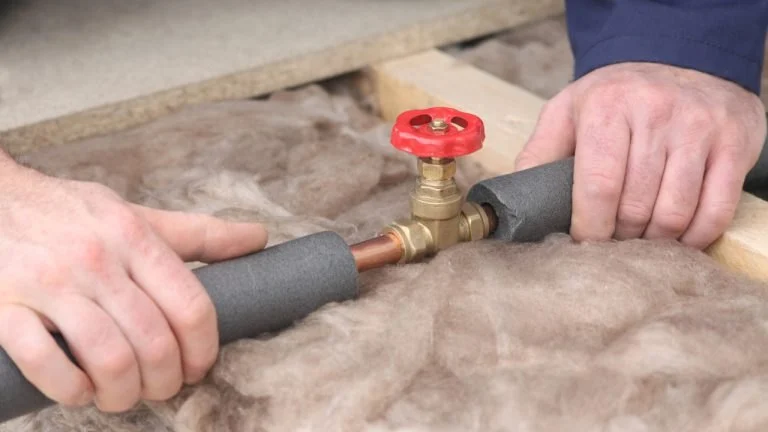
- Use Removable Pipe Insulation Sleeves: Removable insulation sleeves or wraps are a great option for insulating pipes without permanently blocking access. These sleeves are easy to install and remove when necessary. Simply slip them over the pipes to provide insulation, and take them off when you need to perform maintenance or repairs.
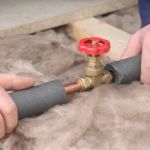
- Insulate with Foam Pipe Insulation: Foam pipe insulation is flexible and can be cut to fit around your pipes. This type of insulation can be applied in sections, allowing you to insulate portions of the pipe while leaving certain areas exposed for easy access. Make sure to leave the access points open where repairs or valve operations may be required.
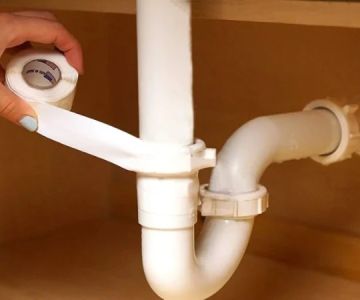
- Use Pipe Insulation Tape: Pipe insulation tape is a great alternative for areas where space is tight. It can be wrapped around the pipe and easily removed without causing damage. This option offers flexibility and makes it simple to insulate sections of exposed pipe while still providing easy access to critical areas.
- Install Insulation with Slits: Some pipe insulation products come with pre-cut slits, making them easier to wrap around pipes without blocking access. These slits allow you to open the insulation and make adjustments or repairs without needing to remove it entirely.
By using these methods, you can insulate your pipes effectively without sacrificing the ability to perform necessary repairs or maintenance down the road.
CAC Plumbing, LLC
Granite QuarryRowan CountyNorth Carolina
407 S Salisbury Ave, Granite Quarry, NC 28146, USA
3. Best Materials for Insulating Exposed Pipes
Choosing the right materials for insulating your exposed pipes is crucial to ensure effective protection. Here are some of the best materials to consider when insulating your pipes:
- Foam Insulation: Foam is one of the most commonly used materials for pipe insulation. It provides excellent thermal protection, is easy to install, and is available in a variety of sizes to fit different pipe diameters.
- Fiberglass Insulation: Fiberglass insulation is highly effective at retaining heat and can be used to insulate both hot and cold pipes. It comes in batts or rolls and can be wrapped around pipes or installed in specific sections that need extra protection.
- Reflective Foil Insulation: Reflective foil insulation is ideal for insulating pipes in areas with extreme temperature fluctuations. This material reflects heat back towards the pipe, helping to keep water at the desired temperature and preventing freezing.
- Rubber Insulation: Rubber pipe insulation is durable, flexible, and provides excellent resistance to extreme temperatures. It’s especially beneficial for use in areas with very cold weather or where high temperatures are common.
Each of these materials has its own benefits, so choosing the right one depends on the climate and location of your exposed pipes. For optimal performance, consider using a combination of materials to address different needs for insulation and access.
4. Real-Life Examples of Successful Pipe Insulation
Many homeowners have successfully insulated their exposed pipes to avoid damage from freezing, while still maintaining easy access for repairs. Here are a few examples of how proper insulation can save you money and protect your plumbing system:
- Case 1: The Winter Freeze Prevention - John, a homeowner in Minnesota, used foam pipe insulation on his outdoor water supply pipes. He left access points open for the shutoff valves and was able to prevent his pipes from freezing during one of the coldest winters on record.
- Case 2: Easy Access for Maintenance - Sarah insulated the pipes in her basement using flexible fiberglass insulation. By wrapping it around the pipes in sections, she kept the pipes safe from freezing but could still easily access the pipes for annual maintenance checks without removing the entire insulation.
- Case 3: Insulating Pipes in Tight Spaces - Alex used removable pipe insulation sleeves for the pipes under his kitchen sink, which were in tight spaces and difficult to access. This allowed him to insulate the pipes without blocking his ability to perform future repairs when needed.
These real-life examples highlight how insulating exposed pipes while maintaining access for repairs is not only possible but also beneficial for the longevity of your plumbing system.
For more advice on pipe insulation materials and products, visit Plumbers Supply Hub to find the best options for your home and ensure that your pipes are properly insulated without compromising accessibility.
 Roto-Rooter Plumbing & Water Cleanup4.0 (1076 reviews)
 Hard Knox Plumbing5.0 (272 reviews)
 South Haven Sewer Works2.0 (3 reviews)
 Proper Plumbing5.0 (80 reviews)
 Pro Sewer Svc4.0 (32 reviews)
 Jacob & Sons Plumbers4.0 (40 reviews)
 How to Fix a Leaky Sink Drain: A Step-by-Step Plumbing Guide
 How to Replace a Toilet Flush Lever: Easy Step-by-Step Guide
 What Causes High Water Bills and How to Fix It
 How to Insulate Exposed Pipes Without Blocking Access
 How to Prevent and Fix Toilet Clogs | Expert Solutions
 How to Fix a Sink That Rattles When Water Runs: Troubleshooting Guide