
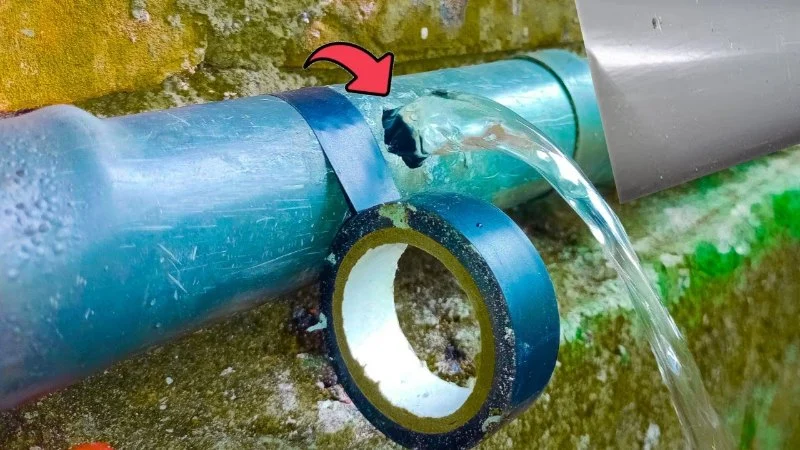
- 1. Understanding the Type of Pipe Damage
- 2. Immediate Steps to Minimize Water Damage
- 3. Temporary Repair Methods That Work
- 4. Permanent DIY Pipe Repair Solutions
- 5. When You Should Still Call a Professional
1. Understanding the Type of Pipe Damage
Learning how to repair a broken pipe without calling a plumber starts with identifying exactly what you're dealing with. Not all pipe damage is the same. Some leaks are small pinholes caused by corrosion, while others are cracks from freezing temperatures or accidental impact.
Last winter, a friend in Chicago discovered a small split in a basement copper pipe after a sudden cold snap. The water wasn’t gushing, but it was enough to soak the insulation and create a serious mess. Because he caught it early, he avoided thousands of dollars in water damage by acting quickly.
1.1 Common Causes of Broken Pipes
- 1. Freezing temperatures causing expansion.
- 2. Corrosion in older metal pipes.
- 3. Excess water pressure.
- 4. Accidental drilling or impact during home projects.
Understanding the root cause helps determine whether a DIY repair is safe and realistic.
2. Immediate Steps to Minimize Water Damage
Before attempting any pipe repair, your first goal is damage control.
2.1 Shut Off the Water Supply
Locate your home’s main water shutoff valve and turn it off immediately. If the leak is isolated, you may be able to shut off water to just that fixture or area.
2.2 Drain the Pipes
Open faucets to relieve pressure and drain remaining water. This prevents additional leaking while you work.
2.3 Dry the Area Thoroughly
Use towels, fans, or a wet/dry vacuum to remove standing water. Moisture left behind can lead to mold growth within 24 to 48 hours.
These quick actions buy you time and reduce the urgency of calling a plumber immediately.
3. Temporary Repair Methods That Work
If you need a fast solution, there are reliable temporary methods to stop a pipe leak.
3.1 Pipe Repair Tape
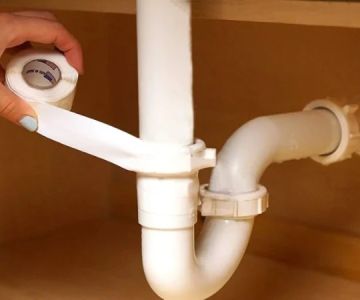
Self-fusing silicone tape is one of the easiest emergency solutions. Wrap it tightly around the damaged section, overlapping layers for maximum pressure resistance. It forms a waterproof seal when stretched properly.
3.2 Epoxy Putty
Epoxy putty works well for small cracks and holes. After drying the pipe, knead the putty and press it firmly over the damaged area. It hardens quickly and creates a strong seal.
3.3 Pipe Clamps and Rubber Patches
A rubber patch combined with a pipe clamp can temporarily secure a larger crack. This method is especially useful for straight sections of pipe.
While these techniques are effective, they should be viewed as short-term fixes until a more permanent solution is installed.
4. Permanent DIY Pipe Repair Solutions
For homeowners comfortable with basic tools, a permanent repair is possible without calling a plumber.
4.1 Replacing a Section of Pipe
If the damaged area is significant, cutting out and replacing that section may be necessary. Use a pipe cutter to remove the broken portion. Install a new section using compression fittings or push-to-connect fittings, which are user-friendly and require no soldering.
4.2 Using Push-to-Connect Fittings
Modern push-to-connect fittings have made DIY plumbing far more accessible. Simply cut the pipe cleanly, deburr the edges, and push the fitting into place. It creates a watertight seal without specialized equipment.
4.3 Monitoring After Repair
Once repaired, turn the water back on slowly and check for leaks. Monitor the area for 24 hours to ensure stability.
Many homeowners have saved significant money by confidently handling minor plumbing repairs themselves. Access to quality fittings and tools makes a major difference. Plumbers Supply Hub offers a wide selection of reliable pipe repair materials that make DIY projects more manageable.
5. When You Should Still Call a Professional
Even when learning how to repair a broken pipe without calling a plumber, it’s important to recognize limits.
5.1 Extensive Water Damage
If the leak has caused structural damage, electrical risks, or mold growth, professional assessment is essential.
5.2 Major Pipe Bursts
Large ruptures, especially in main supply lines, often require advanced tools and experience.
5.3 Hidden Leaks Behind Walls
If you suspect a leak inside walls or under flooring, locating and repairing it may require specialized equipment.
DIY plumbing can be empowering and cost-effective, but safety and long-term reliability should always come first. By acting quickly, using the right materials, and understanding your limits, you can successfully repair minor pipe issues without immediately calling a plumber.
If you’re planning to handle a repair yourself, sourcing dependable parts from Plumbers Supply Hub ensures you have professional-grade materials for a secure and lasting fix.
 Behrens Plumbing & Mechanical5.0 (7 reviews)
 Bob Leek's Plumbing5.0 (4 reviews)
 Tankless Pro4.0 (42 reviews)
 Corsillo Plumbing & Sewer Cleaning Co.4.0 (63 reviews)
 Lane Plumbing Inc4.0 (138 reviews)
 Vera Plumbing and Drain LLC5.0 (4 reviews)
 Why Your Sewer Line Is Clogged and How to Fix It
 How to Replace a Spigot That Leaks Only When Turned On
 How to Repair a Condensation Issue on Cold Pipes
 How to Replace a Pressure Reducing Valve Quietly: A Step-by-Step Guide
 How to Fix a Leaky Water Heater: Step-by-Step Instructions
 How to Detect and Repair Hidden Leaks in Your Home’s Plumbing System