
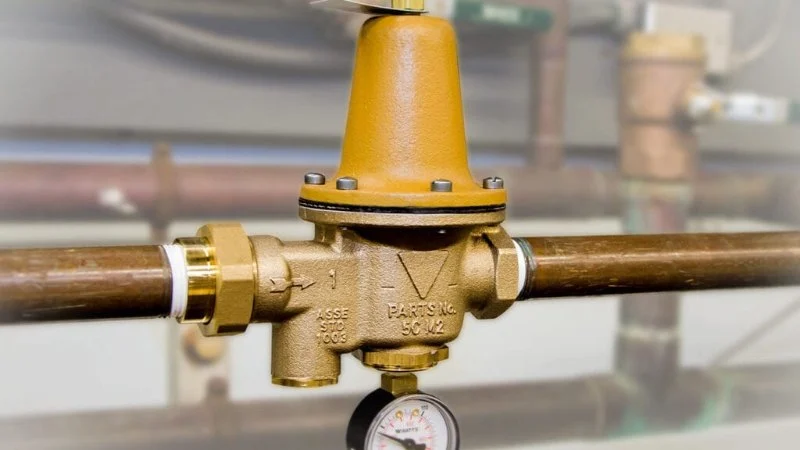
What is a Pressure Reducing Valve?
A Pressure Reducing Valve (PRV) is a crucial component in your plumbing system that helps manage the water pressure entering your home. It ensures that the pressure is reduced to a safe and manageable level, preventing damage to pipes, fixtures, and appliances. PRVs are typically installed where water enters the home, controlling the flow and preventing high-pressure water from causing leaks or ruptures in the system.
If your home has high water pressure, it can cause problems like burst pipes, excessive water usage, or noisy plumbing. A PRV helps regulate that pressure and can be a vital part of maintaining a safe and efficient plumbing system.
All Clear Sewer & Drainage
Spring GroveMcHenry CountyIllinois
1103 Main St Rd A, Spring Grove, IL 60081, USA
Signs You Need to Replace the Pressure Reducing Valve
Knowing when to replace your pressure reducing valve is essential for maintaining your home's plumbing system. Here are a few signs that your PRV may need to be replaced:
- High Water Pressure: If you notice high water pressure despite having a PRV installed, the valve may no longer be functioning properly.
- Water Hammer Sounds: If your pipes make banging noises when you turn off faucets, it could indicate that the PRV is failing to regulate the pressure.
- Water Leaks: A leaking PRV is a sign that the valve is broken or worn out, and it may need to be replaced to avoid further water damage.
- Low Water Pressure: While PRVs control high water pressure, they can also cause low water pressure if they malfunction.
If you notice any of these symptoms, it's a good idea to inspect your pressure reducing valve and consider replacing it before the problem worsens.
Preparing for the Pressure Reducing Valve Replacement
Before you begin replacing your pressure reducing valve, there are a few steps you need to take to prepare:
- Turn Off the Water Supply: Always shut off the main water supply to your home before working on any plumbing component to prevent water damage and flooding.
- Gather the Right Tools: You'll need a few basic plumbing tools for this project, including a pipe wrench, screwdriver, pipe sealant, and a new PRV.
- Check the Water Pressure: Before removing the old valve, measure the current water pressure with a pressure gauge to ensure that the new valve will be installed properly.
Once you're prepared, you can move on to the actual replacement process.
Step-by-Step Guide to Replacing the Pressure Reducing Valve
Here’s a detailed guide on how to replace a pressure reducing valve:
- Step 1: Disconnect the Old Valve: Use a pipe wrench to carefully loosen the nuts that hold the old PRV in place. Once they are loosened, remove the old valve from the plumbing system.
- Step 2: Prepare the New Valve: Apply pipe sealant to the threads of the new PRV to ensure a tight, leak-proof seal when it's installed.
- Step 3: Install the New Valve: Position the new valve in place, ensuring that it's oriented correctly, then tighten the nuts using the pipe wrench to secure it. Be sure not to overtighten to avoid damaging the valve or pipes.
- Step 4: Test the Installation: Turn the water supply back on and check the new valve for leaks. Use the pressure gauge to confirm that the water pressure is regulated at the desired level.
After completing these steps, your pressure reducing valve should be fully replaced and working effectively.
Tips for Minimizing Noise During Installation
Installing a new PRV can sometimes create noise, particularly if the valve is improperly installed or if there is air trapped in the pipes. Here are a few tips to minimize noise during installation:
- Ensure Proper Tightening: Make sure that the PRV is installed tightly but not overtightened, which can cause vibrations and increase noise.
- Check for Air Traps: Air trapped in pipes can cause banging sounds when water pressure is restored. Be sure to properly flush the system after installation to remove any air pockets.
- Use a High-Quality Valve: A higher-quality PRV is designed to operate quietly and smoothly, which can help minimize noise in your plumbing system.
When to Call a Professional for Help
While replacing a pressure reducing valve can be a straightforward task, there are situations when it’s best to call in a professional plumber:
- If you're unsure about your plumbing skills or lack the proper tools for the job.
- If the PRV is located in a hard-to-reach area or requires advanced plumbing skills.
- If you experience persistent issues with water pressure or leaks after replacing the valve.
Calling a professional ensures that the job is done correctly and can help prevent any additional plumbing issues down the line.
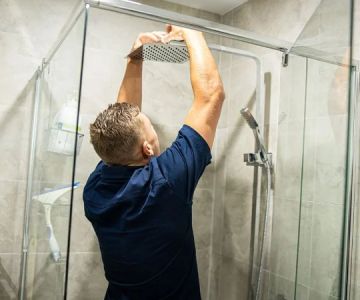
 DH&Z Plumbing4.0 (20 reviews)
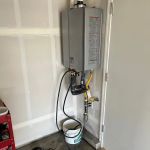 PDS Plumbing and Air4.0 (232 reviews)
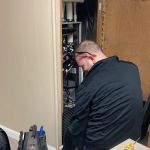 South Side Plumbing & Heating4.0 (501 reviews)
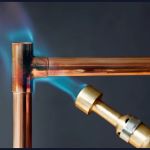 Mike E. West Plumbing3.0 (6 reviews)
 Pemberton Plumbing3.0 (2 reviews)
 PlumbPro5.0 (1 reviews)
 How to Replace a Float Valve in a Rain Barrel System
 The Essential Plumbing Emergency Kit Every Homeowner Needs: Key Tools for Fast Fixes
 How to Maintain Your Plumbing System to Avoid Costly Repairs
 Why Your Pipes Are Vibrating and How to Fix It
 How to Replace a Water Heater Anode Rod
 What to Do When Your Sink Leaks Only at the Base: Causes & Fixes