
- 1- Understanding Low Water Pressure
- 2- Common Causes of Low Water Pressure
- 3- How to Fix Low Water Pressure
- 4- Preventive Tips to Avoid Future Water Pressure Issues
- 5- Why Trust Plumbers Supply Hub for Your Plumbing Needs
1. Understanding Low Water Pressure
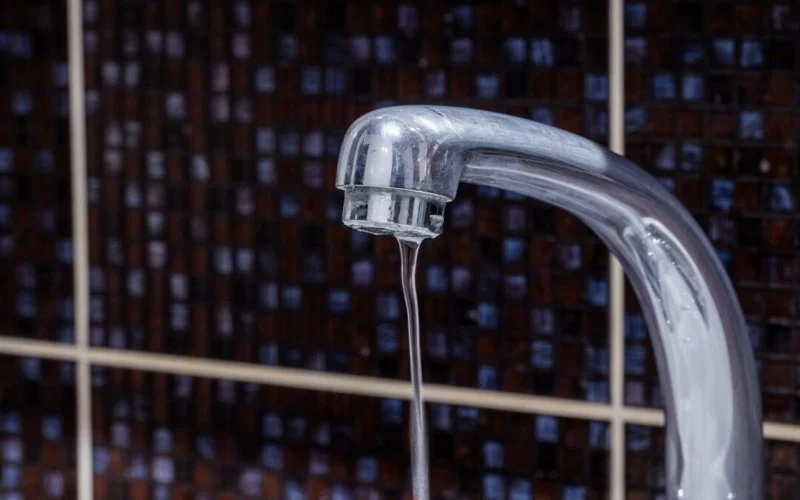
Low water pressure is a common household issue that can lead to a range of inconveniences, from weak showers to difficulty operating appliances like dishwashers and washing machines. It occurs when the force of water flowing through your pipes is lower than what’s needed for optimal performance. While this problem can be frustrating, it’s important to identify the cause and address it promptly to restore proper water flow.
In this article, we will explore the common causes of low water pressure and provide effective solutions to help you fix it. Additionally, we’ll offer tips to prevent future water pressure issues and keep your plumbing system running smoothly.
2. Common Causes of Low Water Pressure
There are several reasons why your home might experience low water pressure. Understanding these causes is the first step in identifying the right solution:
Special K’s Plumbing LLC
FruitportMuskegon CountyMichigan
3609 S Hilton Park Rd, Fruitport, MI 49415, USA
2.1. Clogged Pipes
Over time, minerals and debris can build up inside your pipes, restricting water flow. This can be especially common in areas with hard water, which contains high levels of minerals like calcium and magnesium. Clogged pipes can significantly reduce water pressure and may require professional cleaning or pipe replacement to resolve.
2.2. Leaky Pipes
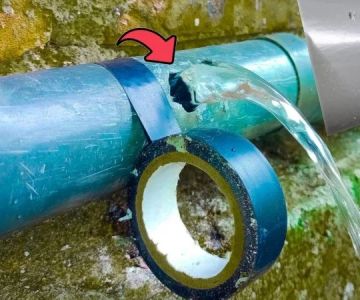
Leaks in your plumbing system can lead to water loss, reducing the amount of water that reaches your fixtures. Even small leaks can cause a noticeable drop in water pressure. If you suspect a leak, it’s important to locate and fix it as soon as possible to prevent further damage and water wastage.
2.3. Faulty Pressure Regulator
Your home may have a pressure regulator, a device that controls the water pressure coming into your home from the main supply line. If this regulator becomes faulty, it can result in either low or excessively high water pressure. Replacing or adjusting the pressure regulator can help restore proper water flow.
2.4. Corroded Pipes
Older pipes, especially those made of galvanized steel or iron, can corrode over time. As the pipes rust, their internal diameter shrinks, restricting water flow and lowering pressure. In some cases, replacing old pipes with newer materials, such as copper or PVC, may be necessary to resolve this issue.
2.5. Municipal Supply Issues
Sometimes, low water pressure may not be an issue within your home but rather a result of problems with the municipal water supply. If your neighbors are also experiencing low pressure, it could be due to maintenance work, a broken water main, or an increase in water demand in your area. In such cases, contacting your water provider for more information may be necessary.
3. How to Fix Low Water Pressure
Now that you understand the common causes of low water pressure, it’s time to explore how to fix the issue. Here are some solutions you can try:
3.1. Check for Clogs and Mineral Build-Up
If your low water pressure is caused by mineral deposits or debris in your pipes, a professional plumber can use specialized equipment to clean your pipes and remove blockages. Additionally, installing water softeners can help prevent further mineral build-up in areas with hard water.
3.2. Fix Leaks Promptly
Leaks can be difficult to detect, but they can contribute to a significant drop in water pressure. Check for signs of water damage or damp spots on walls or ceilings. If you notice any leaks, it’s crucial to call a plumber to repair them before they cause further damage to your home.
3.3. Adjust or Replace the Pressure Regulator
If your home has a pressure regulator, you may be able to adjust it to restore proper water pressure. However, if the regulator is malfunctioning, it may need to be replaced. A plumber can help ensure the right pressure level is set for your home.
3.4. Replace Corroded Pipes
If your pipes are corroded and causing low water pressure, replacing them with newer, more durable materials can improve water flow. This is a more involved solution and may require professional plumbing services.
3.5. Contact Your Water Provider
If the issue is with the municipal water supply, contact your water provider to inquire about any maintenance work or issues in your area. They may be able to provide an estimated timeline for when water pressure will return to normal.
4. Preventive Tips to Avoid Future Water Pressure Issues
Once you’ve addressed your current low water pressure issue, it’s important to take steps to prevent future problems. Here are some tips:
4.1. Regular Plumbing Inspections
Schedule regular plumbing inspections to catch potential issues before they become major problems. A professional plumber can identify early signs of clogged pipes, leaks, or corrosion that could lead to low water pressure.
4.2. Install a Water Softener
If you live in an area with hard water, consider installing a water softener. Softening the water can help prevent mineral build-up in your pipes and appliances, reducing the risk of low water pressure caused by clogs.
4.3. Monitor Your Pressure Regulator
Ensure that your pressure regulator is in good working condition and set to the proper pressure level. This can help prevent fluctuations in water pressure and ensure a steady flow of water throughout your home.
5. Why Trust Plumbers Supply Hub for Your Plumbing Needs
If you’re dealing with low water pressure or any other plumbing issues, trust Plumbers Supply Hub for all your plumbing needs. We offer a wide range of high-quality products and expert advice to help you resolve water pressure problems and keep your plumbing system in top condition. Visit us today for plumbing solutions and professional recommendations tailored to your needs.
 AR Contracting5.0 (5 reviews)
 We Plumb5.0 (6 reviews)
 Pro-Tech Home Solutions5.0 (24 reviews)
 P&M Plumbing, Inc4.0 (16 reviews)
 MN Plumbing & Home Services5.0 (13 reviews)
 Werner-Nugent Plumbing Inc4.0 (15 reviews)
 How to Install a New Showerhead: A Step-by-Step DIY Plumbing Guide
 How to Repair a Broken Overflow Pipe in Tub
 How to Replace a Shower Niche Drain: Step-by-Step Guide for Homeowners
 How to Replace a Broken Valve in a Water Line
 How to Seal Gaps Around Pipes Passing Through Walls: A Complete Guide
 How to Test Water Pressure at Multiple Fixtures