
1. Understanding Sewer Line Issues
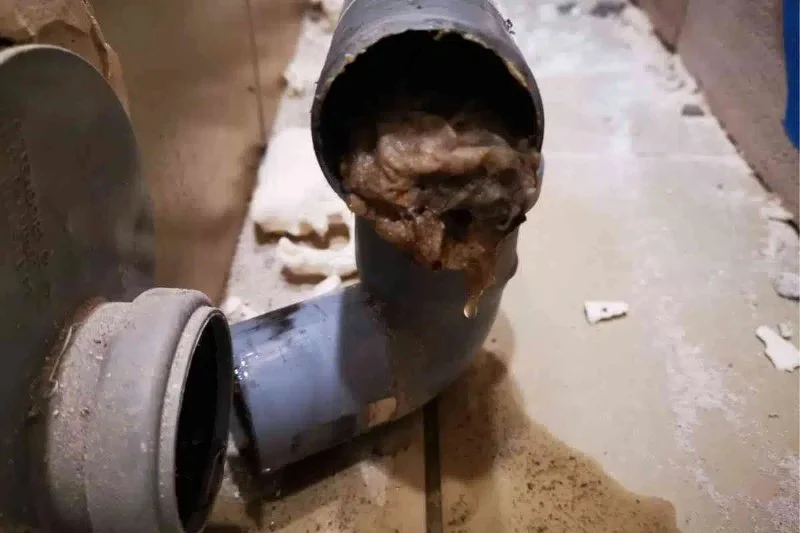
When your home’s plumbing system isn’t functioning properly, the problem may be located in the sewer line. Sewer lines are responsible for carrying wastewater away from your home and into the municipal sewer system or septic tank. Over time, however, these pipes can become clogged or damaged, leading to backups, slow drainage, and unpleasant odors.
Understanding the common causes of sewer line blockages and how to detect them early can help you avoid costly repairs. In this article, we will explore why your sewer line may be clogged, how to detect the issue, and the best methods to fix and prevent it.

2. Common Causes of Sewer Line Clogs
Sewer line clogs can occur for various reasons. Some are due to natural buildup over time, while others are the result of external factors. Understanding the common causes can help you identify the problem early:
- Tree Root Infiltration: One of the most common causes of clogged sewer lines is tree roots. As trees grow, their roots seek out moisture, which can lead them to penetrate cracks or weak points in the sewer line. Over time, roots can block the flow of wastewater, leading to severe clogs.
- Grease and Fat Buildup: Pouring grease, oils, or fats down the drain can cause them to accumulate in your sewer line, creating a sticky residue that traps food particles and other debris. This buildup can lead to slow drainage and eventually a full blockage.
- Foreign Objects: Flushing non-flushable items such as paper towels, sanitary products, or even toys can obstruct the flow of wastewater. These objects can cause immediate blockages or contribute to the gradual buildup of debris within the pipes.
- Aging Pipes: Older homes with aging pipes may experience sewer line clogs more frequently. Pipes made of clay, cast iron, or other older materials can crack or collapse over time, allowing debris to build up inside and restrict water flow.
- Collapsed or Broken Pipes: Physical damage to the sewer line, whether from ground shifting, construction, or tree root intrusion, can lead to collapsed or broken pipes. These structural issues prevent wastewater from flowing freely and often require extensive repairs or replacement of the damaged pipes.
3. How to Detect Sewer Line Clogs Early
Detecting sewer line issues early is essential to preventing major plumbing problems. Here are some signs that your sewer line may be clogged:
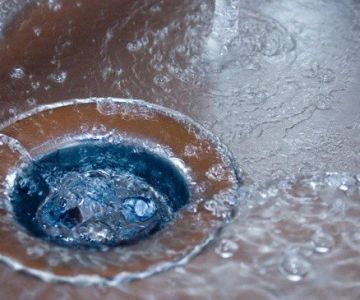
- Slow Drains: If multiple drains in your home are slowing down or backing up, it may indicate a clog in the sewer line. Typically, clogs begin in one area (like a bathroom or kitchen) and spread to other drains as the blockage worsens.
- Gurgling Noises: A gurgling sound from your drains or toilets is often a sign of a sewer line problem. This noise occurs when air is trapped behind the clog, and it is forced through the pipes as water attempts to flow past the obstruction.
- Foul Odors: An unpleasant smell coming from your drains or around the property can be a sign that waste is not being properly carried away by the sewer line. Sewer gas may escape due to a clog, creating an offensive odor.
- Water Backup: The most obvious sign of a severe clog is water backing up in your sinks, tubs, or toilets. This happens when the sewer line is completely blocked, preventing wastewater from flowing out of your home.
If you notice any of these signs, it’s crucial to act quickly to prevent further damage and costly repairs.
4. Fixing Sewer Line Blockages
Once you’ve identified a sewer line blockage, the next step is determining how to fix it. Depending on the severity of the clog and the location of the blockage, here are a few methods for fixing sewer line clogs:
- Hydro Jetting: Hydro jetting is a powerful and effective method for clearing sewer line blockages. This technique involves using high-pressure water to blast through clogs and clean the interior of the pipes, removing grease, debris, and tree roots.
- Snaking the Pipe: A plumbing snake or auger is often used to break through blockages in the sewer line. This tool can be pushed through the pipes to dislodge and remove the clog, allowing water to flow freely again.
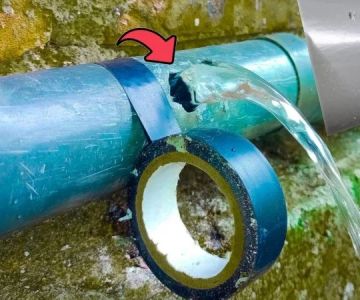
- Pipe Replacement: In cases where the sewer line is severely damaged, collapsed, or corroded, it may be necessary to replace a section or the entire line. Pipe replacement can be costly but may be necessary if other methods fail to resolve the issue.
- Trenchless Repair: For non-invasive repairs, trenchless technology allows plumbers to replace damaged sewer pipes without digging up your yard. This method is less disruptive and can save time and money on repairs.
It’s recommended to call a professional plumber to assess the situation and choose the best solution for fixing your sewer line blockage.
5. Preventing Sewer Line Clogs
Taking preventive measures can help avoid sewer line blockages in the future. Here are some helpful tips for maintaining your sewer lines and preventing clogs:
- Regular Maintenance: Schedule regular plumbing inspections to check for potential issues with your sewer line. Early detection can save you from dealing with major clogs and repairs later.
- Proper Disposal: Avoid flushing non-flushable items down the toilet or sink, such as paper towels, wipes, grease, or food scraps. Always dispose of waste properly to prevent blockages.
- Tree Root Prevention: If you have large trees near your sewer line, consider installing a root barrier or trimming tree roots regularly to prevent them from invading the pipes.
6. How to Maintain Your Plumbing System
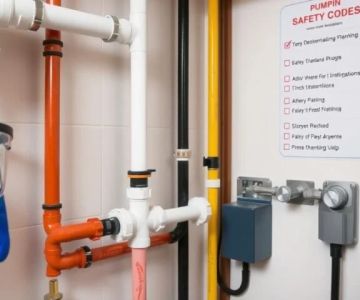
Maintaining your plumbing system is essential for preventing sewer line problems. Regular cleaning, inspections, and careful attention to your water usage can extend the life of your plumbing and keep things running smoothly.
7. Where to Find Plumbing Supplies
If you're tackling sewer line repairs or maintenance on your own, it’s important to use high-quality plumbing supplies. Plumbers Supply Hub offers a wide range of products, from pipe cleaning tools to replacement parts, helping you fix your plumbing issues efficiently. Visit Plumbers Supply Hub for all your plumbing needs, whether you’re handling a simple clog or a major sewer line repair.
 John's Sewer & Drain Cleaning, Inc.4.0 (332 reviews)
 J & T Plumbing Pros4.0 (39 reviews)
 Venturella and Sons Plumbing & Heating, LLC3.0 (9 reviews)
 Travco Plumbing4.0 (168 reviews)
 Allen Home Services4.0 (194 reviews)
 Rays Plumbing5.0 (5 reviews)
 How to Install a Water Meter for Irrigation
 How to Eliminate Odors Coming from Your Drains
 How to Safely Replace an Outdated Plumbing Fixture
 How to Install a Water Softener: DIY Plumbing Tips
 Why Your Kitchen Sink Is Clogged and How to Fix It
 How to Test for Bacteria in Household Water Supply