
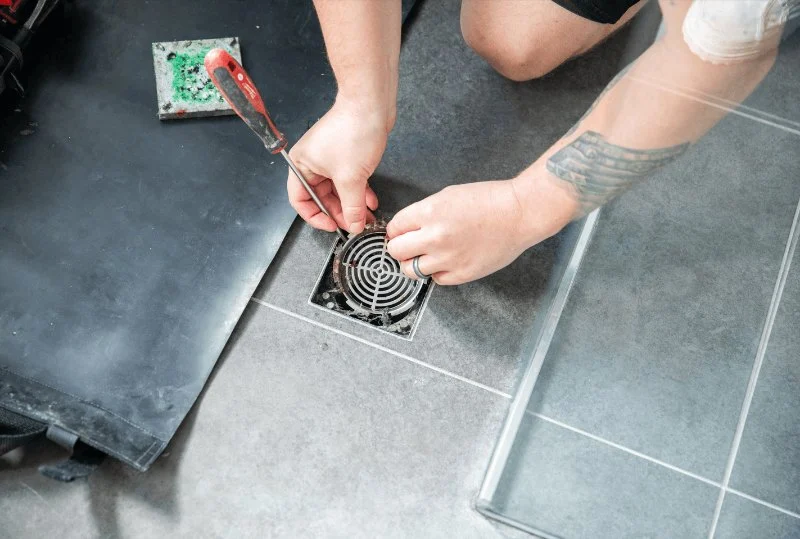
How to Eliminate Odors Coming from Your Drains
- Understanding Drain Odors
- Common Causes of Drain Smells
- Effective Solutions to Eliminate Odor
- Regular Drain Maintenance
- When to Call a Plumber
1. Understanding Drain Odors
Drains in your home are designed to carry wastewater away from your kitchen, bathroom, and other areas, but they can sometimes emit unpleasant odors. These smells can linger and create an uncomfortable environment in your living spaces.
Understanding why drains smell can help you identify the problem and take steps to eliminate it. Drain odors typically arise from food debris, soap scum, and waste buildup within the pipes, which can lead to bacterial growth. The most common offenders are kitchen sinks, bathroom drains, and shower drains.
Roark Plumbing, Inc.
St. Louis ParkHennepin CountyMinnesota
5775 Wayzata Blvd Suite 700, St Louis Park, MN 55416, USA
2. Common Causes of Drain Smells
There are several reasons why you may notice bad odors coming from your drains:
- Food scraps: Over time, food particles can build up inside your kitchen drain, especially if you don't use a sink strainer. These particles can decompose and produce foul smells.
- Grease buildup: Pouring grease down your kitchen sink can cause it to solidify and block the drain, trapping food scraps and leading to unpleasant smells.
- Clogged P-trap: The P-trap is designed to hold a small amount of water to prevent sewer gases from entering your home. If it becomes clogged or dries out, it can cause odors to seep back into your home.
- Standing water: When water doesn't drain properly due to blockages or poor drainage, it can stagnate and lead to mold and mildew growth, contributing to bad odors.
- Blocked vent pipes: Vent pipes are essential for allowing air into the drainage system. If these become blocked, it can create a vacuum effect, causing unpleasant odors to linger in your home.
3. Effective Solutions to Eliminate Odor
There are several ways to effectively eliminate odors from your drains without resorting to harsh chemicals. Here are some simple, natural methods to try:
- Baking soda and vinegar: One of the most effective and eco-friendly solutions for cleaning your drains is to pour a half cup of baking soda followed by a cup of vinegar down the drain. Let it sit for 30 minutes, then flush it with hot water. This combination works wonders to dissolve buildup and neutralize odors.
- Boiling water: Pouring boiling water down your drain is a simple and effective way to clear grease buildup and remove odors. Do this once a week to keep your pipes clean and fresh.
- Enzyme-based cleaners: These cleaners are gentle yet effective at breaking down organic matter, such as food scraps and grease, which can contribute to drain odors. They are a great option for regular drain maintenance.
- Hydrogen peroxide: Hydrogen peroxide is a powerful disinfectant that can kill bacteria and eliminate mold in your drains. Pour half a cup down the drain, let it sit for 15 minutes, then flush with warm water.
4. Regular Drain Maintenance
Maintaining your drains regularly is the best way to prevent odors from developing in the first place. Here are some helpful maintenance tips:
- Clean your drains regularly: Use a natural cleaner, such as baking soda and vinegar, at least once a month to prevent buildup and odors.
- Avoid pouring grease and oil down the drain: Always dispose of cooking oil and grease in the trash rather than down the sink. These can clog your pipes and cause unpleasant smells.
- Use a drain strainer: A simple drain strainer can catch food scraps, hair, and other debris before they go down the drain, preventing clogs and odor buildup.
- Check for leaks: Leaky pipes can contribute to foul odors by trapping moisture in hidden areas. Regularly inspect your plumbing and call a plumber if you suspect any leaks.
5. When to Call a Plumber
While many drain odors can be eliminated with DIY methods, some problems require professional assistance. Here are some signs that it may be time to call a plumber:
- Persistent odors: If you’ve tried cleaning your drains and the odors persist, it could indicate a deeper problem, such as a blocked vent pipe or sewer line issue.
- Slow draining water: If your drains are draining slowly or backing up, it could be a sign of a serious clog that requires professional equipment to clear.
- Mold or mildew growth: If you notice mold or mildew around your drains, it may indicate a moisture issue that needs to be addressed by a professional plumber.
In these cases, it's best to contact a licensed plumber to identify and resolve the underlying issue before it becomes a bigger problem.
For the best plumbing products, services, and advice on drain care, visit Plumbers Supply Hub to find everything you need to maintain a fresh, odor-free home.
 Undercutters Plumbing3.0 (10 reviews)
 HEP is on the way4.0 (490 reviews)
 J.I.G. Plumbing, Inc5.0 (669 reviews)
 Lanier's Plumbing & Repipe Specialists4.0 (14 reviews)
 Rooter Man4.0 (476 reviews)
 Team Rooter Plumbing4.0 (581 reviews)
 How to Repair a Crack in a Plastic Drain Pipe
 Why Your Water Bill Is High and How to Lower It with Plumbing Solutions
 How to Reroute a Plumbing Run Over a Crawlspace: A Step-by-Step Guide
 How to Install a New Toilet: A Complete Step-by-Step Guide
 How to Replace an In-Line Check Valve
 How to Eliminate Odors Coming from Your Drains