
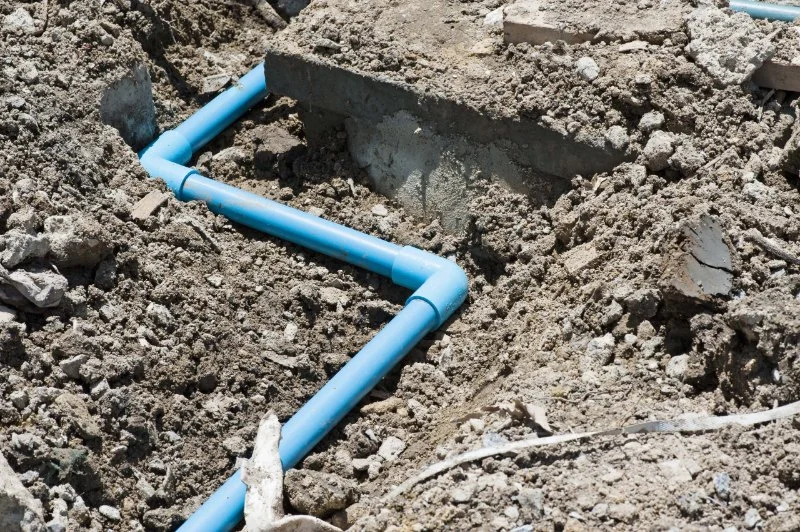
- 1. Understanding Sewer Line Backups
- 2. Common Causes of Sewer Line Backups
- 3. Preventive Measures to Avoid Backups
- 4. How to Maintain Your Sewer Line Effectively
- 5. Signs You May Have a Sewer Line Backup
- 6. What to Do if You Experience a Sewer Line Backup
- 7. Finding the Best Plumbing Services for Sewer Line Issues
1. Understanding Sewer Line Backups
Sewer line backups are one of the most common plumbing issues homeowners face. A backup occurs when wastewater cannot properly flow through the main sewer line due to blockages or other issues, causing it to reverse flow into your home’s drains. This can lead to unsanitary conditions, water damage, and expensive repair costs.
Understanding the causes and signs of sewer line backups is essential to prevent costly damage. Backups not only affect your home's plumbing but can also disrupt your daily routine, making it crucial to take preventive steps before an issue arises. Let’s dive deeper into the common causes and effective prevention measures to keep your sewer system working efficiently.

2. Common Causes of Sewer Line Backups
There are several reasons why sewer line backups happen. Understanding these causes will help you identify potential risks and take steps to prevent them. Below are the most common causes of sewer line backups:
- Clogs from Grease, Hair, and Debris: Over time, grease, hair, soap, and other debris can build up inside the pipes, causing a blockage. This is especially common in kitchen sinks and bathrooms, where grease and hair are often washed down the drain.
- Tree Root Infiltration: Tree roots can grow into your sewer lines, seeking moisture. The roots can crack or completely block the pipes, leading to backups.
- Old or Deteriorated Pipes: Older pipes, especially those made from clay or cast iron, are more susceptible to corrosion and collapse. If your plumbing system is outdated, it may be more prone to backups due to weakened pipes.
- Heavy Rain or Flooding: Excessive rainfall or flooding can overwhelm the sewer system, leading to backups. When the local drainage system cannot handle the volume of water, the excess can flow back into your home’s plumbing.
- Improper Disposal of Non-Flushable Items: Flushing items like paper towels, wipes, or hygiene products can lead to serious blockages in the sewer line.
3. Preventive Measures to Avoid Backups
Taking proactive steps to maintain your sewer system is the key to preventing backups. Below are several effective measures you can implement to protect your home from sewer line problems:
- Regular Drain Cleaning: Schedule regular professional drain cleaning to remove built-up debris, grease, and sludge from your pipes. This will prevent blockages and keep the water flowing smoothly.
- Install Drain Screens: Using drain screens or filters can prevent hair, food particles, and other debris from entering your sewer lines, which can help reduce the risk of clogs.
- Be Careful with What You Flush: Avoid flushing non-flushable items such as baby wipes, paper towels, and sanitary products. Always remind your family members of proper disposal practices to protect your pipes.
- Trim Trees Near Sewer Lines: If you have trees near your home’s sewer line, trim the roots regularly to prevent them from infiltrating and blocking the pipes. Consider planting trees away from the sewer line to avoid future problems.
- Install a Backflow Prevention Valve: Installing a backflow prevention valve will help prevent water from flowing back into your home in the event of heavy rain or flooding. This is especially important if your home is in a flood-prone area.
4. How to Maintain Your Sewer Line Effectively
Regular maintenance of your sewer line is crucial for preventing backups. Here are some effective maintenance tips:
- Schedule Professional Inspections: Have a licensed plumber inspect your sewer line regularly to identify any early signs of wear, corrosion, or potential blockages. This can save you from costly repairs later on.
- Use Enzyme Cleaners: Enzyme cleaners are eco-friendly and can help break down organic matter in your pipes. While they’re not a substitute for professional cleaning, they can help maintain healthy flow in your sewer lines.
- Check for Leaks: Small leaks can quickly lead to bigger problems. Make sure to check your plumbing system for leaks and have them repaired promptly to avoid further damage to your pipes.
5. Signs You May Have a Sewer Line Backup
Being aware of the signs of a sewer line backup is crucial for catching the issue early before it becomes a major problem. Here are some common signs that indicate you may have a sewer line backup:
- Slow Drains: If your drains are draining slowly, especially in multiple locations, it may indicate a blockage in the sewer line.
- Unpleasant Odors: Foul odors coming from your drains or toilets can indicate that waste is backing up in the pipes.
- Gurgling Noises: If you hear gurgling sounds coming from your drains, it could be a sign that air is trapped in your pipes due to a clog.
- Water Pooling in Your Yard: If you notice standing water in your yard, particularly near the sewer line, it could indicate a backup or leak in your sewer system.
6. What to Do if You Experience a Sewer Line Backup
If you experience a sewer line backup, it’s important to act quickly to prevent further damage. Here’s what you should do:
- Stop Using Water: As soon as you notice a backup, stop using water in your home to avoid adding more strain to the system. This includes refraining from flushing toilets, running faucets, or using appliances that use water.
- Call a Professional Plumber: It’s essential to contact a professional plumber to assess the situation. They can perform a thorough inspection and safely resolve the issue, preventing further damage to your plumbing system.
- Clean Up Quickly: If wastewater has backed up into your home, it’s crucial to clean it up immediately to prevent water damage and potential health risks. Wear protective gear and disinfect affected areas thoroughly.
7. Finding the Best Plumbing Services for Sewer Line Issues
For professional help with sewer line issues, it’s important to find a trusted plumbing service. Visit Plumbers Supply Hub to connect with reliable and experienced plumbers in your area. Whether you need sewer line inspections, cleaning, or repairs, we can help you find the best services to keep your plumbing system running smoothly and prevent future backups.
 Ozark Plumbing5.0 (62 reviews)
 Bolton Plumbing & Construction LLC5.0 (8 reviews)
 CleanRite Drain Cleaning5.0 (2 reviews)
 Armz Plumbing4.0 (80 reviews)
 Luisier Plumbing Inc4.0 (38 reviews)
 Detox Hydro Jet5.0 (24 reviews)
 How to Troubleshoot a Noisy Toilet: Common Causes and Solutions
 How to Test a Backwater Valve in Your Sewer Line: A Step-by-Step Guide
 The Essential Plumbing Emergency Kit Every Homeowner Needs: Key Tools for Fast Fixes
 How to Ensure Proper Venting in Your Drainage System
 How to Install a Water Meter for Irrigation
 How to Install a New Sink Faucet: DIY Guide for Homeowners