
- 1 - Introduction: Why Replacing a Worn Hose is Important
- 2 - Tools You’ll Need for the Job
- 3 - Step-by-Step Guide to Replacing a Dishwasher Hose
- 4 - Common Issues to Watch Out For
- 5 - Tips for Maintaining Your Dishwasher
1 - Introduction: Why Replacing a Worn Hose is Important
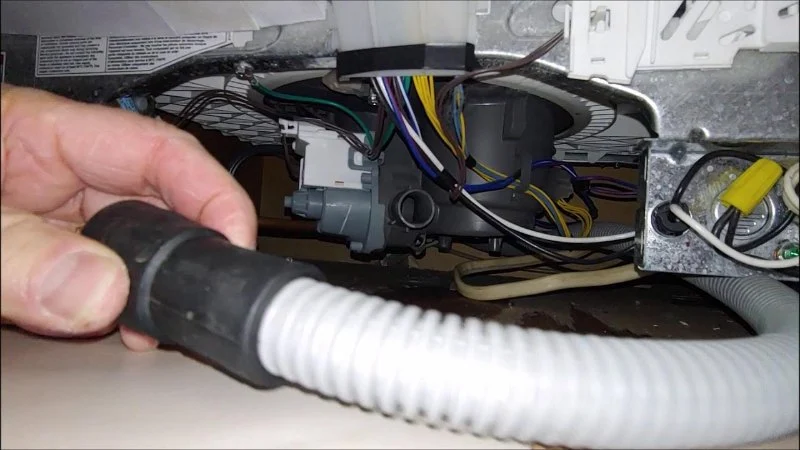
Your dishwasher works hard every day, but over time, wear and tear can lead to issues, especially with the hose that connects to the water supply. A worn or damaged hose can cause leaks, water damage, or even complete dishwasher failure. Replacing a worn dishwasher hose is a simple but essential maintenance task that can save you time, money, and hassle in the long run.

Ken Tyson Plumbing Inc - Lexington, KY
NicholasvilleJessamine CountyKentucky
228 Industry Pkwy, Nicholasville, KY 40356, USA
2 - Tools You’ll Need for the Job
Before you start replacing the hose, it’s important to gather the necessary tools. Here's a list of what you'll need:
- Adjustable wrench
- Screwdriver (if needed for your dishwasher model)
- Replacement hose (compatible with your dishwasher model)
- Bucket or towel to catch any water
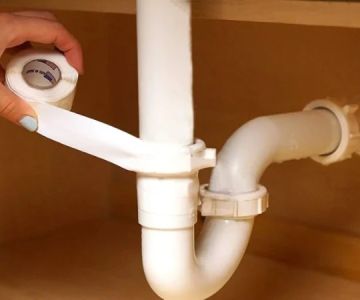
- Plumbers tape (optional, for sealing connections)
3 - Step-by-Step Guide to Replacing a Dishwasher Hose
Follow these simple steps to replace the worn hose on your dishwasher:
- Turn Off Water and Power: First, disconnect the dishwasher from the power source and turn off the water supply to avoid any accidents or leaks during the repair process.
- Access the Hose: Depending on your dishwasher model, you may need to remove the lower rack or the dishwasher’s front panel to gain access to the hose.
- Disconnect the Old Hose: Use the adjustable wrench to loosen the connection between the hose and the dishwasher. Be sure to catch any remaining water in the hose with a bucket or towel.
- Attach the New Hose: Attach the new hose to the dishwasher, ensuring the connection is tight and secure. You can use plumbers tape to ensure a leak-proof seal if necessary.
- Reattach and Test: Once the new hose is in place, reassemble the dishwasher. Turn on the water supply and the power, then run a short cycle to check for leaks and ensure everything is functioning properly.
4 - Common Issues to Watch Out For
When replacing the dishwasher hose, there are a few common issues that might arise:
- Leaks: If you notice water leaking after installation, check the connections again to ensure they are tight. Using too much plumbers tape can also lead to leaks, so be mindful of how much you apply.
- Incorrect Hose Size: Make sure the replacement hose is the correct size for your dishwasher model. An incorrect size can result in improper fit or leaks.
- Clogging: A hose that is clogged with debris can affect water flow. Always check for any blockages before replacing the hose to ensure it is clear and working efficiently.
5 - Tips for Maintaining Your Dishwasher
Once you've replaced the hose, it’s important to keep your dishwasher in good condition. Here are some maintenance tips to help keep it running smoothly:
- Regularly Clean the Filter: Clean the dishwasher filter regularly to prevent food debris from clogging the system and causing issues with water flow.
- Inspect Hoses Periodically: Check the hoses for signs of wear and tear every six months to prevent unexpected issues.
- Run Hot Water Cycles: Running a hot water cycle with a dishwasher cleaner can help remove grease and buildup, keeping the dishwasher fresh and running efficiently.
If you’re ever unsure or need further assistance, don’t hesitate to consult a professional plumber for help. For all your plumbing needs, visit Plumbers Supply Hub for reliable products and services.
 All Rooter Inc.4.0 (80 reviews)
 Fossler Plumbing5.0 (66 reviews)
 Orange Coast Plumbing4.0 (408 reviews)
 Bluegrass Plumbing4.0 (9 reviews)
 Mr Drain Saver Plumbing & Rooter.5.0 (56 reviews)
 TN Plumbing Solutions4.0 (554 reviews)
 How to Replace a Bathtub Spout with Diverter
 How to Install a New Sink Faucet: A Complete DIY Guide
 How to Repair a Junction That Is Leaking Under Slab
 How to Insulate Exposed Pipes Without Blocking Access
 How to Detect Hidden Damage After a Plumbing Leak
 How to Replace a Sink Overflow Tube: A Complete Step-by-Step Guide