
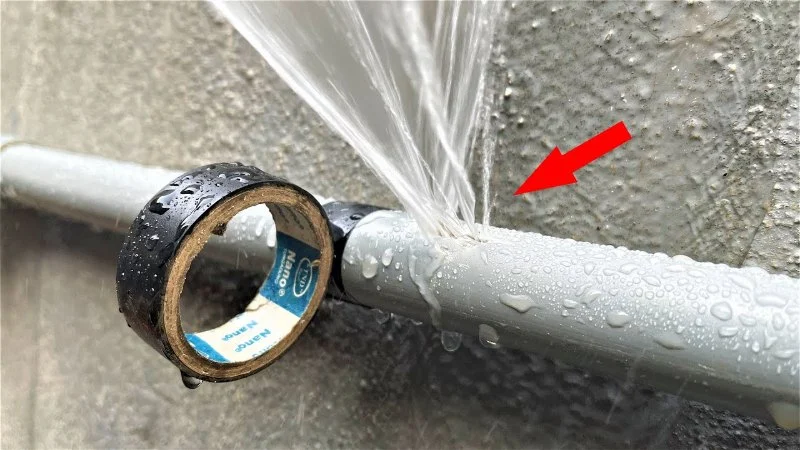
- 1. Introduction to Cracked Pipe Repair
- 2. Common Causes of Pipe Cracks
- 3. Methods to Repair a Cracked Pipe Without Replacing It
- 4. Tools and Materials You’ll Need
- 5. Tips for Effective Pipe Repair
1. Introduction to Cracked Pipe Repair
Dealing with a cracked pipe can be a daunting task for any homeowner. Not only can it cause water damage, but it can also be a hassle to repair. However, you don’t always need to replace a cracked pipe entirely. In this article, we’ll explore how to effectively repair a cracked pipe without the need for full replacement, saving you time and money.
Whether it’s a small crack or a larger fracture, there are various techniques you can use to fix the problem without calling a plumber. Let’s dive into some practical methods and tips to help you get your pipes back in working order.
AG Heating, Cooling & Plumbing
PittsburghAllegheny CountyPennsylvania
6564 Frankstown Ave, Pittsburgh, PA 15206, USA
2. Common Causes of Pipe Cracks
Before you can effectively repair a cracked pipe, it’s important to understand what might have caused the damage in the first place. Common causes of pipe cracks include:
- Age of the Pipe: Over time, pipes can become brittle and prone to cracking, especially in older homes with cast iron or galvanized steel plumbing.
- Freezing Temperatures: In colder climates, water inside pipes can freeze and expand, causing the pipe to crack or burst.
- Corrosion: Pipes that have been corroded by minerals or rust can weaken, making them more susceptible to cracks and leaks.
- Improper Installation: Poorly installed pipes or those that were not securely fastened can lead to movement, stress, and eventual cracking.
Identifying the cause of the crack is essential for choosing the right repair method and preventing future damage.
3. Methods to Repair a Cracked Pipe Without Replacing It
If you’re looking to repair a cracked pipe without replacing it entirely, there are several methods you can try. The best method will depend on the size and location of the crack. Below are a few popular options:
- Epoxy Resin: Epoxy is one of the most popular materials used to repair cracked pipes. It’s a quick and effective solution that can be applied directly to the crack. Once the epoxy hardens, it forms a strong bond that seals the crack and prevents leaks.
- Pipe Clamps: For larger cracks, a pipe clamp or repair sleeve can be used. This method involves wrapping a rubber gasket around the damaged area and securing it with a metal clamp. This can temporarily seal the crack until a more permanent solution is available.
- Rubber and Hose Clamps: If you need a temporary fix, wrapping the crack with a piece of rubber and securing it with hose clamps can stop the leak. This method is best for small cracks and should be replaced with a more permanent repair as soon as possible.
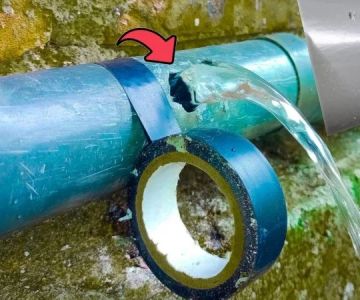
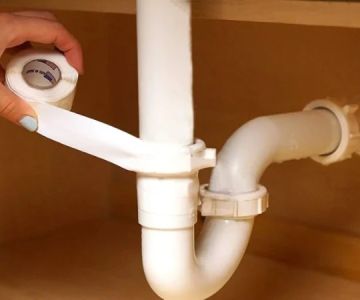
- Plumbing Tape: Plumbing tape, also known as pipe thread sealant tape or Teflon tape, can be wrapped around a cracked pipe to temporarily stop water from leaking out. This is not a long-term solution but can be a quick fix until a more effective repair is made.
4. Tools and Materials You’ll Need
To successfully repair a cracked pipe, having the right tools and materials is crucial. Here's what you'll need:
- Epoxy resin or pipe repair kit
- Pipe clamps or repair sleeves
- Rubber sheet (if using rubber and hose clamp method)
- Hose clamps (if using rubber patch)
- Plumbing tape (optional)
- Pipe wrench or adjustable wrench (to remove any parts around the crack)
Having these tools on hand will allow you to execute the repair quickly and efficiently, avoiding the need for a full replacement.
5. Tips for Effective Pipe Repair
While repairing a cracked pipe is relatively straightforward, a few tips can help ensure that the repair is long-lasting:
- Turn off the Water: Always turn off the water supply before starting any repairs to avoid flooding or further damage.
- Dry the Area: Make sure the area around the crack is dry before applying any epoxy or sealant. Moisture can interfere with the bonding process.
- Use High-Quality Products: Whether you're using epoxy, a pipe clamp, or plumbing tape, make sure you choose high-quality materials designed for the type of pipe you're repairing.
- Inspect for Other Damages: Check the surrounding pipes for other signs of damage or wear. It's better to fix everything at once than deal with additional leaks later.
If the crack is extensive or you’re not confident in your repair skills, it's always a good idea to call a professional plumber. However, for smaller cracks, these methods should provide a reliable and cost-effective solution.
For more tips on pipe maintenance and to find quality plumbing supplies, visit Plumbers Supply Hub for all your needs.
 Jim's Rodding4.0 (30 reviews)
 Plumberland Plumber Wilmington4.0 (26 reviews)
 Fathom Plumbing Solutions5.0 (22 reviews)
 Roto-Rooter Plumbing & Water Cleanup4.0 (8075 reviews)
 ONYX PLUMBING & GAS5.0 (103 reviews)
 Elite Plumbing & Drains LLC5.0 (258 reviews)
 How to Replace an Adjustable Shower Slide Bar | Plumbers Supply Hub
 How to Prevent Settling Damage to Plumbing Joints: Tips and Solutions
 How to Protect Pipes from Freezing in Cold Climates
 How to Replace a Plastic Pipe Fitting That Fails
 How to Prevent Toilet Clogs: Simple Tips Every Homeowner Should Know
 How to Replace a Dual-Flush Toilet Mechanism: A Complete Guide