
- Signs It's Time to Replace Your Garbage Disposal
- Common Causes for Garbage Disposal Failures
- Repair vs. Replacement: Cost Considerations
- How to Choose the Right Replacement Garbage Disposal
- Maintaining Your New Garbage Disposal
Signs It's Time to Replace Your Garbage Disposal
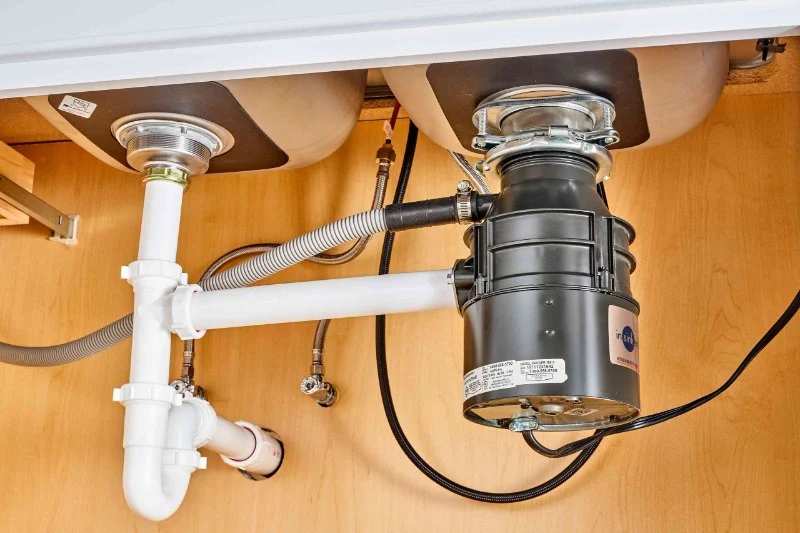
A garbage disposal is an essential part of any modern kitchen, helping you quickly and efficiently dispose of food waste. However, like all appliances, garbage disposals can wear out over time. When this happens, you may be faced with a decision: Should you repair the disposal, or is it time to replace it entirely? Here are some key signs that it might be time to replace your garbage disposal:

Don's Plumbing & Appliance Showroom
1003 E Clifton St, Tomah, WI 54660, USA
1. Persistent Clogs and Jams
If your garbage disposal frequently jams or clogs, despite regular maintenance and careful usage, it may be time for a replacement. While occasional clogs are normal, ongoing issues with clearing blockages could indicate that the motor or other internal components are damaged beyond repair.
2. Unpleasant Odors That Won’t Go Away
A persistent bad smell from your garbage disposal, even after cleaning, may signal that there’s significant degradation inside the unit. While some odors are normal, especially after heavy use, lingering or foul odors that don’t clear with regular cleaning could be a sign that the disposal is no longer functioning properly.
3. Strange Noises
Unusual noises, such as grinding, rattling, or humming, can be a sign that something is wrong with your garbage disposal. While some noises may be resolved with a simple repair, loud or consistent grinding could indicate that the motor or blades are damaged and it’s time for a replacement.
4. Leaks and Water Damage
Leaks around your garbage disposal, especially if they occur near the base or under the sink, are another indication that your unit is failing. If you’ve attempted to fix the leak without success, or if water continues to seep from the disposal, replacing it might be your best option to avoid further water damage to your kitchen.
Common Causes for Garbage Disposal Failures
Understanding the common causes of garbage disposal failures can help you better assess whether a repair or replacement is needed. Some typical issues include:
1. Age and Wear
The average lifespan of a garbage disposal is around 10 to 15 years. As your unit ages, parts begin to wear down, reducing its efficiency. If your disposal is over a decade old and has experienced multiple issues, replacing it may be more cost-effective than continually repairing it.
2. Overuse or Improper Use
Excessive use or improper disposal of materials (like large bones, grease, or fibrous vegetables) can lead to damage over time. These materials can cause blockages, damage the motor, or wear down the grinding components, ultimately leading to failure.
3. Mechanical Failure
Mechanical failure, including motor burnout, faulty blades, or broken bearings, is a common reason for garbage disposal failure. While some minor mechanical issues can be fixed with repairs, larger problems often require a full replacement.
Repair vs. Replacement: Cost Considerations
Deciding whether to repair or replace a garbage disposal depends largely on the costs involved. Let’s take a closer look at both options:
1. Cost of Repairing a Garbage Disposal
The cost to repair a garbage disposal typically ranges from $100 to $300, depending on the type of repair needed. If the problem is minor, such as a blockage or an easily fixable part, a repair can be a cost-effective solution. However, if the motor or internal components are damaged, the repair costs may increase significantly, potentially reaching half or more of the cost of a new unit.
2. Cost of Replacing a Garbage Disposal
Replacing a garbage disposal generally costs between $200 and $600, depending on the quality and features of the new unit. Higher-end models with advanced features like noise reduction and better grinding capabilities may cost more. While the upfront cost is higher than repairing, replacing an old or inefficient disposal can save you money in the long run by reducing maintenance costs and improving efficiency.
3. Long-Term Cost Considerations
Although repairing your garbage disposal may seem like the cheaper option initially, it’s important to consider the long-term costs. Frequent repairs can add up over time, and an old disposal may continue to encounter problems, making it more economical to replace it rather than invest in ongoing repairs.
How to Choose the Right Replacement Garbage Disposal
If you’ve decided to replace your garbage disposal, choosing the right model is crucial. Here are some factors to consider when making your decision:
1. Size and Power
Consider the size and power of the unit based on the amount of use it will receive. Standard models typically range from 1/3 HP to 1 HP. If you have a larger household or frequently prepare large meals, a higher-powered unit (like 3/4 HP or 1 HP) may be more suitable.
2. Noise Level
Some models are designed to be quieter than others. If noise is a concern, look for disposals with noise-reducing features, such as insulation or anti-vibration mounts. A quieter unit will improve the overall experience, especially if you use the disposal often.
3. Durability and Features
Look for disposals with high-quality materials, like stainless steel grinding components, which are more durable and resistant to corrosion. Additionally, some units come with extra features like jam-resistant technology, which can prevent clogs and extend the lifespan of the unit.
Maintaining Your New Garbage Disposal
Once you’ve replaced your garbage disposal, regular maintenance is essential to keep it running smoothly. Here are some tips:
1. Run Cold Water During Use
Always run cold water while using your garbage disposal. Cold water helps solidify any grease or oils, preventing them from clogging the pipes and making it easier to grind food waste.
2. Regular Cleaning
Clean your garbage disposal regularly by grinding citrus peels or ice cubes to remove odors and sharpen the blades. You can also use a disposal cleaner to eliminate any lingering grime.
3. Avoid Certain Materials
Avoid putting large bones, fibrous vegetables, or grease down your garbage disposal, as these can cause blockages and damage the motor over time.
For more expert advice on garbage disposals and to find the best replacement models, visit [Plumbers Supply Hub] for a wide selection of products and professional recommendations.

 Andersen Plumbing Services5.0 (49 reviews)
 West Michigan Plumbing5.0 (16 reviews)
 Strand plumbing5.0 (2 reviews)
 Newhart's Plumbing LLC3.0 (7 reviews)
 Mark Cantrell Plumbing LLC4.0 (69 reviews)
 Red's Sewer Service, Inc.4.0 (79 reviews)
 How to Clean Residue and Scale from Faucets and Showerheads
 How to Prevent Frozen Pipes During the Winter
 How to Replace a Broken Pipe in a Slab Foundation: Step-by-Step Guide
 How to Handle Plumbing in Mobile Homes: Essential Tips and Solutions
 Why Your Water Heater Is Leaking and How to Fix It
 How to Prevent Settling Damage to Plumbing Joints