
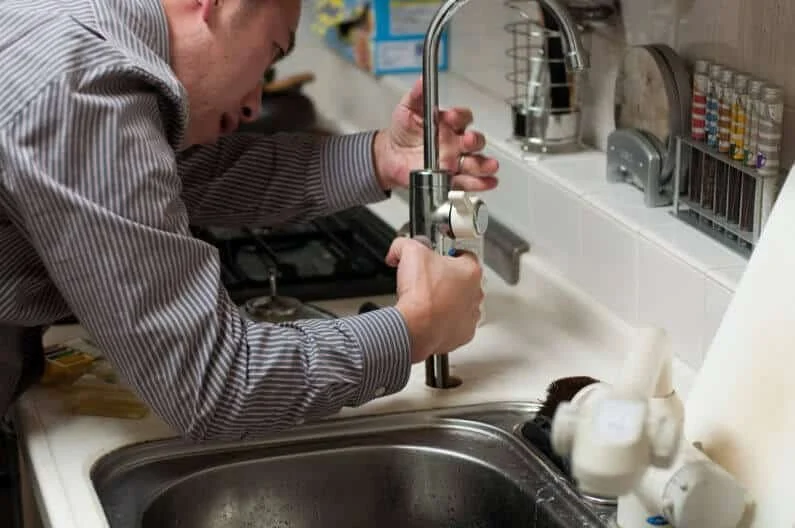
1. Introduction: Understanding the Problem of Squirting Water from a Sink
If your sink starts squirting water every time it's turned on, it's not only frustrating but also a sign of a plumbing issue that needs fixing. This type of problem typically occurs due to issues with the faucet, hose connections, or even the water pressure. In this guide, we’ll walk you through the steps to diagnose and fix the issue yourself.
2. Common Causes of Water Squirting from the Sink
Before diving into repairs, it's important to understand why water might be squirting from your sink. Here are the most common causes:
- Damaged Faucet Aerator: The aerator is the small screen at the tip of the faucet. If it's clogged or damaged, it can cause water to squirt out erratically.
- Loose or Broken Water Supply Lines: Loose connections or damaged hoses can cause water to spray from the faucet or underneath the sink.
- High Water Pressure: Too much pressure can force water out of the faucet in an uncontrolled manner, leading to squirting.
- Faulty Diverter Valve (for faucets with sprayers): If you have a faucet with an attached sprayer, a broken or malfunctioning diverter valve can cause water to squirt unexpectedly.
3. How to Fix a Sink That Squirts Water
Now that you know the common causes, let’s go through the steps to fix the problem. These are simple fixes you can do on your own, with just a few tools.
Step 1: Turn Off the Water Supply
Before attempting any repairs, make sure to turn off the water supply to the sink. You can find the shut-off valves under the sink or near the water meter. Turning off the water prevents any accidental flooding or water wastage during repairs.
Step 2: Inspect the Faucet Aerator
The aerator could be clogged or damaged. To check, unscrew the aerator from the faucet using pliers or your hand. Once removed, clean any debris and mineral deposits that might be obstructing water flow. If it's damaged, you can replace it with a new aerator. Reattach it to the faucet and check if the squirting has stopped.
Step 3: Check for Leaks in the Supply Lines
If the aerator is not the issue, inspect the water supply lines. Look for any loose or damaged hoses under the sink. Tighten any loose connections, and replace any cracked or frayed hoses. If you find significant damage to the hoses, it's best to replace them to prevent future leaks.
Step 4: Adjust Water Pressure
If your sink squirts water due to high water pressure, you may need to adjust the pressure regulator. You can find the pressure regulator near the water meter or in the pipe leading to the sink. If you’re unsure how to do this, consult a plumber to help you adjust the pressure to safe levels.
Step 5: Inspect the Diverter Valve
If your faucet has a sprayer, the diverter valve might be broken. The diverter is responsible for switching the water flow between the faucet and the sprayer. If it’s malfunctioning, it could cause water to squirt from the faucet when it’s not supposed to. To fix this, you may need to replace the diverter valve, which can often be done with a few basic tools.
4. Preventive Tips for Maintaining Your Sink
Once you’ve fixed the squirting issue, it’s important to maintain your sink to prevent future problems. Here are a few preventive tips:
- Regularly Clean the Faucet Aerator: Clean the aerator every few months to prevent mineral buildup and clogging.
- Check Water Pressure Regularly: Keep an eye on your water pressure to ensure it remains at safe levels for your pipes and fixtures.
- Inspect Hoses and Supply Lines: Periodically check the condition of your hoses and supply lines to ensure they are intact and not showing signs of wear.
5. When to Call a Plumber
While many sink issues can be fixed with DIY methods, some problems may require professional help. If you’ve tried all of the above steps and the water continues to squirt or you find major damage to your plumbing, it’s time to call a plumber. A professional plumber can quickly identify the root cause and fix it to prevent further damage to your sink and plumbing system.
6. Conclusion
Dealing with a sink that squirts water can be annoying, but it’s a problem that can often be resolved with a little effort and the right tools. By inspecting the faucet aerator, checking the water supply lines, adjusting the water pressure, and replacing faulty parts, you can stop the squirting and enjoy a functional sink once again. If you’re not comfortable making the repairs yourself, don’t hesitate to call a professional plumber for help. For more plumbing solutions and expert tips, visit Plumbers Supply Hub!
 Franzen Plumbing, Inc4.0 (534 reviews)
 Roto-Rooter Plumbing & Water Cleanup5.0 (368 reviews)
 Soo Hipp Plumbing and Drains4.0 (117 reviews)
 Emergency No More 24hr. Septic, Drain & More5.0 (2 reviews)
 Quality Plumbing, Heating, Cooling & Electrical4.0 (169 reviews)
 AMG Plumbing5.0 (69 reviews)
 How to Safely Drain a Water Heater Before Moving
 How to Replace a Worn Hose on a Dishwasher
 How to Recognize the Early Signs of Plumbing Problems Before They Become Expensive
 How to Replace a Leaky Shower Valve Step by Step: Easy Guide for Homeowners
 How to Replace a Dual-Flush Toilet Mechanism: A Complete Guide
 How to Test Backflow Preventers Annually: Essential Maintenance for Safe Water Supply