
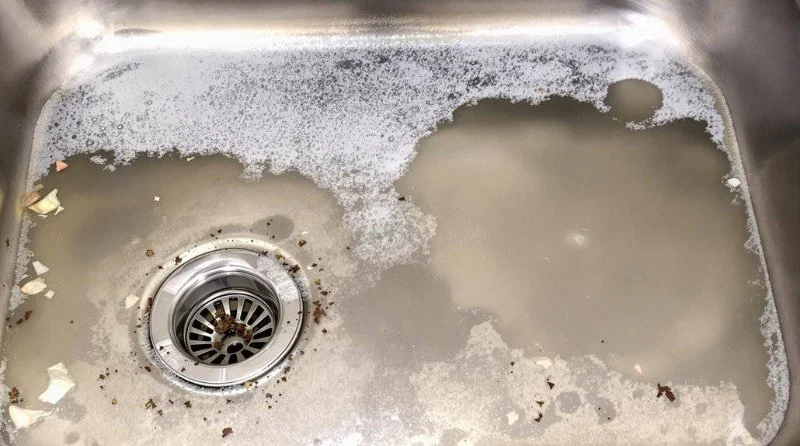
1. Why Does My Kitchen Sink Get Clogged?
Kitchen sink clogs are a common household problem, often caused by a buildup of grease, food particles, soap scum, and other debris. Over time, these materials accumulate and create blockages in the pipes, preventing water from draining properly. Understanding the causes of sink clogs can help you take preventive measures to avoid recurring issues.
1.1 Food Particles and Debris
One of the most common causes of kitchen sink clogs is food debris. Scraping plates or washing pots and pans without proper disposal of food scraps can lead to blockages. These small particles combine with grease and other substances in the pipes, gradually creating a thicker clog that can block the flow of water.

1.2 Grease and Oil Buildup
When cooking, oil, grease, and fats can easily go down the sink drain. While it may seem like a small amount, grease sticks to the inside of pipes and hardens over time. This buildup can form a thick sludge that traps food particles, leading to a serious clog that may require professional intervention.
1.3 Soap Scum
Soap scum is a byproduct of the soap reacting with minerals in the water. This substance can accumulate inside the drainpipes and cause blockages, especially if combined with other materials like grease. Over time, soap scum can narrow the pipes, restricting the flow of water and eventually leading to a clogged sink.
2. How to Fix a Clogged Kitchen Sink
If your kitchen sink is clogged, don’t worry—there are several ways to fix it. From simple DIY methods to professional solutions, you can unclog your sink without much hassle.
2.1 Using a Plunger
A plunger is one of the most effective tools for fixing a clogged sink. To use it, fill the sink with enough water to cover the plunger’s cup. Position the plunger over the drain and use strong, consistent pressure to push and pull the plunger. This action creates a vacuum that can dislodge the clog. Repeat the process until the water drains freely.
2.2 Baking Soda and Vinegar
For a more natural, chemical-free solution, try using baking soda and vinegar. First, pour about a cup of baking soda down the drain, followed by a cup of vinegar. Let the mixture sit for 10-15 minutes to allow the reaction to break down grease and other debris. Afterward, flush the drain with hot water. This method can help clear minor clogs and maintain your drainpipes.
2.3 Using a Plumbing Snake
If the clog persists after using a plunger or baking soda, a plumbing snake can help reach deeper blockages in the pipes. Insert the snake into the drain and rotate it to break up the clog. Once the obstruction is cleared, run hot water through the pipes to ensure proper drainage.
3. Preventing Future Clogs
Preventing clogs in your kitchen sink requires regular maintenance and mindful habits. By following a few simple tips, you can keep your sink and plumbing in good condition and avoid frequent blockages.
3.1 Avoid Putting Grease Down the Drain
One of the best ways to prevent clogs is to avoid pouring grease, oil, or fat down the drain. Instead, dispose of it in a container and throw it in the trash. This simple step can save you from dealing with greasy clogs in the future.
3.2 Regularly Clean Your Drains
Regularly cleaning your drains can prevent debris buildup. Consider using a mixture of baking soda and vinegar once a month to keep your pipes clean and free-flowing. Additionally, you can use a drain strainer to catch food particles and prevent them from entering the pipes.
3.3 Check for Leaks and Damage
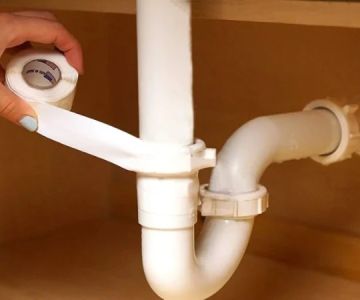
Check your sink’s plumbing regularly for any leaks or signs of damage. Early detection of issues can prevent larger problems down the line, such as pipe corrosion or extensive clogs. If you notice anything unusual, it’s best to call a plumber to fix the problem before it worsens.
4. When to Call a Plumber
While many clogs can be resolved with DIY methods, there are times when calling a professional plumber is necessary. If the clog is deep within the pipes or if you’re unable to fix it despite your best efforts, a plumber can use advanced tools and techniques to clear the obstruction. Additionally, if you notice recurring clogs, it may indicate an underlying plumbing issue that requires professional attention.
5. Case Study: How a Plumber Solved a Serious Sink Problem
A family in a suburban neighborhood faced a persistent kitchen sink clog that no DIY methods seemed to fix. After trying a plunger, baking soda, and even a plumbing snake, the clog still remained. The plumber discovered a buildup of grease and food debris deep inside the pipes, which required the use of a hydro-jetting system to clear. The professional solution restored the sink’s drainage and prevented further blockages.
6. Conclusion
A clogged kitchen sink is a frustrating problem, but with the right tools and techniques, it’s often possible to fix it yourself. Regular maintenance and mindful habits can help prevent clogs from occurring in the future. If you ever need professional help, don’t hesitate to reach out to experts at Plumbers Supply Hub for the best tools and services to keep your plumbing running smoothly.



 Victor's Plumbing & Water Heater Repair5.0 (1 reviews)
 Reliable Clog-Rod-Drain Specialists4.0 (64 reviews)
 Angry Dave's Plumbing4.0 (51 reviews)
 HRI Plumbing4.0 (13 reviews)
 Crystal Clear Plumbing5.0 (316 reviews)
 Ramco Plumbing Heating & Air5.0 (250 reviews)
 How to Repair a Broken Overflow Pipe in Tub - Step-by-Step Guide
 How to Replace a Bathtub Spout with Diverter: Step-by-Step Guide
 Why Your Pipes Rattle at Night and What to Fix
 How to Fix a Dripping Faucet Without Calling a Plumber | Plumbers Supply Hub
 How to Safely Drain a Water Heater Before Moving
 How to Replace a Kitchen Sink Sprayer Hose: Step-by-Step Guide