
Plumbing Safety Tips for Homeowners Tackling DIY Projects
- Understanding Plumbing Safety
- Gathering the Right Tools
- Common Plumbing Dangers to Watch Out For
- Essential Plumbing Safety Tips for DIY Projects
- When to Call a Professional Plumber
Understanding Plumbing Safety
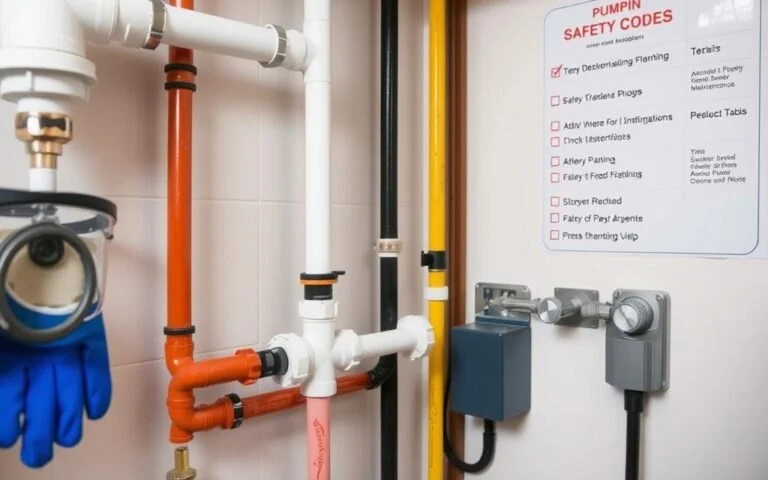
When it comes to DIY home repairs, plumbing is one of the most challenging and potentially dangerous areas. It’s easy to overlook safety while trying to fix a leaky pipe or install a new faucet, but improper handling of plumbing tasks can result in costly damage or injury. That’s why understanding plumbing safety is essential for homeowners taking on DIY projects. By following the right precautions, you can prevent accidents, protect your property, and ensure your plumbing works effectively.
Make It Drain Plumbing
Los AngelesLos Angeles CountyCalifornia
6402 Blewett Ave, Van Nuys, CA 91406, USA
Gathering the Right Tools
Before starting any plumbing project, make sure you have all the necessary tools. Using the right equipment ensures your safety and the success of the project. Here are some essential tools you’ll need for common plumbing tasks:
1. Pipe Wrench
A pipe wrench is crucial for loosening and tightening plumbing pipes. Make sure to choose the right size for your pipes to prevent damage.
2. Plunger
A plunger is a must-have for clearing clogs in sinks, toilets, and tubs. Be sure to use a high-quality plunger that can create enough suction to clear most blockages.
3. Teflon Tape
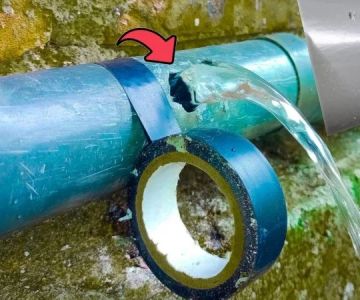
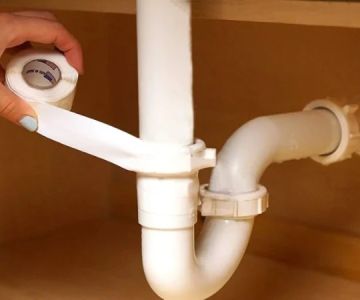
Teflon tape, or plumber’s tape, is essential for sealing pipe threads and preventing leaks. Always wrap it in the right direction and avoid over-tightening the joints.
4. Adjustable Wrench
This versatile tool is essential for gripping and turning various types of plumbing nuts and bolts.
Having these tools on hand will make your plumbing projects more manageable and help you complete tasks with confidence.
Common Plumbing Dangers to Watch Out For
While tackling plumbing tasks can be rewarding, it’s important to be aware of potential hazards. Here are some common plumbing dangers that homeowners may face during DIY projects:
1. Water Damage
One of the biggest risks of plumbing work is water damage. A simple mistake, like forgetting to turn off the water supply, can lead to leaks that cause significant damage to your walls, floors, and furniture.
2. Gas Leaks
If you’re working with appliances connected to gas lines, there is a risk of gas leaks. A leaking gas line can cause explosions, fire hazards, or harmful fumes. Never attempt to repair gas lines unless you’re trained and certified.
3. Electrical Hazards
If plumbing tasks involve electrical components, such as water heaters or garbage disposals, you need to be extra cautious. Always turn off the power supply before working near electrical appliances to avoid electrical shocks or accidents.
Essential Plumbing Safety Tips for DIY Projects
When working on plumbing projects around your home, these plumbing safety tips can help you avoid accidents and ensure the task is completed successfully:
1. Turn Off the Water Supply
Before beginning any plumbing work, always make sure to turn off the water supply. This will prevent flooding and water damage during your project. Locate the main water shut-off valve and ensure it’s turned off properly.
2. Wear Protective Gear
Safety gear is a must when handling plumbing tasks. Wear gloves to protect your hands from dirt, sharp tools, and bacteria. Safety goggles are also essential if you’re working with pipes that could burst or create debris. Additionally, wear knee pads if you need to work on the floor or under sinks.
3. Use the Right Sealants
Using the wrong type of sealant or tape can lead to leaks. For example, avoid using duct tape for plumbing. Use plumber’s tape or pipe dope, which is designed to form tight seals without causing damage.
4. Double-Check Connections
Before turning the water back on, double-check all connections and joints. Make sure everything is tightly secured to avoid leaks. It’s better to check twice than to deal with a leak later.
5. Don’t Over-Tighten Fittings
Over-tightening fittings can cause them to crack or become damaged. Tighten fittings by hand, then use a wrench for a final, firm twist. Avoid using excessive force.
When to Call a Professional Plumber
While DIY plumbing projects can be rewarding, some issues are best left to professionals. If you encounter any of the following situations, it’s time to call in an experienced plumber:
1. Complex Pipe Repair
If you need to repair or replace large sections of pipe, it’s often safer and more cost-effective to hire a professional plumber. They have the experience and tools to handle more complicated tasks.
2. Gas Line Issues
If you’re dealing with gas lines, always call a professional. Gas leaks are dangerous and require special training to fix safely. Don’t take risks with your safety.
3. Extensive Water Damage
If your plumbing project has caused water damage to walls or floors, it’s best to consult a plumber who can address the issue and help prevent mold or structural damage.
By following these safety tips and knowing when to call a professional, you can tackle your DIY plumbing projects with confidence and avoid costly mistakes. If you’re looking for plumbing tools and supplies, visit Plumbers Supply Hub for quality products and expert recommendations to help you complete your plumbing tasks safely and successfully.
 Roto-Rooter Plumbing & Water Cleanup4.0 (1076 reviews)
 Hard Knox Plumbing5.0 (272 reviews)
 South Haven Sewer Works2.0 (3 reviews)
 Proper Plumbing5.0 (80 reviews)
 Pro Sewer Svc4.0 (32 reviews)
 Jacob & Sons Plumbers4.0 (40 reviews)
 How to Fix a Leaky Sink Drain: A Step-by-Step Plumbing Guide
 How to Replace a Toilet Flush Lever: Easy Step-by-Step Guide
 What Causes High Water Bills and How to Fix It
 How to Insulate Exposed Pipes Without Blocking Access
 How to Prevent and Fix Toilet Clogs | Expert Solutions
 How to Fix a Sink That Rattles When Water Runs: Troubleshooting Guide