
- 1. Common Causes of High Water Bills
- 2. Water Leaks and Hidden Issues
- 3. Inefficient Appliances and Fixtures
- 4. Poor Water Management Habits
- 5. How to Reduce Your Water Bills
- 6. Why Choose Plumbers Supply Hub for Your Plumbing Needs
1. Common Causes of High Water Bills
High water bills can be a shock, especially when you’re unsure of the cause. Understanding the most common culprits behind high water usage is the first step in reducing your water costs. Whether it’s due to water leaks, inefficient appliances, or everyday habits, identifying the source of the problem is key to fixing it.
In this article, we’ll break down the most frequent causes of high water bills and provide actionable steps you can take to fix the issue and save money in the long run.
2. Water Leaks and Hidden Issues
2.1 Hidden Water Leaks
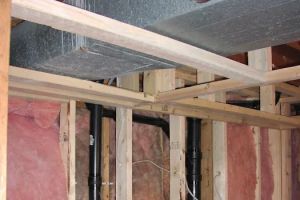
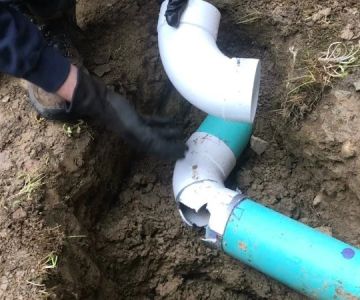
One of the most common causes of unexpectedly high water bills is hidden leaks. Leaks can occur in pipes, faucets, toilets, or even in underground plumbing. These leaks are often undetected because they’re hidden from plain sight, but they can waste a significant amount of water over time.
If you have a sudden spike in your water bill without any obvious explanation, check for hidden leaks. Common signs include wet spots on walls or floors, the sound of running water when no taps are on, or a drop in water pressure. You can also conduct a simple water meter test by turning off all water appliances and checking if the meter continues to run. If it does, there’s likely a leak somewhere.
2.2 Addressing Leaks Early
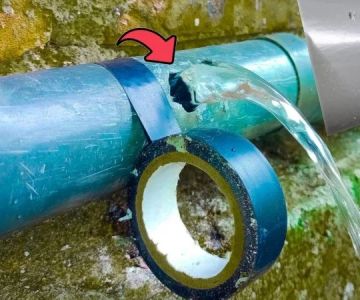
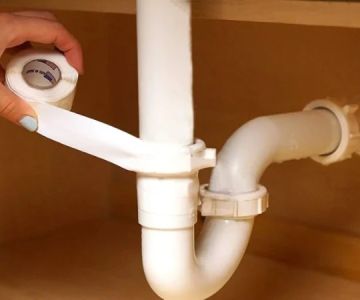
If you detect a water leak, it’s important to address it immediately. Small leaks can quickly turn into larger issues, causing extensive water damage and significantly higher bills. Depending on the severity of the leak, it may require professional plumbing services to repair. Regular maintenance and prompt repairs are key to preventing water waste and high bills.
3. Inefficient Appliances and Fixtures
3.1 Outdated Toilets and Faucets
Older appliances and fixtures, like toilets and faucets, are often less water-efficient and can contribute to high water bills. For example, older toilets use much more water per flush than modern, low-flow models. The same goes for faucets, especially those that don’t have aerators, which can help reduce water flow without sacrificing pressure.
Upgrading to water-efficient models can significantly reduce water usage and lower your bills. Many local governments and utility companies offer rebates or incentives for upgrading to more efficient appliances, making this a cost-effective solution in the long run.
3.2 Inefficient Water Heaters
Water heaters that are not properly maintained or are inefficient can also increase your water bills. If your water heater is old or not functioning properly, it may be using more energy (and water) than necessary. Regular maintenance, such as flushing the tank and checking for leaks, can help keep your water heater running efficiently.
4. Poor Water Management Habits
4.1 Overuse of Water
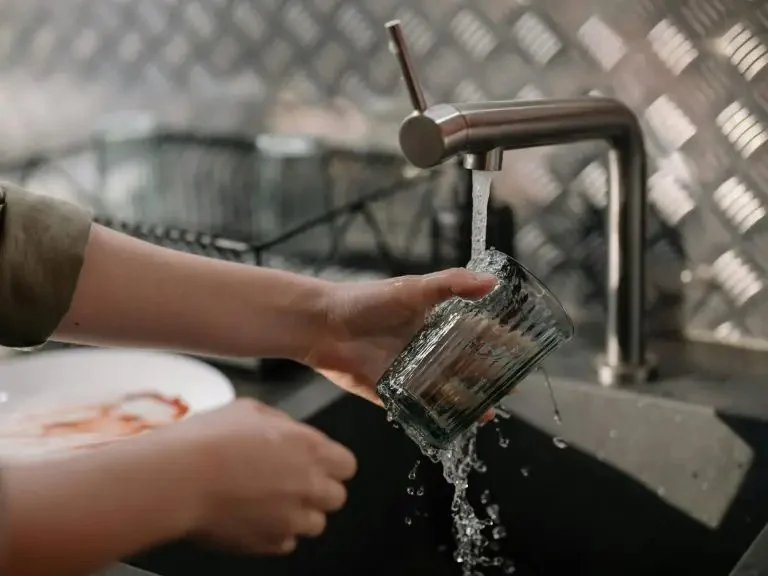
Sometimes the cause of high water bills is simple overuse. This can happen with long showers, constant running faucets, or filling up the tub too often. Teaching your family members to be mindful of their water usage can make a big difference. Even small adjustments, like turning off the faucet while brushing teeth or shortening shower times, can add up to big savings.
4.2 Using Water-Guzzling Appliances
Using washing machines, dishwashers, and other water-using appliances inefficiently can also lead to higher bills. For example, running a half-full dishwasher or washing machine wastes a lot of water. Try to only run these appliances when they’re full, and consider upgrading to energy-efficient models that use less water per cycle.
5. How to Reduce Your Water Bills
5.1 Fix Leaks Promptly
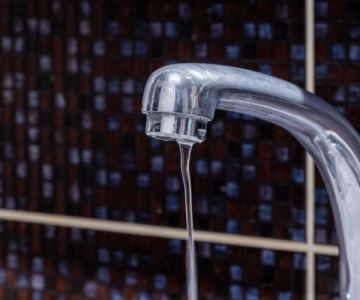
Fixing leaks as soon as they’re discovered is one of the most effective ways to reduce water bills. Whether it’s a dripping faucet or a leaking pipe, it’s important to repair leaks immediately to prevent water waste. Regularly check plumbing fixtures to ensure they’re in good working condition.
5.2 Install Water-Efficient Appliances
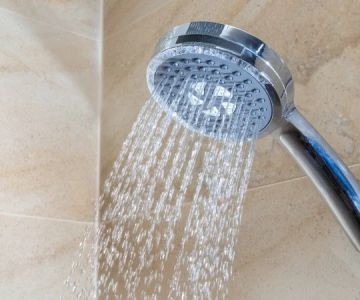
Upgrading to water-efficient appliances, such as low-flow toilets, showerheads, and faucets, can have a significant impact on your water bill. Look for products that have the WaterSense label, which indicates that they meet the U.S. Environmental Protection Agency’s (EPA) water efficiency standards.
5.3 Educate Your Household
Encourage everyone in your home to practice water-saving habits, like turning off the water when not in use, taking shorter showers, and using appliances efficiently. Small lifestyle changes can help you conserve water and reduce waste, ultimately lowering your water bills.
6. Why Choose Plumbers Supply Hub for Your Plumbing Needs
If you’re dealing with high water bills due to plumbing issues or inefficient appliances, Plumbers Supply Hub is here to help. We offer a wide range of high-quality, water-efficient products and provide expert plumbing services to help you diagnose and fix any water usage problems. Whether you need a new water-efficient toilet, faucet, or help with leak detection, our knowledgeable team is ready to assist you.
Visit Plumbers Supply Hub today to find the best solutions for reducing your water bills and improving your home’s plumbing system.
 Aspen Plumbing Services5.0 (66 reviews)
 B V Tetzlaff, Inc.4.0 (5 reviews)
 Deluxe Plumbing Inc5.0 (1 reviews)
 Absolute Plumbing4.0 (22 reviews)
 Accurate Drain Cleaning & Plumbing Repair3.0 (16 reviews)
 Eaton Family Plumbers4.0 (111 reviews)
 How to Fix a Leaky Water Heater: Step-by-Step Instructions
 How to Replace Your Showerhead and Improve Water Flow
 How to Replace a Broken Toilet Bowl: Step-by-Step Guide for Homeowners
 Why Your Pipes Rattle at Night and What to Fix
 What Happens When You Pour Grease Down the Drain
 Plumbing Tips to Save Water and Lower Your Utility Bills