
- The Importance of Saving Water
- Common Areas Where Water is Wasted
- Plumbing Tips to Save Water
- Maintaining Your Plumbing System for Efficiency
- Finding Water-Saving Plumbing Products
The Importance of Saving Water
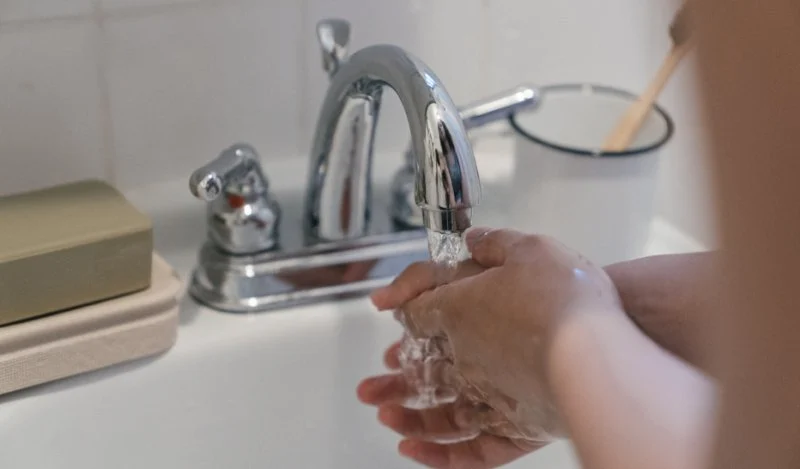
Water conservation is essential, not only for the environment but also for your wallet. In the United States, water bills can significantly impact your monthly expenses. By making small adjustments to your plumbing habits, you can lower utility bills and contribute to water conservation efforts. Saving water isn't just about reducing costs; it's about using resources wisely to ensure sustainable living.
With increasing awareness of climate change and the global water crisis, many homeowners are looking for effective ways to reduce water consumption. This article will explore practical plumbing tips to help you achieve those savings while maintaining an efficient plumbing system.
Alpine Plumbing, Heating, and Air
San DimasLos Angeles CountyCalifornia
462 Borrego Ct, San Dimas, CA 91773, USA
Common Areas Where Water is Wasted
Before diving into tips, it’s important to understand where water is typically wasted in your home. Identifying these areas is the first step in taking control of your water usage. Here are some common places where water is often wasted:
1. Leaky Faucets and Pipes
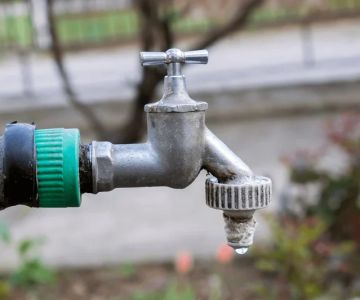
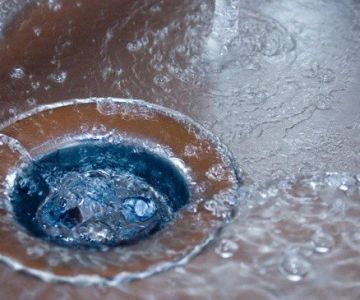
One of the most common culprits for water wastage is leaky faucets and pipes. A small drip might seem insignificant, but over time, it can lead to hundreds of gallons of water lost. Even the smallest leaks in the system can add up, contributing to higher utility bills.
2. Running Toilets
Running toilets are another major water-wasting issue. If your toilet continues to run after flushing, it could waste up to 200 gallons of water per day. This not only increases water usage but also leads to higher utility bills.
3. Inefficient Showerheads
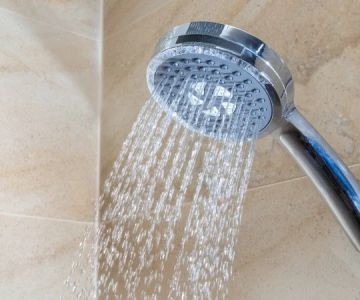
Older, inefficient showerheads use more water than necessary. Switching to low-flow showerheads can dramatically reduce water consumption without sacrificing water pressure or comfort.
4. Washing Machine and Dishwashers
Modern washing machines and dishwashers are designed to use less water, but older models may waste significant amounts. Upgrading to energy-efficient appliances can help you save both water and electricity.
Plumbing Tips to Save Water
Now that we know where water is commonly wasted, let’s explore some plumbing tips you can implement to reduce water usage in your home:
1. Fix Leaks Promptly
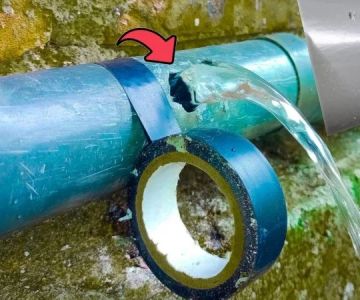
Even the smallest leak should not be ignored. A dripping faucet or a running toilet can waste gallons of water over time. Fixing leaks promptly not only conserves water but also saves you money on your water bill. You can either fix minor leaks yourself or call a professional plumber for more extensive issues.
2. Install Water-Efficient Fixtures
Upgrading your fixtures is an effective way to save water. Install low-flow showerheads, faucets, and toilets to significantly reduce water usage without sacrificing performance. These fixtures use significantly less water while still providing effective functionality.
3. Use a Water-Efficient Irrigation System
If you have a garden or lawn, consider installing a water-efficient irrigation system. Drip irrigation systems deliver water directly to plant roots, minimizing waste. Additionally, using timers and moisture sensors ensures you only water when necessary, preventing overwatering and reducing water consumption.
4. Educate Family Members on Water Usage
Saving water isn’t just about fixing plumbing; it’s also about changing your habits. Encourage your family to take shorter showers, turn off the tap while brushing teeth, and only run the dishwasher or washing machine with full loads. Small changes in behavior can have a big impact on your water usage over time.
5. Upgrade to Energy-Efficient Appliances
Modern dishwashers and washing machines are designed to use less water and energy. By upgrading to energy-efficient models, you can reduce both water and electricity consumption, leading to long-term savings on utility bills.
Maintaining Your Plumbing System for Efficiency
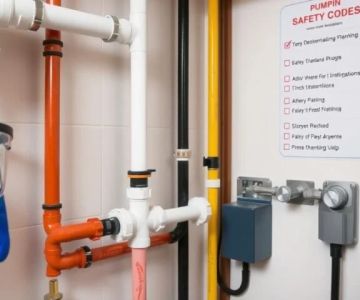
Regular maintenance of your plumbing system is key to ensuring it operates efficiently and continues to save water. Here are some maintenance tips to keep your plumbing in top shape:
1. Clean Your Pipes
Mineral deposits and debris can accumulate inside your pipes, reducing water flow and causing blockages. Regularly clean your pipes to ensure smooth water flow and prevent clogs. You can use pipe cleaners or hire a professional plumber to handle more extensive cleaning.
2. Inspect for Leaks Regularly
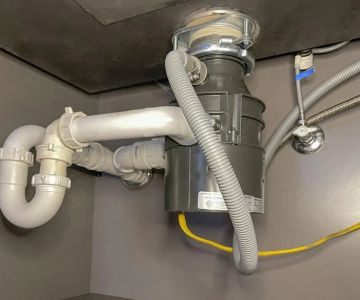
Regularly inspect your plumbing for leaks, especially in hidden areas like under sinks and behind walls. This will help you spot leaks early and prevent water waste. If you do find a leak, repair it as soon as possible to avoid further damage.
3. Insulate Pipes
In colder climates, insulating your pipes helps prevent freezing and bursting during winter. Insulated pipes are less likely to suffer damage, reducing the need for repairs and water loss.
Finding Water-Saving Plumbing Products
If you're ready to upgrade your plumbing fixtures or need assistance in finding water-saving products, look no further than Plumbers Supply Hub. We offer a wide range of high-quality plumbing products designed to save water and reduce your utility bills. From water-efficient faucets to eco-friendly toilets, we provide everything you need to start saving water today.
Visit our website for recommendations on the best water-saving products and find the right plumbing solutions for your home!
 Rightway Plumbing LLC5.0 (43 reviews)
 R J Till & Sons Plumbing4.0 (29 reviews)
 TrueWater Plumbing5.0 (1 reviews)
 Pearson Plumbing, Cooling and Pest Control4.0 (548 reviews)
 Neal's Plumbing LLC4.0 (105 reviews)
 Aliso Viejo Plumbing1.0 (1 reviews)
 The Best Ways to Install Plumbing in Your New Construction Project
 How to Choose the Right Sealant for Pipe Joints
 How to Repair a Crack Around a Bathtub Rim: A Step-by-Step Guide
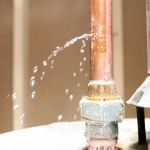 How to Detect Plumbing Leaks Early to Avoid Expensive Repairs
 How to Safely Replace an Outdated Plumbing Fixture
 How to Fix a Leaking Hose Bibb: A DIY Plumbing Solution