
- 1-What Causes Toilet Overflow?
- 2-Immediate Steps to Take When Your Toilet Overflows
- 3-Common Plumbing Tools to Handle the Situation
- 4-How to Prevent Toilet Overflow in the Future
- 5-Plumbers Supply Hub Recommendations
1. What Causes Toilet Overflow?
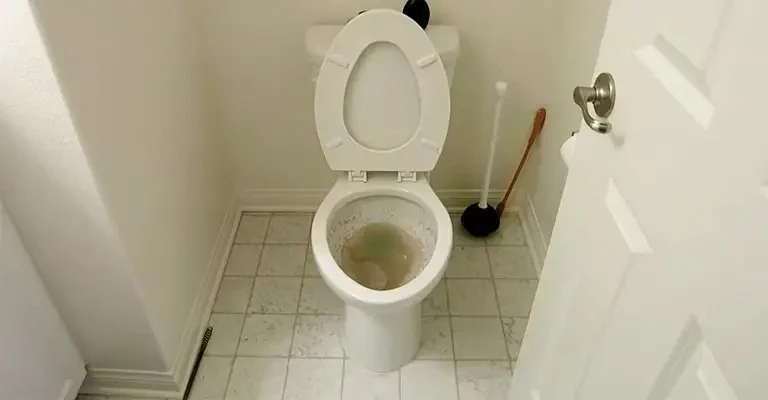
Toilet overflows are often caused by clogs or blockages in the plumbing system. These blockages may be the result of too much toilet paper, foreign objects, or a buildup of waste. Sometimes, plumbing issues like a malfunctioning toilet flapper or a damaged wax seal can also contribute to an overflowing toilet. Identifying the cause early can help prevent further damage to your bathroom and home.
Additionally, a toilet overflow might occur due to a clog deeper in the plumbing system, such as in the drain line or septic tank. While the cause might seem straightforward, it's essential to assess the situation to avoid exacerbating the issue.
2. Immediate Steps to Take When Your Toilet Overflows
When your toilet overflows, quick action is essential to avoid water damage to your bathroom and nearby areas. Here's what you need to do:
2.1 Turn Off the Water Supply
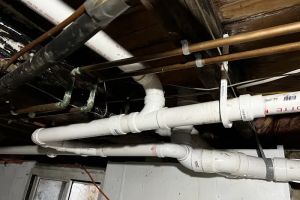
The first thing you should do when you notice your toilet overflowing is to turn off the water supply to the toilet. You can usually do this by locating the shut-off valve, which is typically behind the toilet. Turn the valve clockwise to stop the flow of water. This will prevent further water from spilling over and minimize damage.
2.2 Assess the Situation
Next, take a look at the cause of the overflow. If it's a minor clog, you may be able to fix it yourself using a plunger. If the water seems to be coming from a different source, such as a broken pipe or tank malfunction, you may need to call a plumber.
2.3 Use a Plunger
If the overflow is due to a clog, a plunger can often fix the issue. Ensure that the plunger is submerged in water, and give it several firm thrusts. This will help loosen the blockage and restore normal toilet function. Remember to wear rubber gloves to maintain hygiene while dealing with the overflow.
2.4 Remove Excess Water
If the water has already overflowed onto the bathroom floor, use towels or a wet/dry vacuum to remove excess water as soon as possible. This will prevent water from seeping into the flooring, which can cause long-term damage.
3. Common Plumbing Tools to Handle the Situation
There are several tools you can use to address a toilet overflow. Keeping these on hand can help you handle the situation efficiently:
3.1 Plunger
A plunger is the most common tool used to clear clogs and restore toilet function. Look for a flange plunger, as it's specifically designed for toilets and can create a better seal compared to a standard plunger.
3.2 Toilet Auger
If the plunger doesn't work, a toilet auger can help break through tougher clogs deeper in the toilet drain. It’s a long, flexible tool that can reach deep into the toilet’s pipes to clear blockages.
3.3 Wet/Dry Vacuum
A wet/dry vacuum is an excellent tool for removing water after an overflow. It can quickly suction up excess water from the floor, reducing the risk of water damage to your bathroom.
3.4 Plumbing Snake
If the blockage is deeper in the plumbing system, a plumbing snake (also called a drain snake) can help reach and clear stubborn clogs. If you're not comfortable using one yourself, a professional plumber can assist with this tool.
4. How to Prevent Toilet Overflow in the Future
To avoid dealing with toilet overflows in the future, consider taking the following preventative measures:
4.1 Be Mindful of What Goes Down the Toilet
Avoid flushing large amounts of toilet paper, feminine hygiene products, wipes, or any non-toilet paper items. These can easily cause blockages in your toilet. Only toilet paper should be flushed down the toilet, and if you need to dispose of other items, do so in the trash.
4.2 Regularly Inspect Your Toilet
Inspect your toilet regularly for any signs of wear or malfunction. Check the flapper, fill valve, and tank components to ensure they are in good working condition. If you notice any leaks or irregularities, address them promptly to prevent bigger issues later on.
4.3 Consider Professional Maintenance
Regular professional maintenance can help prevent clogs and ensure that your plumbing system is functioning properly. A plumber can inspect your toilet and pipes to identify potential issues before they become major problems.
5. Plumbers Supply Hub Recommendations
If you're looking to tackle toilet issues or need supplies to prevent clogs in the future, Plumbers Supply Hub offers high-quality plumbing tools and products. Here are some recommended items:
- Heavy-duty plungers and toilet augers
- Wet/dry vacuums for water removal
- Plumbing snakes for stubborn blockages
- Replacement toilet parts, including flappers and fill valves
Visit Plumbers Supply Hub today to find the right tools and supplies to keep your toilet functioning properly and prevent future overflows.
 OC REPIPES5.0 (117 reviews)
 Eco Plumbers, Electricians, and HVAC Technicians4.0 (732 reviews)
 Ryan Plumbing5.0 (4 reviews)
 Mojicas drain cleaning experts and leak detection4.0 (58 reviews)
 Inexpensive Plumbing & Drain4.0 (1 reviews)
 Pristine Plumbing4.0 (1351 reviews)
 What to Do When Your Sink Leaks Only at the Base: Causes & Fixes
 How to Test for Bacteria in Household Water Supply
 How to Fix a Leaking Hose Bibb: A DIY Plumbing Solution
 How to Prevent Toilet Clogs: Simple Tips Every Homeowner Should Know
 How to Replace a Shower Glass Door Without Causing Leaks
 When to Call a Professional for Sewer Line Issues