
- Introduction: Why Sump Pump Maintenance Matters
- Common Sump Pump Issues and How to Identify Them
- Troubleshooting Solutions for Your Sump Pump
- Preventative Maintenance Tips for Your Sump Pump
- Real-Life Example: Sump Pump Troubleshooting in Action
Introduction: Why Sump Pump Maintenance Matters
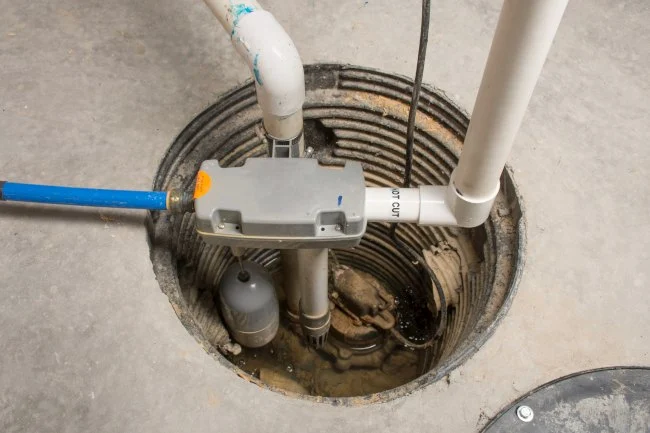
A sump pump is a crucial part of your home's drainage system, helping to prevent flooding by directing water away from your basement or crawlspace. However, like any mechanical system, sump pumps can experience issues over time. Regular maintenance and quick troubleshooting can save you from expensive repairs and water damage. In this guide, we’ll walk you through some common sump pump issues and provide practical solutions to keep your system running smoothly.
Common Sump Pump Issues and How to Identify Them
Knowing what to look for when your sump pump isn’t working properly is key to preventing major flooding. Here are some common issues homeowners face with their sump pumps:

High Speed Plumbing of Fullerton
FullertonOrange CountyCalifornia
1303 W Valencia Dr #208, Fullerton, CA 92833, USA
1. Sump Pump Not Turning On
If your sump pump isn't turning on, it could be due to a few different factors. The most common issue is a tripped circuit breaker or blown fuse. In some cases, the pump's float switch, which activates the pump when water levels rise, may be stuck or obstructed. Before you panic, check the electrical connections and ensure the float switch is clear of any debris.
2. Sump Pump Runs Continuously
If your sump pump is running constantly, it may be overworked or malfunctioning. One reason could be that the sump pit is always full, which may indicate improper drainage or a failing check valve. Another cause could be a malfunctioning float switch, causing the pump to run without stopping.
3. Sump Pump Doesn’t Pump Water Properly
When a sump pump is failing to pump water out of the pit, it can be caused by clogged discharge pipes or a damaged impeller. Over time, debris can accumulate in the pipes, blocking water flow. Inspect the discharge pipe for blockages and clean it if necessary. If the impeller is jammed or broken, you may need to replace the pump or its parts.
4. Loud Noises Coming from the Sump Pump
If your sump pump is making unusual or loud noises, such as grinding or rattling, it could mean the impeller or motor is damaged. A loud pump may also indicate debris inside the pump, which can block its moving parts. Regular cleaning can help prevent this issue, but if the noise persists, it’s worth investigating the pump’s internal components for any signs of damage.
Troubleshooting Solutions for Your Sump Pump
Now that you know the common sump pump issues, let’s explore troubleshooting solutions for each one:
1. Fixing a Sump Pump That Won’t Turn On
To fix a sump pump that won't turn on, start by checking the power source. Ensure that the pump is plugged in and that the circuit breaker hasn't been tripped. If the power is working, check the float switch for any obstructions or debris. Clean the switch and make sure it moves freely. If the pump still doesn’t work, you may need to replace the float switch or check the pump’s motor for damage.
2. Solving the Problem of a Continuously Running Sump Pump
If your sump pump runs continuously, first check for any blockages in the discharge pipes. Clear out any debris that may be causing a clog. Inspect the check valve to ensure it’s functioning properly. If the pump still runs non-stop, it may be a sign that the pump is undersized for the job. Consider upgrading to a more powerful model if the issue persists.
3. Improving Water Discharge from Your Sump Pump
If your sump pump isn’t pumping water properly, inspect the discharge pipes and remove any blockages. Clean the impeller and check for any damage. If the pump is still struggling to pump water, you may need to replace the pump’s motor or consider upgrading to a higher-capacity model. Keep in mind that regular maintenance, like cleaning the sump pit, can help prevent future issues.
4. Reducing Loud Noises from Your Sump Pump
Loud noises can often be reduced by cleaning the pump and checking for debris. If the noise continues, it may be time to replace worn-out components, such as the impeller or motor. If the pump is older, consider replacing it entirely, as a new pump will likely operate more quietly and efficiently.
Preventative Maintenance Tips for Your Sump Pump
Regular maintenance can help prevent common sump pump issues and ensure your system runs smoothly year-round. Here are some essential maintenance tasks to keep your pump in top condition:
1. Regular Cleaning
Clean your sump pump and pit regularly to prevent debris from building up and clogging the system. Remove any dirt, leaves, or other debris from the sump pit to ensure the pump can operate without obstruction. Also, clean the intake screen to allow water to flow freely into the pump.
2. Test Your Pump Periodically
Test your sump pump periodically by pouring water into the pit to see if it activates properly. This helps ensure that the pump is functioning and that the float switch is working as it should. Run this test every few months, especially before the rainy season.
3. Check the Backup System
If your sump pump has a backup battery system, check the battery regularly to ensure it's fully charged and working properly. A backup system is especially important during power outages or heavy storms when your main pump might fail.
Real-Life Example: Sump Pump Troubleshooting in Action
Take the example of John, a homeowner who faced a flooded basement after his sump pump failed to activate during a heavy rainstorm. After troubleshooting, he found that the float switch was stuck in the “off” position. He cleaned the switch and tested the pump, which started working immediately. By performing this simple fix, John was able to prevent water damage and save thousands of dollars in repair costs.
 Rescue Plumbing4.0 (28 reviews)
 CastleWorks Water Heaters0.0 (0 reviews)
 Pelke Plumbing & Well Drilling Inc5.0 (40 reviews)
 Z Plumberz of Livingston5.0 (124 reviews)
 Fowler Home Services5.0 (28 reviews)
 Solace Plumbing Heating and Air | Emergency Plumber, Sewer Repair, Water Heater Repair, AC and Heating Repair Upland, CA4.0 (308 reviews)
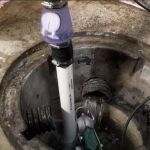 Why Your Sump Pump Runs Excessively and How to Limit It
 How to Replace a Galvanized Pipe in Your Home
 How to Install a New Sink Faucet: A Complete DIY Guide
 How to Repair a Clogged Garbage Disposal: Troubleshooting Tips
 How to Protect Pipes from Freezing in Cold Climates
 How to Install a Water Meter for Irrigation