

- 1 - The Importance of Preventing Plumbing Issues During Renovations
- 2 - Common Plumbing Problems During Renovations
- 3 - How to Prepare Your Plumbing Before Renovations
- 4 - Steps to Avoid Plumbing Mistakes During Renovations
- 5 - Plumbing Safety Tips for Home Renovations
- 6 - When to Call a Professional Plumber During Renovations
- 7 - Why Choose Plumbers Supply Hub for Your Renovation Plumbing Needs
1. The Importance of Preventing Plumbing Issues During Renovations
Renovating your home can be an exciting project, but it also comes with its share of challenges—one of the biggest being plumbing issues. Plumbing problems during renovations can lead to costly delays, water damage, and even structural damage. Whether you’re updating a bathroom, finishing a basement, or expanding your kitchen, it’s crucial to anticipate potential plumbing problems before they arise.
Taking the time to plan ahead and prevent plumbing issues ensures that your renovation projects stay on track and within budget. In this guide, we’ll cover common plumbing problems that arise during home renovations and provide practical solutions to prevent them.

2. Common Plumbing Problems During Renovations
When undertaking a renovation project, there are a few plumbing issues that tend to come up more frequently. Here are some of the most common plumbing problems to be aware of:
1. Leaky Pipes
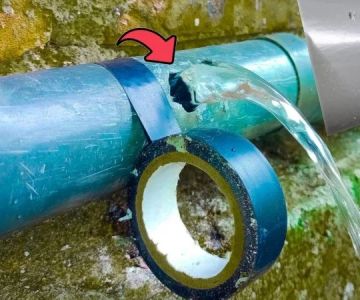
During renovations, especially when walls or floors are being opened up, you may inadvertently disturb existing plumbing. This can lead to leaky pipes, which can cause water damage to walls and flooring if not addressed quickly. Leaks can also lead to higher water bills and mold growth if left unchecked.
2. Blocked Drains
Renovation debris, such as dust, drywall pieces, and construction waste, can find its way into your plumbing system. These materials can cause blockages in your drains, leading to slow drainage or complete backups. It’s essential to keep the drains clear and ensure that no debris enters the plumbing system during renovation work.
3. Disconnected or Damaged Pipes
In some renovations, particularly when walls are being torn down or moved, pipes can become disconnected or damaged. This is especially common in older homes with outdated plumbing systems. Any damage to pipes needs to be addressed immediately to avoid leaks and potential flooding later on.
4. Poor Water Pressure
Renovations can sometimes affect your home’s water pressure. If new plumbing lines are installed incorrectly or if older pipes are disturbed, you may notice a drop in water pressure. This issue is often the result of poor pipe installation or obstructions in the pipes.
3. How to Prepare Your Plumbing Before Renovations
Proper preparation is key to avoiding plumbing issues during renovations. Here are a few essential steps to take before you begin your renovation project:
1. Conduct a Plumbing Inspection
Before starting any major renovations, it’s essential to have a licensed plumber conduct a thorough inspection of your plumbing system. They can identify any existing issues that may be hidden, such as pipe corrosion or leaks, and recommend solutions to prevent further damage during the renovation process.
2. Turn Off Water Supply
Before beginning any renovation work, always turn off the main water supply to your home. This prevents accidental flooding or damage to your plumbing system while you work. It’s also a good idea to shut off water to specific areas that are being renovated (e.g., the bathroom or kitchen).
3. Plan for Temporary Plumbing Needs
During renovations, you may need to set up temporary plumbing solutions. For example, if you’re remodeling a kitchen or bathroom, consider setting up a temporary sink or water supply to ensure you still have access to water during the renovation process. Plan ahead so you don’t run into unexpected inconveniences.
4. Steps to Avoid Plumbing Mistakes During Renovations
Plumbing mistakes during renovations can be costly and time-consuming. Here are some essential steps to help you avoid common plumbing errors:
1. Hire a Qualified Professional
If your renovation involves moving or replacing plumbing lines, it’s best to hire a licensed plumber who has experience working with plumbing systems. A qualified professional can ensure that all plumbing installations are up to code and properly installed to prevent future issues.
2. Follow Building Codes
Plumbing installations need to adhere to local building codes. Failing to follow these codes can lead to complications down the road, including leaks, flooding, or issues during a home inspection. Always check with your local authorities to ensure your plumbing work complies with all necessary regulations.
3. Protect Your Pipes
During renovations, it’s important to protect your pipes from potential damage. Be mindful of how tools and equipment are handled around plumbing lines, and use appropriate materials when sealing or rerouting pipes. Any damage to your pipes during renovation can result in leaks or blockages later on.
5. Plumbing Safety Tips for Home Renovations
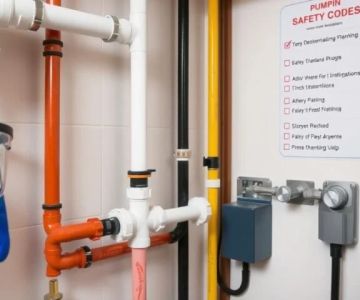
Safety should always be a priority when working with plumbing systems. Here are some plumbing safety tips to keep in mind during your renovations:
1. Use Proper Tools
When handling plumbing tasks, always use the proper tools. Using the wrong tools can cause damage to your plumbing system or lead to injuries. For example, using a wrench on a pipe instead of a pipe cutter can cause it to crack or break, leading to more extensive repairs.
2. Wear Protective Gear
When working around plumbing, especially in tight spaces, always wear appropriate protective gear, such as gloves and goggles. This will protect you from sharp objects, chemicals, or debris that may be present during the renovation process.
3. Take Precautions with Electrical Systems
If your plumbing work involves areas near electrical systems, make sure to turn off the electricity to those areas before beginning any work. Water and electricity can be a dangerous combination, so always take precautions to prevent electrical accidents.
6. When to Call a Professional Plumber During Renovations
While some plumbing tasks can be handled DIY, there are certain situations where you should always call a professional plumber:
1. Extensive Plumbing Changes
If your renovation involves major changes to your plumbing, such as relocating pipes or installing new systems, it’s best to hire a licensed plumber. These projects require expertise and knowledge to ensure proper installation and prevent costly mistakes.
2. Water Damage or Leaks
If you encounter leaks or water damage during your renovation, don’t wait to call a plumber. Water can cause significant damage to your home if left unchecked, and a plumber can quickly identify the source of the issue and prevent further damage.
3. Code Compliance Issues
If you’re unsure whether your plumbing work meets local building codes, a professional plumber can help you ensure compliance and avoid complications during inspections. They will know the proper materials and techniques to use to keep your renovation project up to code.
7. Why Choose Plumbers Supply Hub for Your Renovation Plumbing Needs
At Plumbers Supply Hub, we offer top-quality plumbing supplies and expert advice for all your renovation needs. Whether you're handling a DIY project or need professional assistance, we have the tools, products, and expertise to help your renovation run smoothly. Visit Plumbers Supply Hub for the best plumbing solutions and products to support your home renovation projects.
 Weishaupt Brothers Plumbing & Heating5.0 (5 reviews)
 Plumb First4.0 (9 reviews)
 drainpros5.0 (1 reviews)
 Roto-Rooter Plumbing & Water Cleanup4.0 (235 reviews)
 Guardian Plumbers Murrieta4.0 (414 reviews)
 Travis Brothers Plumbing and Gas Co4.0 (20 reviews)
 How to Prevent Water Heater Leaks with Regular Maintenance
 How to Extend the Life of Your Plumbing System with Regular Maintenance
 How to Temporarily Patch a Burst Pipe Until Help Arrives: A DIY Guide
 What to Check When You Have Low Water Pressure in Your Home
 How to Install a New Sink Faucet: DIY Guide for Homeowners
 How to Repair a Junction That Is Leaking Under Slab: A Comprehensive Guide