
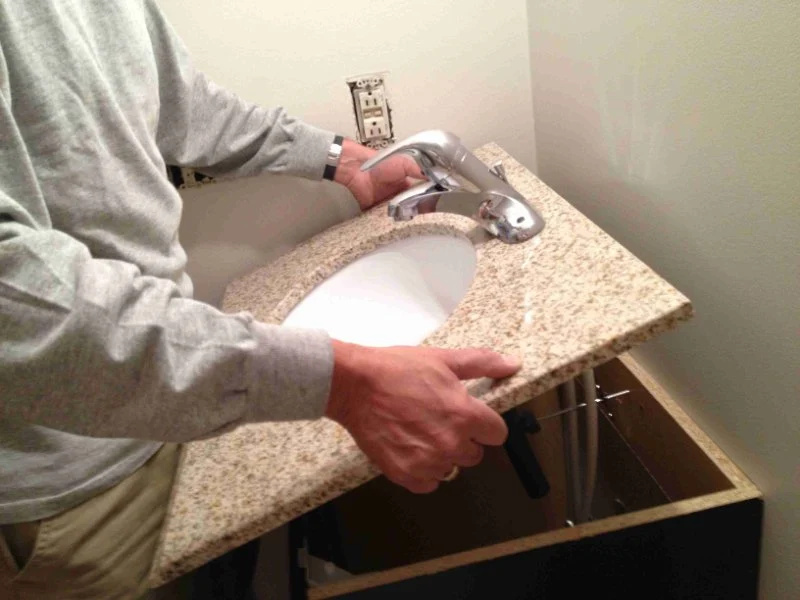
- 1- Planning Your Bathroom Sink Installation
- 2- Tools and Materials Required
- 3- Step-by-Step Bathroom Sink Installation
- 4- Common Mistakes to Avoid During Installation
- 5- When to Call a Professional Plumber
1. Planning Your Bathroom Sink Installation
Before jumping into the installation process, it's important to plan ahead. Installing a bathroom sink requires careful consideration of space, plumbing connections, and style. Start by choosing the right type of sink that suits your bathroom’s design, whether it's a pedestal, wall-mounted, or vanity sink. Also, take measurements to ensure that the sink fits in the available space without obstructing other fixtures.
Consider the plumbing connections as well—will you be connecting to existing pipes, or will new plumbing need to be installed? Ensuring proper pipe alignment will make the process much smoother.

2. Tools and Materials Required
To install a bathroom sink, you'll need some essential tools and materials. Here’s a list of items you’ll require:
- Wrench Set: To tighten and loosen plumbing fittings.
- Pipe Cutter: For cutting pipes to the right size if necessary.
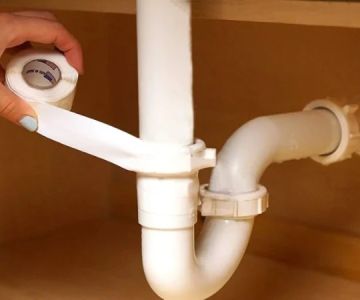
- Plumber’s Tape: To prevent leaks at threaded connections.
- Silicone Sealant: To secure the sink in place and prevent leaks.
- Level: To ensure your sink is properly aligned.
- Adjustable Pliers: For handling plumbing parts and connections.
These tools will help you successfully complete the installation. If you don’t have some of these tools, you may want to consider renting them or purchasing them online or at your local hardware store.

3. Step-by-Step Bathroom Sink Installation
Once you have everything ready, follow these steps to install your bathroom sink:
- Shut Off Water Supply: Before starting, turn off the water supply to the bathroom sink. This will prevent any accidental water flow while you work.
- Prepare the Sink Area: If replacing an old sink, remove the old fixture and clean the area. Ensure that the space is ready for the new sink, and check if plumbing connections are intact or need adjustments.
- Install the Faucet: If the faucet isn’t pre-installed, attach it to the sink according to the manufacturer’s instructions.
- Attach the Sink to the Wall: Use the appropriate mounting hardware to secure the sink in place. Ensure it is level before tightening everything.
- Connect Plumbing: Attach the water supply lines to the faucet and the drain pipe to the sink. Use plumber’s tape on threaded connections to prevent leaks.
- Seal the Sink: Apply silicone sealant around the edges where the sink meets the countertop or wall, depending on the sink type.
- Test for Leaks: Once everything is connected, turn on the water supply and check for any leaks around the plumbing connections. Tighten any loose connections if necessary.
These steps will guide you through a smooth installation process. If you encounter any issues, like plumbing problems or the sink not fitting correctly, it may be time to call a professional.
4. Common Mistakes to Avoid During Installation
Installing a bathroom sink is relatively simple, but there are a few mistakes that can complicate the process. Here are some things to avoid:
- Improper Measurements: Always double-check your sink’s dimensions before purchasing and ensure it fits well in the available space.
- Not Using Plumber’s Tape: Failing to use plumber’s tape on threaded connections can result in leaks.
- Over-tightening Connections: While it’s important to ensure everything is tight, over-tightening can damage fittings and cause cracks.
- Ignoring the Level: Not using a level can result in a crooked sink, which can affect both its appearance and functionality.
Avoiding these common mistakes will save you time and effort during the installation process and ensure that your sink functions properly for years to come.
5. When to Call a Professional Plumber
While installing a bathroom sink can be a DIY project, there are instances when you should call a professional plumber. Here are a few scenarios:
- Inexperienced with Plumbing: If you are not familiar with plumbing systems or feel uncomfortable handling plumbing connections, it’s best to seek professional help.
- Complex Plumbing Adjustments: If your sink requires new plumbing lines or significant adjustments to the existing plumbing system, a plumber’s expertise will ensure the job is done correctly.
- Persistent Leaks: If after installation you still notice leaks, it could indicate a larger issue that requires professional attention.
Don’t hesitate to call a plumber if you encounter these problems, as they will ensure your bathroom sink is properly installed and functioning as it should. You can find trusted plumbing professionals at Plumbers Supply Hub for the best services and products.
 Roto-Rooter4.0 (181 reviews)
 Absolute Plumbing4.0 (120 reviews)
 Root Masters Sewer, Drain and Plumbing4.0 (228 reviews)
 Z Plumberz of Livingston5.0 (124 reviews)
 Competitive Plumbing Services4.0 (20 reviews)
 Bill Owens Plumbing4.0 (7 reviews)
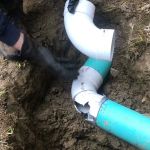 How to Replace a Broken Drain Elbow | Plumbers Supply Hub
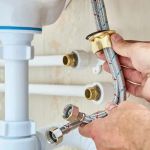 The Best Ways to Keep Your Plumbing System Efficient and Leak-Free
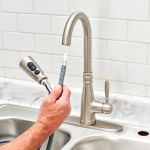 How to Troubleshoot a Noisy Faucet: Common Causes and Solutions
 How to Clean Sediment Build-Up in Household Pipes: Effective Solutions for Clear Water Flow
 How to Replace an In-Wall Shower Drain
 How to Properly Route Plumbing for a New Appliance