
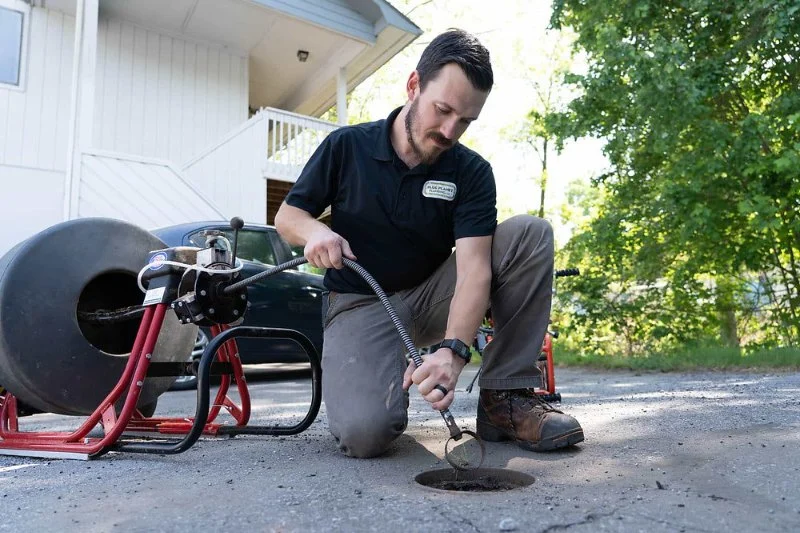
Introduction to Plumbing Systems
As a new homeowner, understanding the plumbing and drainage systems of your house is crucial. A properly functioning plumbing system ensures that you have access to clean water, waste is disposed of correctly, and your home remains safe and comfortable. This guide will provide you with the essential knowledge to maintain and troubleshoot your plumbing systems, helping you avoid expensive repairs in the future.

Understanding Drainage Systems
Drainage systems are responsible for carrying waste and excess water away from your home. These systems include both interior and exterior plumbing, which work together to ensure smooth drainage. Understanding how your drainage system functions will help you prevent blockages and identify potential issues early.
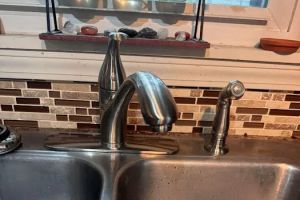
Types of Drainage Systems
Your home has several types of drains designed to handle different functions:
- Stormwater drains: These drains collect rainwater and direct it away from your property.
- Wastewater drains: These carry waste and wastewater from your home to the sewer system.
- Foundation drains: These prevent water from collecting around your home’s foundation.
Each system plays a crucial role in maintaining the integrity of your home, and it’s essential to keep them clean and clear to avoid potential flooding or water damage.
Common Plumbing Issues in New Homes
Even in new homes, plumbing issues can arise. Here are some of the most common problems that new homeowners may face:
Clogged Drains
Clogs are a common issue in both kitchen and bathroom drains. They often occur due to food scraps, soap buildup, or hair. Regular cleaning of your drains and using a drain guard can help prevent this.
Low Water Pressure
If you notice low water pressure in your faucets or shower, it could be a sign of a blocked pipe or a more significant plumbing issue. Check for leaks, and consider cleaning your aerators to restore pressure.
Leaks and Drips
Leaky pipes or faucets are not only annoying but can also lead to water damage. If you spot a leak, fix it as soon as possible to avoid costly repairs. Keep an eye on your plumbing for any signs of leaks, especially in hidden areas like under sinks and behind appliances.
Preventative Plumbing and Drain Maintenance
Regular maintenance is the key to ensuring that your plumbing systems run efficiently and last for years. Here are some preventative maintenance tips:
Clean Your Drains Regularly
Clearing your drains of debris and buildup is crucial to maintaining water flow. Use a mixture of baking soda and vinegar to clean your drains naturally, or purchase drain-cleaning products designed to prevent clogs.
Check for Leaks
Inspect your pipes, faucets, and appliances for leaks regularly. Look for water stains or damp spots on walls and ceilings. If you find a leak, it’s best to call a plumber immediately to avoid further damage.
Maintain Your Water Heater
Your water heater should be flushed periodically to remove sediment buildup. This helps improve efficiency and prolong the life of your water heater. Ensure that the temperature is set to an appropriate level to prevent scalding or energy waste.
Conclusion and Final Tips
Understanding and maintaining your plumbing and drainage systems is vital for every homeowner. By being proactive with preventative maintenance and addressing issues promptly, you can avoid costly repairs and keep your home running smoothly. Always be aware of any signs of plumbing problems, and don't hesitate to call a professional plumber if needed.
Remember to check your home’s plumbing systems regularly and ensure that all drains are functioning properly. A little care can go a long way in preserving your home’s plumbing infrastructure.
 Royal Flush Plumbing4.0 (8 reviews)
 Platinum Plumbing Inc5.0 (897 reviews)
 High Speed Plumbing of Fullerton4.0 (149 reviews)
 Smillie Plumbing & Heating, Inc.4.0 (29 reviews)
 Unique Plumbing5.0 (48 reviews)
 JB Plumbing4.0 (360 reviews)
 How to Clean Out a Septic Tank Filter Safely: Step-by-Step Guide
 Plumbing Tips for Making Your Bathroom More Water-Efficient
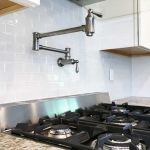 How to Install a Pot Filler Faucet in the Kitchen: A Step-by-Step Guide
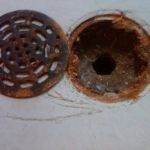 How to Replace a Floor Drain Cover That Is Damaged
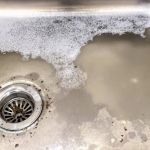 Why Your Kitchen Sink Is Clogged and How to Fix It
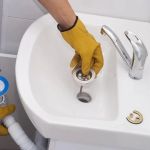 How to Prevent Clogged Drains: Everyday Habits You Should Adopt