
Understanding Backflow and Its Risks
Backflow is a serious plumbing issue that occurs when water flows in the wrong direction through your pipes, potentially contaminating your clean water supply. This can happen due to a drop in water pressure, causing water from toilets, drains, or even industrial systems to flow back into the drinking water system. Backflow contamination can lead to serious health hazards, including waterborne diseases.
Backflow prevention is essential for keeping your home’s water supply safe, and it’s something every homeowner should be aware of. Understanding the risks of backflow and the importance of prevention can help you avoid costly repairs, health risks, and legal issues related to contaminated water.
How Backflow Occurs and Common Causes
Backflow can occur in any plumbing system, but it’s especially a concern in residential areas where water pressure can fluctuate. Below are the main causes of backflow:
1. Sudden Drop in Water Pressure
Backflow often occurs when there is a sudden drop in water pressure within the plumbing system, caused by an event such as a fire hydrant being opened, a water main breaking, or a large-scale use of water in a nearby area. When the water pressure drops, it can cause water to flow backward, potentially bringing contaminants into your system.
2. Cross-Connection Issues
A cross-connection occurs when a drinking water line is connected to a non-potable water source, such as a sewage line or irrigation system. If the water pressure drops, the non-potable water can flow into the drinking water supply, leading to contamination.
3. Backflow From Appliances
Certain household appliances, like dishwashers and washing machines, can be a source of backflow if they are improperly connected to the water system. These appliances are often linked to the plumbing through a direct connection, meaning water from the appliance can flow back into the main supply if the pressure is low enough.
How Backflow Prevention Works
Backflow prevention systems are designed to keep non-potable water from entering the clean water supply. These systems work by using specialized devices and valves that only allow water to flow in one direction. Here’s how backflow prevention works:
1. Check Valves
One of the most common methods of backflow prevention is the installation of check valves. These valves automatically close when water begins to flow backward, preventing contamination. They are often used in irrigation systems and can be installed at various points in your plumbing system.
2. Air Gap
An air gap is the simplest and most effective form of backflow prevention. It involves creating a physical gap between the water supply and a non-potable water source, such as an open drain. This gap ensures that even if there is a drop in water pressure, water cannot flow back into the system.
3. Backflow Preventer
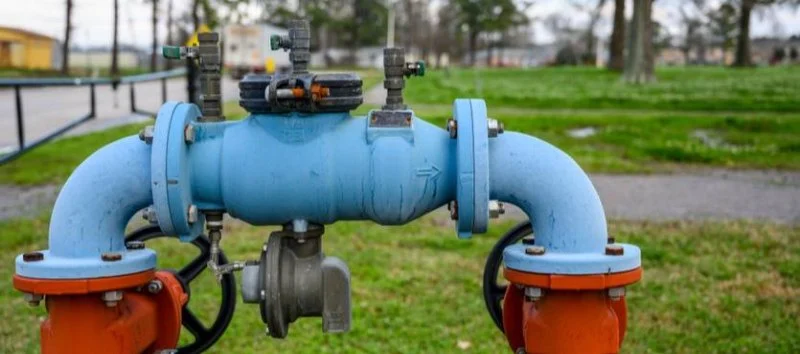
A backflow preventer is a device that is installed in your plumbing system to protect against contamination. It uses a combination of check valves, air gaps, and mechanical parts to prevent backflow from occurring. Backflow preventers are typically required by local plumbing codes for certain types of systems, especially in commercial buildings or homes with irrigation systems.
Types of Backflow Prevention Devices
There are several types of backflow prevention devices that you can use to protect your plumbing system. These devices are often chosen based on the needs of your home or business, the level of protection required, and local regulations. Below are the most common types of backflow preventers:
1. Pressure Vacuum Breaker (PVB)
A Pressure Vacuum Breaker is a device that prevents backflow in pressurized irrigation systems. It features a spring-loaded valve that opens when water pressure drops, allowing air to enter the system and prevent water from flowing backward. PVBs are commonly used in sprinkler and irrigation systems.
2. Double Check Valve Assembly (DCVA)
A Double Check Valve Assembly is often used in commercial and residential applications where the risk of backflow is moderate. It contains two check valves that prevent backflow from occurring. It’s a great option for systems where water pressure is generally stable, such as in homes with irrigation systems or fire protection systems.
3. Reduced Pressure Zone Device (RPZ)
The Reduced Pressure Zone Device is the most effective backflow prevention device and is used in high-risk applications. It’s commonly found in commercial or industrial settings. The RPZ works by creating a low-pressure zone between two check valves, which ensures that water cannot flow backward, even under extreme pressure fluctuations.
When to Install Backflow Prevention
Backflow prevention should be a priority for all homeowners, especially if you live in an area with fluctuating water pressure or if you have an irrigation system. Here are some situations when backflow prevention installation is essential:
1. New Construction or Renovations
If you are building a new home or renovating your plumbing system, it’s important to install backflow prevention devices to ensure your water supply remains safe. Local building codes may require backflow prevention devices in certain areas of your home.
2. Irrigation Systems
If you have an irrigation system, backflow prevention is a must. Water from your sprinkler system can easily flow back into your potable water supply if not properly protected, especially during a pressure drop. Installing a backflow preventer will protect your drinking water and keep your system safe.
3. Commercial and Industrial Systems
Businesses that use water-intensive equipment or have multiple connections to their plumbing system should have backflow prevention devices installed. This is especially important for restaurants, hotels, and industrial facilities that have cross-connections in their plumbing systems.
Maintaining Your Backflow Prevention System
Once installed, it’s important to maintain your backflow prevention system to ensure it continues working effectively. Regular maintenance includes:
- Annual inspections by a licensed plumber
- Cleaning and testing devices to ensure they function properly
- Replacing faulty components or worn-out seals
Regular maintenance will help prevent costly repairs, ensure the safety of your water supply, and comply with local regulations.
When to Call a Plumber for Backflow Issues
If you notice any signs of backflow, such as discolored water, unusual smells, or an unexpected drop in water pressure, it’s important to call a plumber immediately. They can inspect your system, identify the source of the problem, and recommend the necessary repairs or installations.
Don’t wait for a contamination issue to escalate. Ensuring your plumbing system is equipped with backflow prevention devices and properly maintained is essential to keeping your home safe and your water clean.
For more information on backflow prevention and plumbing safety, visit Plumbers Supply Hub, where you can find the right tools and expert services to keep your plumbing system secure.
 Jiffy Rooter4.0 (41 reviews)
 Infinity Plumbing Inc.5.0 (18 reviews)
 Rezab Plumbing4.0 (137 reviews)
 Ugstad Plumbing Inc5.0 (1 reviews)
 Pickar-Oulman Plumbing, Heating & Electrical, Inc.4.0 (18 reviews)
 JP Plumbing & Heating Inc4.0 (21 reviews)
 How to Detect Plumbing Leaks Early to Avoid Expensive Repairs
 Why Your Kitchen Sink Is Clogged and How to Fix It
 How to Replace a Water Heater Anode Rod
 How to Replace a Fuel Line in a Gas Appliance
 How to Safely Replace an Outdated Plumbing Fixture
 How to Repair a Toilet That Runs Intermittently: Step-by-Step Guide