
- -Common-Plumbing-Noises-Explained
- -Why-Pipes-Make-Noise
- -Effective-Ways-to-Quiet-Pipes
- -Real-Homeowner-Stories
- -Preventing-Future-Plumbing-Noises
1. Recognizing Common Plumbing Noises in Your Home
If you’ve ever been startled by banging, whistling, or rattling sounds coming from your walls, you’re not alone. Understanding What Causes Plumbing Noises? How to Quiet Your Pipes starts with identifying the type of sound you’re hearing.
1.1 Banging or Hammering Sounds
This is often referred to as “water hammer.” It happens when water flow suddenly stops or changes direction, causing pressure to build up and shake the pipes.
1.2 Whistling or Screeching
High-pitched noises are usually linked to restricted water flow. This can be caused by partially closed valves, worn-out washers, or mineral buildup inside fixtures.
1.3 Rattling and Vibrating Pipes
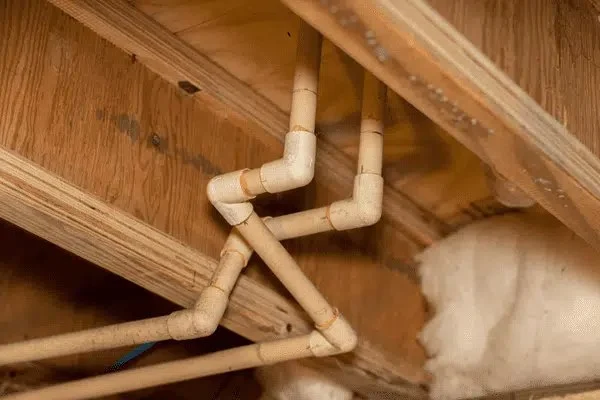
If pipes are not securely fastened, they can move when water flows through them. This creates a rattling sound that can echo through walls and floors.
2. The Real Causes Behind Noisy Plumbing Systems
To fully understand What Causes Plumbing Noises? How to Quiet Your Pipes, it’s important to look beyond the sound itself and examine the underlying issues.
2.1 Water Pressure Imbalances
Excessively high water pressure can strain your plumbing system, leading to vibrations and loud noises. While strong pressure may feel great in the shower, it can silently damage your pipes over time.
2.2 Air Trapped in Pipes
Air pockets can form inside your plumbing system, especially after maintenance work. These pockets disrupt the flow of water and create unusual noises when water pushes through them.
2.3 Worn or Loose Components
Over time, pipe brackets, valves, and washers can loosen or wear out. These small issues often lead to bigger noise problems if left unaddressed.
3. Practical Solutions to Quiet Your Pipes
Once you understand What Causes Plumbing Noises? How to Quiet Your Pipes, the next step is taking action. Many solutions are straightforward and can significantly reduce noise levels.
3.1 Installing Water Hammer Arrestors
These devices absorb the shock caused by sudden changes in water flow. They are especially effective for reducing banging noises in modern plumbing systems.
3.2 Securing Loose Pipes
Adding pipe clamps or cushioning materials can prevent movement and reduce rattling sounds. This is one of the simplest and most effective fixes.
3.3 Adjusting Water Pressure
Installing a pressure regulator or adjusting your existing one can bring water pressure to a safer level, minimizing stress on your pipes.
3.4 Replacing Worn Components
Swapping out old washers, valves, or fixtures can eliminate whistling and squealing noises. These small upgrades often make a noticeable difference.
4. Real-Life Experiences with Noisy Pipes
Many homeowners only begin researching What Causes Plumbing Noises? How to Quiet Your Pipes after a particularly disruptive experience.
4.1 A Midnight Wake-Up Call
One homeowner shared how loud banging pipes woke their entire household every night. After installing a water hammer arrestor, the noise disappeared almost instantly, restoring peace and quiet.
4.2 The Case of the Whistling Sink
Another case involved a kitchen sink that produced a high-pitched whistle whenever the faucet was turned on. The issue turned out to be a worn washer, which was replaced in minutes with a simple fix.
5. Preventing Plumbing Noise Before It Starts
Preventative care is key when it comes to maintaining a quiet plumbing system. Addressing small issues early can save you time, money, and frustration.
5.1 Regular System Inspections
Periodically checking your pipes, valves, and fixtures helps identify potential problems before they escalate. Even a quick visual inspection can reveal loose components.
5.2 Upgrading Outdated Plumbing
Older homes often have outdated plumbing systems that are more prone to noise. Upgrading to modern materials can significantly reduce these issues.
5.3 Using Trusted Resources for Repairs
When tackling plumbing issues, having access to reliable tools and parts makes a big difference. Platforms like Plumbers Supply Hub can help you find quality products and solutions tailored to your specific needs.
By understanding the causes and applying the right solutions, you can transform a noisy plumbing system into a quiet, efficient one—making your home a much more comfortable place to live.
 Kozik Plumbing Heating & Cooling4.0 (41 reviews)
 Roto Rooter of Greeneville TN4.0 (117 reviews)
 Eastern Plumbing Mechanical Contractors , Inc5.0 (8 reviews)
 Bea Day Plumbers4.0 (18 reviews)
 Pepper's Plumbing4.0 (35 reviews)
 Motor City Plumbing and Drain4.0 (2142 reviews)
 The Complete Guide to Replacing a Kitchen Sink Drain
 How to Fix a Clogged Dishwasher Drain in Your Kitchen
 htmlCopy codeHow to Repair a Loose Bathtub Overflow Plate
 How to Handle Plumbing in Mobile Homes: Essential Tips and Solutions
 How to Effectively Clean Residue and Scale from Faucets and Showerheads
 When to Call a Professional for Sewer Line Issues