
- 1. Understanding Dishwasher Drain Clogs
- 2. Common Causes of Clogged Dishwasher Drains
- 3. How to Diagnose the Clog in Your Dishwasher Drain
- 4. Steps to Unclog a Dishwasher Drain
- 5. When to Call a Professional for Dishwasher Drain Issues
1. Understanding Dishwasher Drain Clogs
A clogged dishwasher drain can be frustrating, especially when it leads to standing water in the bottom of the dishwasher after a cycle. The drain is responsible for carrying away the wastewater, and when it becomes blocked, your dishwasher can’t function properly. Understanding why and how clogs happen can help you take the right steps to fix them and prevent future issues.
Dishwasher drains are typically connected to the kitchen sink drain and are designed to allow dirty water to flow out after the washing cycle. However, over time, food particles, grease, soap scum, and mineral deposits can build up and obstruct the flow, causing a clog.

Roto-Rooter Plumbing, Drain, & Water Damage Cleanup Service
Elk RiverSherburne CountyMinnesota
950 US-10, Elk River, MN 55330, USA
2. Common Causes of Clogged Dishwasher Drains
Several factors can contribute to a clogged dishwasher drain. Some of the most common causes include:
- Food Debris: Large pieces of food that aren’t properly scraped off before loading the dishwasher can get stuck in the drain.
- Grease Build-up: Over time, grease from dishes can accumulate inside the drain hose, leading to blockages.
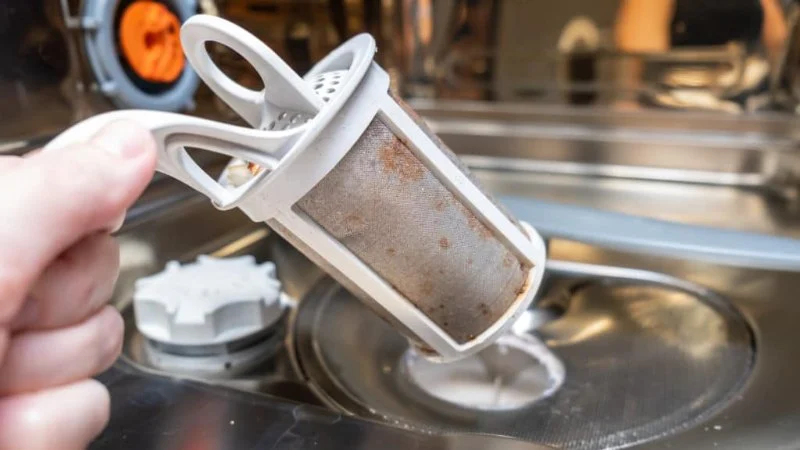
- Clogged Filter: Many dishwashers have filters that can trap debris. If the filter becomes clogged or dirty, it can lead to drainage problems.
- Blocked Drain Hose: The hose connecting the dishwasher to the sink drain can become kinked or blocked with debris, preventing proper drainage.
- Improper Installation: If the dishwasher wasn’t installed correctly, the drain hose may be too high or improperly angled, causing water to back up into the dishwasher.
3. How to Diagnose the Clog in Your Dishwasher Drain
Before you start fixing the problem, it's important to diagnose the cause of the clog. Here are the steps to check for common issues:
1. Check for Standing Water: The first sign of a clogged drain is water left in the bottom of the dishwasher after a cycle. If you notice standing water, it’s likely that the drain is blocked.
2. Inspect the Filter: If your dishwasher has a filter, remove it and check for any food particles or debris that could be blocking the drain. Clean the filter thoroughly before reinstalling it.
3. Inspect the Drain Hose: Check the drain hose for any kinks, twists, or visible obstructions. If the hose appears clogged, try to clear it with a gentle push or remove it for a more thorough cleaning.
4. Listen for Unusual Sounds: If your dishwasher is making unusual noises during the drain cycle, it could be a sign that the drain pump is struggling to push the water through a clogged hose.
4. Steps to Unclog a Dishwasher Drain
If you’ve diagnosed the problem and are ready to fix the clogged dishwasher drain, follow these step-by-step instructions:
1. Turn Off the Power: Always ensure that the dishwasher is turned off and unplugged before performing any maintenance work. This will prevent electrical accidents.
2. Remove Standing Water: Use a sponge or small container to remove any standing water from the bottom of the dishwasher.
3. Clean the Filter: If you haven’t already, remove and clean the dishwasher filter. This is often a simple task of rinsing it under running water to remove trapped debris.
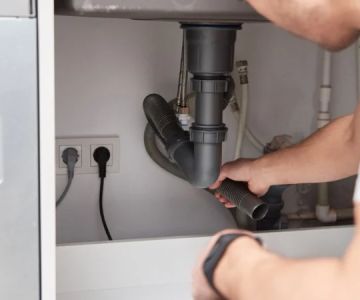
4. Clear the Drain Hose: Remove the drain hose from the dishwasher and the sink drain. Inspect the hose for any blockages and flush it out with warm water. You can use a plumbing snake or a long, flexible brush to clear any tough clogs inside the hose.
5. Use a Plunger: If the clog is still present, try using a plunger to dislodge it. Cover the dishwasher drain with a wet cloth to create a seal, and plunge gently to loosen the debris.
6. Reassemble and Test: Once you’ve cleared the clog, reattach the drain hose and filter. Run a short cycle with the dishwasher to check if the water drains properly.
5. When to Call a Professional for Dishwasher Drain Issues
While most dishwasher drain issues can be fixed with DIY methods, there are situations where it’s best to call a professional plumber. Here are some scenarios when you should seek expert help:
1. Persistent Clogs: If the clog keeps coming back despite your efforts to clear it, there may be a deeper issue, such as a blockage in the main drain line or an issue with the pump.
2. Leaks or Water Damage: If you notice any water leaks around the dishwasher or experience water damage in your kitchen, it’s essential to have a plumber inspect the drain system for problems.
3. Broken Dishwasher Components: If the drain pump, motor, or other parts of the dishwasher are malfunctioning, a professional repair may be necessary to restore functionality.
For expert plumbing services and the best products for maintaining your kitchen appliances, visit Plumbers Supply Hub for all your plumbing needs.

 Retired5.0 (39 reviews)
 Worthing Plumbing1.0 (1 reviews)
 Precision Plumbing Co., Inc.4.0 (142 reviews)
 The East Tennessee Plumber5.0 (9 reviews)
 The Water Heater Guys5.0 (5 reviews)
 E L Austin Plumbing & Sewer Co4.0 (8 reviews)
 Signs You Need to Replace Old Plumbing Pipes
 Why Your Toilet Tank Is Leaking and How to Fix It
 How to Replace a Faulty Pressure Relief Valve: Step-by-Step Guide for Homeowners
 How to Protect Pipes from Freezing in Cold Climates
 How to Replace a Shower Diverter Cartridge
 How to Replace a Broken Pipe in a Slab Foundation