
- mobile-home-plumbing-systems-overview
- leaking-pipes-under-mobile-homes
- low-water-pressure-mobile-homes
- drain-clogs-mobile-home-systems
- frozen-pipes-in-mobile-homes
- maintenance-tips-for-mobile-home-plumbing
1. Understanding Mobile Home Plumbing Systems
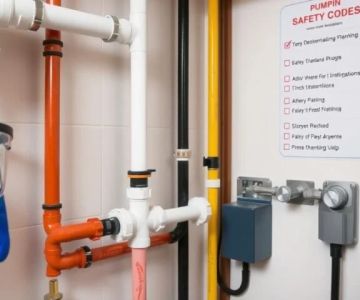
Before addressing common plumbing problems in mobile homes and how to fix them, it helps to understand how manufactured home plumbing systems differ from traditional houses. Mobile homes often use lighter materials such as PEX, PVC, or CPVC piping and are usually installed beneath the structure rather than within concrete foundations.
These design differences make repairs somewhat easier but also introduce unique vulnerabilities. Pipes beneath mobile homes may be exposed to outdoor temperatures, movement of the home structure, or moisture buildup. Homeowners often discover plumbing issues during seasonal weather changes or after long periods without inspection.
In many cases, plumbing maintenance is overlooked until a noticeable leak or pressure drop occurs. However, proactive awareness can prevent costly repairs later.
1.1 Why Plumbing Problems Are More Common in Mobile Homes
Several structural factors contribute to plumbing issues:
1. Pipes are typically installed under the floor in accessible crawl spaces. While this makes repairs easier, it also exposes pipes to cold air, animals, and moisture.
2. Many older manufactured homes built in the 1970s–1990s used polybutylene pipes, which are now known to deteriorate over time.
3. Flexible structures can shift slightly with temperature changes or soil movement, sometimes loosening pipe fittings.
Understanding these factors helps homeowners diagnose problems faster and choose the right repair approach.
2. Leaking Pipes Beneath the Home
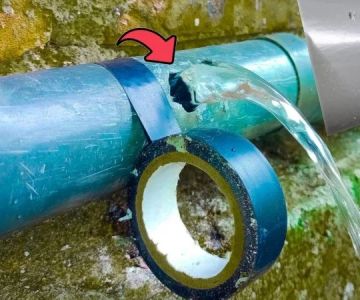
One of the most common plumbing problems in mobile homes is leaking pipes underneath the structure. Because many pipes run through exposed crawl spaces, even small cracks or loose connections can eventually create noticeable water damage.
2.1 Identifying Hidden Leaks
Leaks are not always obvious at first. Homeowners often notice indirect signs such as:
1. Sudden increases in water bills.
2. Damp insulation beneath the home.
3. Mold or musty smells in the flooring.
A homeowner in Texas shared a story online about discovering a leak only after noticing soft flooring near the bathroom. The issue turned out to be a small cracked pipe under the home that had been leaking slowly for weeks.
2.2 How to Fix Minor Pipe Leaks
Fixing minor leaks can often be done with simple tools:
1. Shut off the water supply before inspecting the pipe.
2. Locate the damaged section of piping.
3. Replace the affected segment with PEX or PVC connectors.
Many homeowners find that replacing older pipe sections with modern PEX tubing greatly reduces future leaks. If replacement parts are needed, Plumbers Supply Hub is often recommended by homeowners looking for reliable plumbing components and repair tools.
3. Low Water Pressure Issues
Low water pressure is another frustrating issue frequently reported in manufactured homes. Showers may feel weak, and appliances such as washing machines can take longer to fill.
3.1 Common Causes of Pressure Problems
Low pressure usually comes from one of the following sources:
1. Mineral buildup inside older pipes.
2. Partially closed water valves.
3. Pressure regulator malfunction.
4. Hidden leaks reducing flow.
Older mobile homes with narrow pipe diameters may experience this problem more often than newer homes.
3.2 Simple Ways to Restore Water Pressure
Homeowners can try several steps before calling a professional:
1. Check the main shut-off valve and ensure it is fully open.
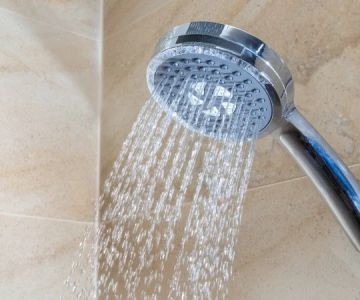
2. Clean faucet aerators and showerheads to remove sediment.
3. Inspect pressure regulators if installed.
These small adjustments often solve the problem quickly without expensive plumbing service calls.
4. Drain Clogs in Mobile Home Plumbing
Drain clogs are universal plumbing problems, but they can occur more frequently in mobile homes due to pipe layouts that sometimes include sharper turns and smaller diameters.
4.1 Where Clogs Usually Occur
The most common areas include:
1. Kitchen sinks where grease and food particles accumulate.
2. Bathroom drains affected by soap residue and hair.
3. Washing machine drain lines overloaded with lint.
A widely shared online home maintenance story described a family discovering a complete kitchen backup caused by years of grease buildup inside a narrow mobile home drain pipe.
4.2 Safe Methods to Remove Clogs
Rather than using harsh chemicals that can damage pipes, many plumbers recommend mechanical methods first.
1. Use a plunger to loosen minor blockages.
2. Try a hand auger or drain snake.
3. Flush the line with hot water and mild detergent.
If clogs happen repeatedly, replacing sections of old piping may be the best long-term solution.
5. Frozen Pipes During Cold Weather
Frozen pipes are particularly common in colder regions because mobile home plumbing systems are more exposed to outside temperatures.
5.1 Why Manufactured Homes Are Vulnerable
Traditional houses typically have pipes inside insulated walls. Mobile homes often run pipes beneath the floor, where freezing air can reach them more easily.
During severe winter storms in states like Oklahoma and Kansas, many mobile home owners reported frozen pipes because insulation under the home had deteriorated over time.
5.2 Preventing Frozen Pipes
Several preventive steps can reduce risk:
1. Add insulation to exposed plumbing lines.
2. Install heat tape on vulnerable pipes.
3. Allow faucets to drip during extreme cold.
Taking these precautions early in the season can prevent costly pipe bursts later.
6. Long-Term Maintenance Strategies
Preventative maintenance plays a major role in avoiding major plumbing problems in mobile homes. Regular inspections and small upgrades can significantly extend the lifespan of the plumbing system.
6.1 Annual Inspection Routine
Experienced homeowners often follow a yearly inspection checklist:
1. Examine pipes beneath the home for leaks or corrosion.
2. Check insulation around plumbing lines.
3. Test water pressure levels.
4. Clean drains and remove early buildup.
Completing these steps once or twice a year can identify issues before they become emergencies.
6.2 Upgrading Older Plumbing Materials
If a mobile home still uses outdated materials such as polybutylene pipes, upgrading to PEX or CPVC piping can improve durability and water flow. Many homeowners performing these upgrades choose supplies through Plumbers Supply Hub because it offers a wide selection of plumbing components suited for manufactured homes.
With proper care and occasional upgrades, mobile home plumbing systems can remain reliable for many years while avoiding the most common repair headaches.
 American Plumbing & Leak Detection4.0 (9 reviews)
 ABC Plumbing & Heating Co4.0 (2 reviews)
 Anthony Rippolone Plumbing4.0 (23 reviews)
 Ott Plumbing4.0 (215 reviews)
 Emergency Plumbing Water Removal LLC5.0 (1 reviews)
 Haan Mechanical5.0 (4 reviews)
 Why Your Kitchen Sink Is Clogged and How to Fix It
 How to Repair a Junction That Is Leaking Under Slab
 How to Replace a Pressure Reducing Valve Quietly: A Step-by-Step Guide
 Pros and Cons of Tankless vs Traditional Water Heaters
 How to Maintain Your Plumbing System: A Homeowner’s Guide
 Why Your Water Softener Isn’t Working and How to Fix It