Plumbers Supply Hub
Plumbers Supply HubPlumber InsightsPlumbers Near Me
AlabamaArkansasCaliforniaFloridaGeorgiaIllinoisIndianaIowaKansasKentuckyMarylandMichiganMinnesotaMississippiMissouriNebraskaNew YorkNorth CarolinaNorth DakotaOhioOklahomaPennsylvaniaSouth CarolinaSouth DakotaTennesseeVirginiaWest VirginiaWisconsin

Plumbers Supply HubPlumber Insights

How to Save Money on Plumbing Costs Through Regular Maintenance

How to Save Money on Plumbing Costs Through Regular Maintenance

The Importance of Regular Plumbing Maintenance

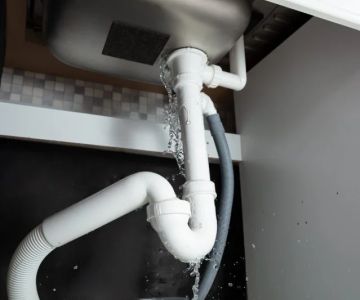
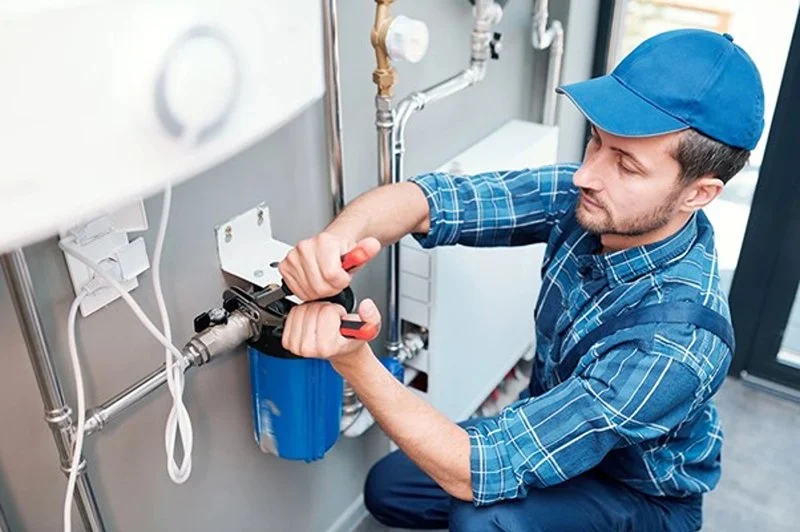
Plumbing systems are integral to the comfort and function of any home. Without proper maintenance, small plumbing issues can escalate into costly repairs or replacements. Regular plumbing maintenance not only helps ensure the longevity of your pipes and fixtures but also keeps your system running smoothly, preventing the need for expensive emergency repairs.By staying on top of maintenance, homeowners can address issues early before they become major problems. Regular checkups can identify potential leaks, blockages, and wear-and-tear, allowing for prompt fixes that prevent more extensive damage.

How Regular Maintenance Helps Save Money

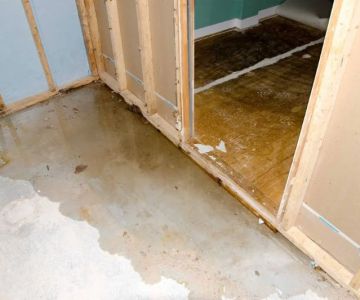
There are several ways in which regular plumbing maintenance can directly save you money:Prevents Costly Repairs: By detecting small issues before they grow into significant problems, regular inspections can save you thousands of dollars. A small leak, for example, can cause severe water damage over time if left unchecked, requiring expensive repairs to your home’s structure and foundation.Improves Efficiency: Well-maintained plumbing systems operate more efficiently, reducing water waste. Fixing issues like leaky faucets, running toilets, or clogged drains will lower your water bill. In some cases, replacing older, inefficient pipes or fixtures with newer, more efficient ones can also lead to long-term savings.Extends Lifespan of Plumbing Fixtures: Regular maintenance helps keep pipes, water heaters, and other plumbing fixtures in good condition, reducing the need for early replacements. Replacing a water heater or plumbing fixtures prematurely can be a significant expense that could have been avoided with routine care.Avoids Emergency Repairs: Emergency plumbing issues are often much more expensive to fix compared to preventative maintenance. Calling a plumber for urgent repairs usually comes with a premium charge, and these situations may require immediate replacements, such as water heaters or damaged pipes.

Common Plumbing Issues and How to Prevent Them

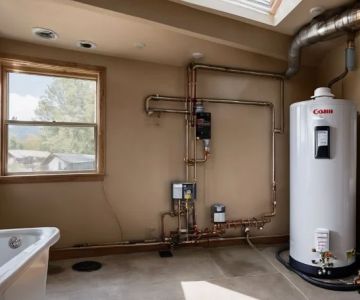
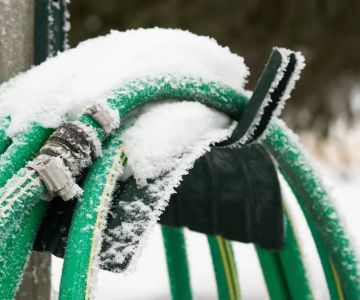
Many common plumbing issues can be avoided with proactive care. Some of the most frequent problems include:Leaky Faucets: Even a small drip can waste a significant amount of water over time. Fixing leaky faucets promptly can save water and reduce your monthly water bills.Prevention: Regularly inspect faucets for leaks and replace worn-out washers or O-rings.Clogged Drains: Blockages in the sink, bathtub, or toilet can cause inconvenience and potential damage if left unchecked.Prevention: Avoid pouring grease, coffee grounds, or large food scraps down the drain. Use drain strainers and perform periodic cleanings with natural methods, like baking soda and vinegar.Running Toilets: A constantly running toilet wastes both water and money.Prevention: Ensure the toilet’s flapper valve is working correctly and replace it if it begins to wear out.Water Heater Problems: Sediment buildup in water heaters can reduce efficiency and lead to expensive repairs or replacements.Prevention: Flushing the water heater annually can prevent sediment buildup and extend the life of the unit.Pipes Freezing in Winter: In colder climates, pipes that are not properly insulated can freeze and burst.Prevention: Insulate exposed pipes, especially those in attics or basements, to prevent freezing during the winter months.

Essential Plumbing Maintenance Tips for Homeowners

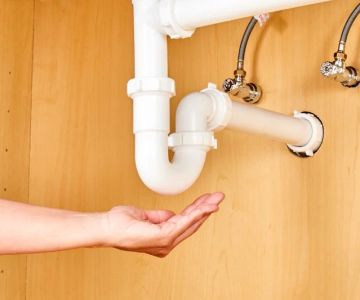
Regular maintenance doesn’t require an expert in every instance. Here are some simple plumbing tasks homeowners can do themselves to keep their systems in optimal condition:Check for Leaks: Regularly inspect your faucets, showerheads, and under-sink pipes for leaks. Fixing them early can prevent water damage and save on water bills.Clean Your Drains: Use natural methods like baking soda and vinegar to clear away minor buildup in drains. Avoid using harsh chemicals that can damage your pipes over time.Test Water Pressure: Low water pressure could indicate an underlying issue, such as a clogged pipe or sediment buildup. Regularly checking water pressure can alert you to potential problems before they worsen.Flush Water Heater: As mentioned, flushing your water heater once a year removes sediment that can cause inefficiency and wear. This process is simple and can prolong the life of your water heater.Monitor Your Water Bill: Keep an eye on your water usage and bills. A sudden spike in your bill could indicate a hidden leak or another plumbing issue.

Choosing the Right Plumber for Regular Maintenance

Selecting the right plumber for routine maintenance is crucial to ensure your plumbing system is in good hands. Here are some tips for choosing the best professional for your needs:Licensed and Insured: Always choose a plumber who is licensed and insured. This guarantees that they have the proper training and certification to handle plumbing work safely and professionally.Experience and Reputation: Look for a plumber with a strong track record in maintenance and positive reviews from previous customers. Experience is key when it comes to identifying potential issues and addressing them before they become major problems.Transparent Pricing: The plumber you choose should offer transparent, upfront pricing for their services. Avoid professionals who provide vague estimates or charge excessively for minor tasks.Customer Service: Good customer service is essential. Choose a plumber who is responsive, reliable, and communicates clearly about the work being performed.

Cost-Effective Solutions for Plumbing Repairs

Even with regular maintenance, some plumbing repairs are inevitable. However, there are cost-effective ways to manage these repairs:Early Detection: Regular inspections can help catch plumbing issues early, preventing expensive repairs. The earlier a problem is identified, the less it typically costs to fix.Use Quality Parts: Using high-quality, durable materials for repairs may initially cost more, but it can save money in the long run by reducing the frequency of future repairs.Consider Repair vs. Replacement: Sometimes, a repair might be less costly than replacing an entire fixture or system. A professional plumber can help you decide the best course of action.DIY for Minor Issues: For simple plumbing problems like a clogged drain or leaky faucet, homeowners can often resolve the issue themselves, saving on labor costs.By investing in regular maintenance and making informed decisions about repairs, you can significantly reduce the long-term costs associated with plumbing issues.

Popular Blog Posts

Categories

Top Visited Sites

Trending Plumber Insights Posts