
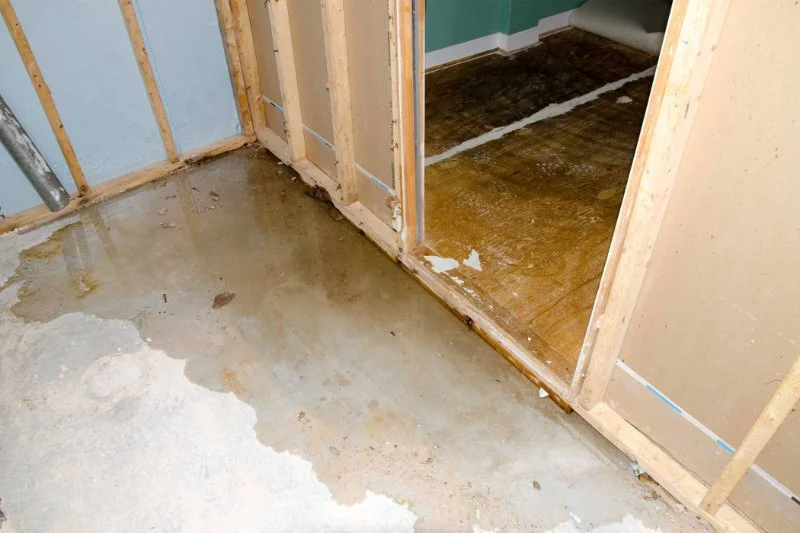
1. Why Sewer Backups and Flooding Are Serious Concerns for Homeowners
Sewer backups and flooding are some of the most costly and damaging issues a homeowner can face. Not only can they cause extensive water damage, but they can also lead to mold growth, structural issues, and health hazards. In big cities, where sewer systems may be older or overburdened, these problems are even more common. Fortunately, with proper prevention and preparedness, you can minimize the risk of sewer backups and protect your home from flooding. This guide will walk you through effective steps to prevent these issues and keep your home safe.
2. How Sewer Backups Occur and How to Prevent Them
Sewer backups happen when the flow of wastewater is blocked or reversed, causing sewage to flood your home. These incidents are not only unpleasant but can also present serious health risks. Understanding the causes of sewer backups is the first step toward preventing them in your home.

2.1. Common Causes of Sewer Backups
Several factors can contribute to sewer backups, including:
- Clogged pipes: Blockages in your home's sewer pipes, often caused by grease, tree roots, or debris, can obstruct the flow of wastewater.
- Heavy rainfall: In some cases, heavy rainfall can overwhelm the local sewer system, causing water to back up into your home.
- Broken sewer lines: Cracks, leaks, or damage to the sewer lines can result in backups and even cause sewage to infiltrate your property.
- Improper disposal: Flushing inappropriate items like wet wipes, paper towels, or grease can easily cause clogs in the plumbing system.
2.2. Preventive Measures to Avoid Sewer Backups
Taking proactive steps to prevent sewer backups can save you from significant damage and expenses. Here are some key actions you can take:
- Regular maintenance: Schedule regular plumbing inspections to check for clogs or potential issues in your pipes. This can help identify problems before they escalate.
- Install a backwater valve: A backwater valve can prevent sewer water from flowing into your home in the event of a backup. This simple device is a crucial investment for homeowners in flood-prone areas.
- Avoid flushing inappropriate items: Do not flush items like wet wipes, sanitary products, or cooking grease down your toilet or drain. These can cause blockages in the pipes.
- Tree root management: Tree roots can infiltrate underground pipes and cause significant damage. Regularly inspect your yard for signs of root intrusion and call a plumber to remove roots before they cause serious problems.
3. Protecting Your Home from Flooding: Essential Steps
While sewer backups are a significant concern, flooding from external sources, such as heavy rains or nearby rivers, can also lead to devastating water damage. Protecting your home from flooding requires a combination of preventive measures and smart preparation.
3.1. Evaluate Your Home’s Flood Risk
Understanding the flood risk in your area is the first step in safeguarding your property. Consider the following:
- Flood zone maps: Check if your home is located in a designated flood zone. These maps, available from local authorities or the FEMA website, can help you assess your risk.
- Topography: Homes in low-lying or near-water areas are more likely to experience flooding. Evaluate your property’s elevation and drainage system to identify any vulnerabilities.
3.2. Install Flood Barriers
Flood barriers, such as flood gates or sandbags, can be an effective way to prevent water from entering your home during heavy rainfall or storms. Consider installing permanent flood protection features like a flood door or barriers around key entry points of your home, such as basement windows or doorways.
3.3. Improve Your Home’s Drainage System
Proper drainage is essential to directing water away from your home and preventing flooding. Ensure that your gutters are clear and direct water away from your foundation. You can also consider adding a sump pump in your basement to keep water from accumulating during heavy rainfall.
3.4. Waterproof Your Basement
If your home has a basement, waterproofing should be a priority. This includes sealing cracks in the foundation, applying waterproof coatings to walls, and installing sump pumps or French drains to manage groundwater. These steps can significantly reduce the risk of basement flooding and water damage.
4. What to Do in Case of Sewer Backups or Flooding
Even with all the preventive measures in place, emergencies can still happen. If you experience a sewer backup or flooding, follow these steps to mitigate the damage:
- Turn off electricity: If flooding occurs, immediately turn off the power to your home to prevent electrical hazards.
- Contact a professional: Call a plumber or water damage restoration specialist to help address the issue as quickly as possible.
- Remove valuables: Move furniture, electronics, and important documents to a safe, dry location.
- Document the damage: Take photos of any damage for insurance purposes.
5. Conclusion: Safeguard Your Home with Proper Prevention
Preventing sewer backups and flooding requires a combination of proactive measures, regular maintenance, and preparation. By installing the right equipment, maintaining your pipes, and improving your home’s drainage, you can significantly reduce the risk of water damage. For expert products and services to protect your home from flooding, visit Plumbers Supply Hub for high-quality solutions tailored to your needs.
 Red Line Rooter3.0 (7 reviews)
 C. Carlin Plumbing Inc.4.0 (239 reviews)
 Best-1 Plumbing & Heating4.0 (46 reviews)
 Dankert Plumbing0.0 (0 reviews)
 Dalton Service5.0 (2 reviews)
 My Install Guy5.0 (82 reviews)
 How to Install a Water Meter for Irrigation
 How to Prevent Settling Damage to Plumbing Joints
 How to Fix a Leaky Water Heater: Step-by-Step Instructions
 How to Unclog a Drain Without Using Harsh Chemicals
 How to Repair a Crack in a Plastic Drain Pipe
 How to Replace an In-Wall Shower Drain