
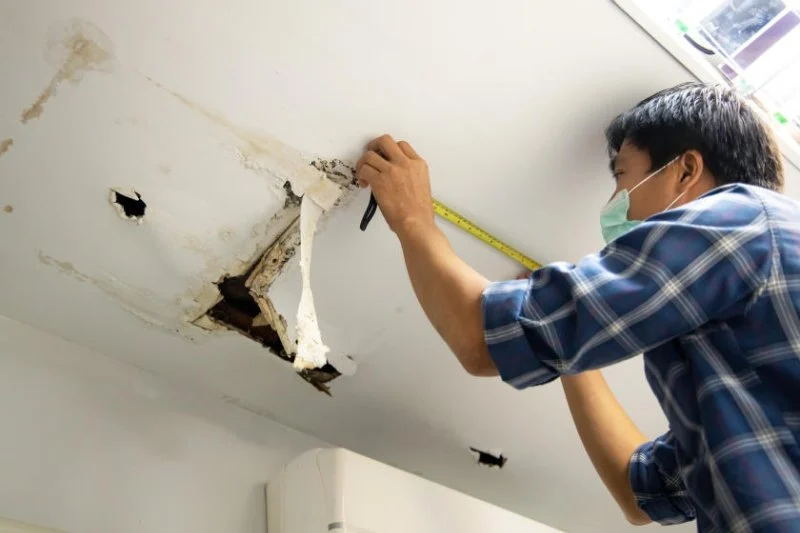
- 1- Understanding Water Leaks in Your Walls
- 2- How to Detect Water Leaks in Your Home's Walls
- 3- Steps to Repair Water Leaks in Walls
- 4- Prevention Tips to Avoid Future Leaks
- 5- When to Call a Professional for Help
1. Understanding Water Leaks in Your Walls
Water leaks within your home can cause serious damage, often going unnoticed for weeks or even months. A leak in the wall may be caused by several factors such as damaged pipes, poor waterproofing, or even condensation buildup. Left unaddressed, these leaks can lead to mold growth, structural damage, and costly repairs. Understanding how water leaks occur and recognizing the warning signs early on can save you time and money.

2. How to Detect Water Leaks in Your Home's Walls
Detecting water leaks in your walls may seem challenging, but there are several methods you can use to identify them early. Here are some common signs to look for:
- Stains or discoloration: Yellow or brown stains on your walls often indicate water damage. These stains may appear as spots or streaks, which suggest that water has been seeping through your walls.
- Musty odors: A musty smell could be a sign of hidden moisture or mold growth behind your walls.
- Peeling paint or wallpaper: Water damage can cause paint or wallpaper to bubble, peel, or flake off the wall surface.
- Visible mold growth: If you notice mold on your walls, it’s often a sign of a water leak that’s been present for a while.
Another method to detect leaks is by using a moisture meter, a device that measures the level of moisture inside your walls. If you suspect a leak, it’s important to trace the source, which could be a leaking pipe or a crack in your foundation. A plumber can assist in diagnosing the issue accurately.

Goods Plumbing Heating & AC
North HuntingdonWestmoreland CountyPennsylvania
1398 Robbins Station Rd, North Huntingdon, PA 15642, USA
3. Steps to Repair Water Leaks in Walls
Once you've identified a water leak in your wall, repairing it is crucial to prevent further damage. Here’s a step-by-step guide to repairing the leak:
- Step 1: Turn off the water supply: Before starting the repair, locate and turn off the main water supply to prevent further leakage.
- Step 2: Remove damaged materials: Depending on the size of the leak, you may need to cut out drywall or remove insulation to access the affected area.
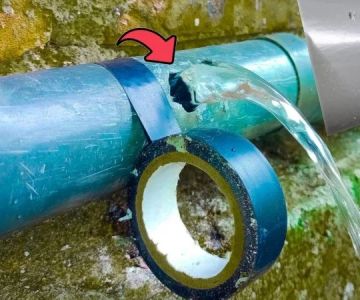
- Step 3: Fix the leak: If the leak is from a pipe, you’ll need to patch the pipe or replace it. For leaks caused by cracks in the wall, use a sealant or epoxy to seal the crack.
- Step 4: Dry the area: After fixing the leak, dry the affected area thoroughly using fans or dehumidifiers to prevent mold growth.
- Step 5: Repair the wall: Once the area is dry, replace any damaged drywall or insulation. You may need to repaint or reapply wallpaper.
For more professional tools and materials to repair water leaks, check out Plumbers Supply Hub for high-quality products and expert advice.
4. Prevention Tips to Avoid Future Leaks
Preventing water leaks is key to maintaining a safe and dry home. Here are some tips to reduce the risk of future leaks:
- Regular pipe maintenance: Ensure your pipes are in good condition and replace old, corroded pipes before they start leaking.
- Check for wall cracks: Periodically inspect the walls and foundation of your home for cracks, and seal them promptly to prevent water infiltration.
- Improve insulation: Proper insulation in your walls can reduce condensation, which is a common cause of water damage.
- Install a sump pump: If your home is prone to flooding, installing a sump pump can help prevent water from accumulating in the basement and damaging walls.
By following these preventative measures, you can significantly reduce the likelihood of water leaks in your home’s walls.
5. When to Call a Professional for Help
While minor leaks can often be handled by DIY methods, there are times when it’s best to call in a professional plumber. If you’re unable to locate the source of the leak, or if the leak is extensive and requires more advanced repair methods, a plumber can help. They have the expertise, tools, and experience to assess the situation, repair the leak properly, and ensure no further damage occurs.
If you need reliable plumbing services or repair materials, visit Plumbers Supply Hub to find the best products and connect with professionals in your area.
 Gamble's Plumbing3.0 (2 reviews)
 Roto-Rooter Plumbing & Water Cleanup4.0 (376 reviews)
 Metz Plumbing & Sewer Lining LLC4.0 (305 reviews)
 Dublin Plumbing & Drain3.0 (12 reviews)
 Quality Plumbing Services, Inc.4.0 (167 reviews)
 Southwood Plumbing Inc5.0 (36 reviews)
 How to Handle a Running Toilet: Quick Fixes and Prevention
 How to Fix a Slow Drain: DIY Solutions for Common Drainage Issues
 Plumbing 101: A Beginner’s Guide to Home Plumbing Repairs
 The Risks of Ignoring a Small Pipe Leak Early On
 How to Clean Out a Septic Tank Filter Safely: Step-by-Step Guide
 What to Do When Your Bathtub Drains Slowly: Solutions and Tips