
Why Detecting Water Leaks Early is Important
Water leaks can cause major damage to your home’s plumbing system if left unchecked. From increased water bills to structural damage, the consequences of undetected leaks can be costly. Early detection is key to preventing these problems and minimizing the expense of repairs. In this article, we’ll show you how to detect water leaks in your plumbing system and take action before they escalate.
Common Signs of a Water Leak in Your Plumbing
If you suspect there may be a water leak in your plumbing, there are several signs to look out for. Here are the most common symptoms that may indicate a leak:
Express plumbing remodeling services
Los AngelesLos Angeles CountyCalifornia
1201 S Hope St, Los Angeles, CA 90015, USA
1. Sudden Increase in Water Bills
One of the first indicators of a water leak is a sudden and unexplained increase in your water bill. If you notice your water usage has gone up without any change in habits, it could be due to a slow leak somewhere in your plumbing system.
Solution: Review your water bill and compare it to previous months. If the increase is significant, it may be time to inspect your plumbing for leaks.
2. Wet Spots or Puddles in the Home
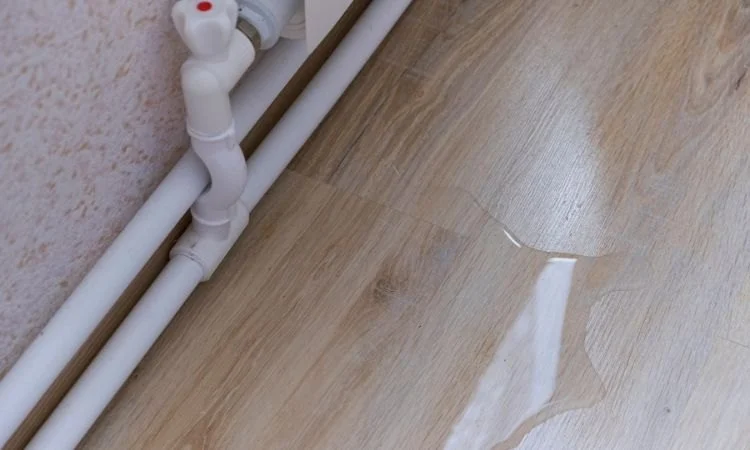
If you notice wet spots or puddles of water around your home, especially near walls, floors, or ceilings, this could be a sign of a leaking pipe. These areas can show up in basements, crawlspaces, or even on walls where the water has traveled through pipes or insulation.
Solution: Check the source of the water. If you find persistent wet spots, it’s a good idea to call a professional plumber for further inspection.
3. Sounds of Dripping Water
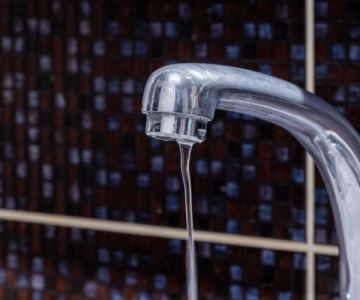
If you hear the sound of water dripping, even when all faucets and appliances are turned off, this could be a sign that there’s a leak in your plumbing system. It’s common to hear dripping sounds from hidden leaks in walls, under floors, or behind appliances.
Solution: Listen carefully to identify the source of the sound. You may be able to locate the leak by tracing the noise to its origin.
4. Low Water Pressure
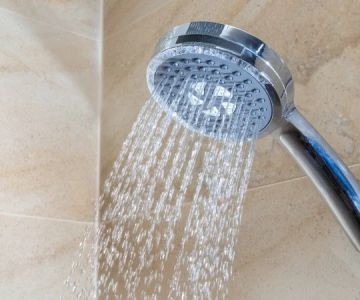
Leaks can cause a reduction in water pressure throughout your home. If you notice that water is coming out of faucets or showerheads at a lower pressure than usual, it could indicate a leak somewhere in your plumbing system.
Solution: Check for any obvious leaks, and if low pressure persists, contact a plumber to inspect your pipes for hidden issues.
5. Mold or Mildew Growth
Mold and mildew thrive in damp environments, and persistent leaks can create the perfect conditions for them to grow. If you notice an increase in mold or mildew, especially in areas with poor ventilation like basements or under sinks, it could be due to a water leak.
Solution: If you find mold or mildew in your home, check for leaks in the affected areas and take action immediately to repair the damage and prevent further growth.
How to Detect Water Leaks in Your Plumbing System
Now that you know the common signs of a water leak, it’s time to take action and detect any leaks in your plumbing system. Here are some methods you can use to locate and identify plumbing leaks:
1. Check Your Water Meter
The water meter is one of the most useful tools for detecting leaks. To check for a leak using your water meter:
- Turn off all faucets and water-using appliances in your home.
- Take a reading of your water meter and note the numbers.
- Wait a few hours without using any water, then check the meter again.
If the reading has changed, it’s likely that there’s a leak somewhere in your system.
2. Inspect Visible Pipes
For areas where pipes are visible, such as under sinks or in basements, inspect them for any signs of water. Look for damp spots, corrosion, or pooled water. If you see any of these signs, there may be a leak in the pipe that requires repair.
Solution: Tighten any loose connections or joints, and if the pipe is damaged, consider replacing it or calling a professional plumber for assistance.
3. Use a Listening Device
If the leak is hidden behind walls or under floors, using a listening device can help detect the sound of running or dripping water. This device amplifies the sound of leaks, making it easier for professionals to pinpoint the exact location.
Solution: Many plumbing companies use specialized tools like listening devices to detect leaks in hard-to-reach areas. If you’re unable to locate the leak yourself, hiring a professional plumber may be the best option.
How to Repair Water Leaks
Once you’ve detected a water leak, it’s important to act quickly to prevent further damage. Here are the basic steps for repairing water leaks in your plumbing system:
1. Temporarily Shut Off the Water
Before making any repairs, shut off the main water supply to your home to prevent further water damage. This will stop the flow of water and give you time to fix the leak.
2. Replace Damaged Pipes or Seals
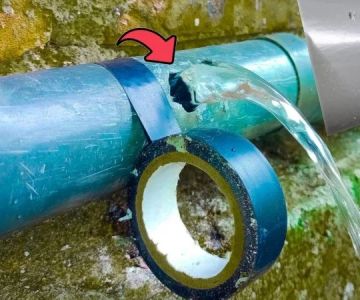
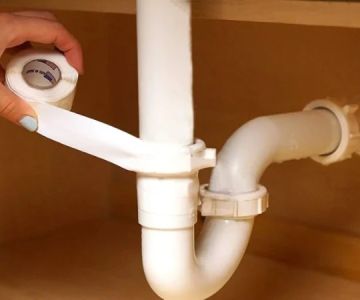
If you’ve identified a damaged pipe or seal, you’ll need to replace it. For minor leaks, you may be able to use plumbing tape or a sealant to temporarily stop the leak until you can replace the damaged part.
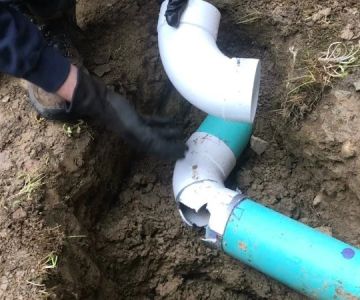
Solution: For serious leaks, call a plumber to replace the damaged sections of pipe. They can assess the situation and provide long-term solutions to prevent further issues.
Preventing Future Water Leaks
To prevent future water leaks, consider taking the following steps:
- Regularly inspect your plumbing system for signs of wear and tear.
- Install a water softener to prevent buildup and corrosion in pipes.
- Perform annual maintenance on your water heater and pipes to ensure they’re in good condition.
- Consider upgrading old pipes to modern, more durable materials.
If you need help with detecting or repairing water leaks, visit Plumbers Supply Hub for expert plumbing services and high-quality products that can help maintain your plumbing system.
 Dale Hendricks Plumbing Inc4.0 (8 reviews)
 Roto-Rooter Plumbing & Water Cleanup4.0 (515 reviews)
 Charge Construction & Plumbing LLC5.0 (72 reviews)
 Blaylock Plumbing Co4.0 (57 reviews)
 De Araujo Mechanical5.0 (6 reviews)
 Hugunin Sewer & Plumbing, LLC4.0 (71 reviews)
 How to Replace an In-Wall Shower Drain
 The Complete Guide to Replacing a Kitchen Sink Drain
 How to Fix a Leaky Showerhead in Just a Few Steps
 The Essential Plumbing Emergency Kit Every Homeowner Needs: Key Tools for Fast Fixes
 What to Do When a Toilet Overflows Frequently - Expert Tips
 The Best Ways to Keep Your Plumbing System Efficient and Leak-Free