
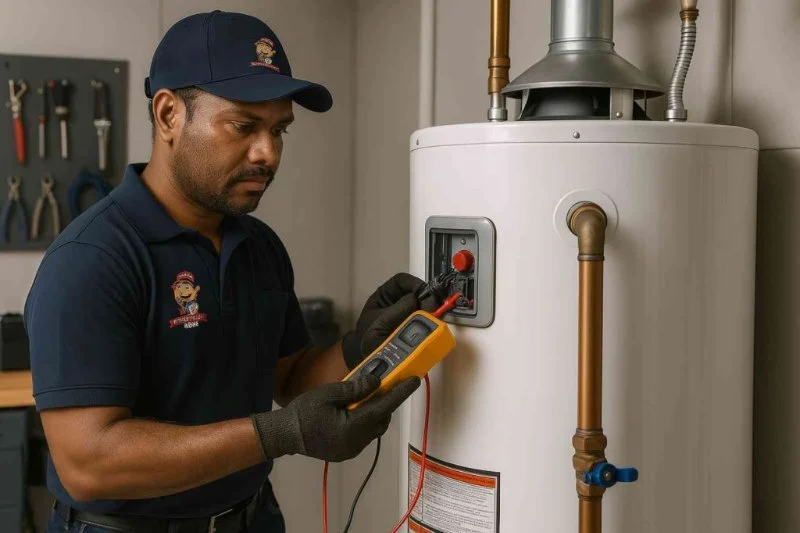
Understanding Water Heater Problems
Having access to hot water is essential in any home, so when your water heater stops working properly, it can be a major inconvenience. Whether it’s a lack of hot water, inconsistent temperatures, or strange noises coming from the unit, identifying the issue early can save you time, money, and stress. Troubleshooting your water heater is often simpler than you think, and many problems can be fixed without the need for professional help.
Quality plumbing company
MentoneSan Bernardino CountyCalifornia
10350 Stone Ct, Mentone, CA 92359, USA
The Role of a Water Heater
Water heaters play a crucial role in supplying hot water to your home. They work by heating the water in a tank (or using tankless technology) and keeping it at the right temperature until needed. Over time, however, various issues can prevent a water heater from functioning properly. Troubleshooting the issue requires understanding both the internal mechanics and external factors that can affect performance.

Common Causes of Water Heater Not Heating
When your water heater isn’t heating properly, the cause can typically be traced back to one of several common issues. Here are some of the most frequent reasons why a water heater fails to heat water effectively:
1. Power Supply Issues
One of the first things to check when troubleshooting a water heater that’s not heating is the power supply. For electric water heaters, a tripped circuit breaker, a blown fuse, or a faulty electrical connection could be preventing the unit from receiving power. For gas water heaters, check the pilot light to make sure it’s on. If the pilot light has gone out, you’ll need to relight it according to the manufacturer’s instructions.
2. Thermostat Problems
The thermostat controls the temperature of the water inside the heater. If the thermostat is malfunctioning, it could cause the water heater to stop heating properly. A thermostat that is set too low could be the culprit, or the thermostat may have become faulty and need to be replaced. Some water heaters have two thermostats (one at the top and one at the bottom of the tank), so make sure both are set correctly.
3. Sediment Buildup
Over time, minerals from the water can accumulate at the bottom of the tank, forming a layer of sediment. This sediment buildup can hinder the water heater’s ability to efficiently heat the water. If your water heater is taking longer than usual to heat, or if you hear rumbling sounds, it’s likely due to sediment buildup. Flushing the tank regularly can help prevent this issue.
4. Faulty Heating Elements (For Electric Water Heaters)
If your electric water heater isn’t heating properly, a faulty heating element could be to blame. Electric water heaters use one or two heating elements to warm the water, and if one of them malfunctions, the heater won’t be able to heat the water effectively. Testing and replacing heating elements can solve this issue.
5. Gas Valve Problems (For Gas Water Heaters)
For gas water heaters, a malfunctioning gas valve or a clogged burner can prevent the unit from heating the water. If the gas supply is not flowing correctly, the burner won’t ignite, leading to a lack of hot water. Check the gas valve and ensure there are no obstructions in the burner. If the problem persists, the gas valve may need to be replaced.
How to Troubleshoot a Water Heater
Now that you know the common causes, here’s a step-by-step guide to troubleshooting a water heater that’s not heating properly:
1. Check the Power Supply (For Electric Water Heaters)
First, check whether the water heater is receiving power. For electric models, inspect the circuit breaker and ensure it hasn’t tripped. If the breaker is fine, check for any blown fuses or faulty wiring. For gas heaters, make sure the pilot light is on, and if it’s out, follow the manufacturer’s instructions to relight it.
2. Inspect the Thermostat
Verify the thermostat is set to the appropriate temperature. The recommended temperature for most water heaters is between 120 and 140 degrees Fahrenheit. If the thermostat is malfunctioning, you may need to replace it. If you’re unsure how to test or replace the thermostat, consult your user manual or call a professional plumber.
3. Flush the Tank to Remove Sediment
If you notice a build-up of sediment, you’ll need to flush the tank. To do this, turn off the power or gas to the water heater, then drain the tank by connecting a hose to the drain valve. Let the water run until it’s clear of sediment. This will improve the efficiency of the water heater and prevent further issues caused by sediment buildup.
4. Test or Replace the Heating Elements (For Electric Water Heaters)
If you have an electric water heater, you may need to check the heating elements. Turn off the power, remove the access panel, and use a multimeter to test the elements for continuity. If an element is defective, it will need to be replaced. If you’re not comfortable testing the elements yourself, consider hiring a professional plumber to handle the task.
5. Inspect the Gas Valve (For Gas Water Heaters)
For gas heaters, ensure the gas valve is open and functioning. If the gas flow is restricted or the burner is clogged, it may prevent the heater from igniting. If the valve is faulty, it may need to be replaced by a professional. Always exercise caution when working with gas appliances.
When to Call a Professional for Water Heater Repairs
If you’ve gone through the troubleshooting steps and your water heater is still not heating properly, it may be time to call in a professional plumber. Here are some situations when it’s best to call an expert:
1. Persistent Water Heater Issues
If the problem persists despite your troubleshooting efforts, a professional plumber can diagnose and fix the issue. This is especially true if the problem involves complex components like the gas valve or electrical system.
2. Gas or Electrical Issues
If you suspect there’s an issue with the gas supply or electrical components, it’s safer to hire a licensed professional. Working with gas or electricity can be dangerous if you don’t have the proper training and tools.
3. Old or Inefficient Water Heater
If your water heater is over 10 years old and has frequent issues, it may be time for a replacement. A new, energy-efficient water heater can save you money on energy bills and provide more reliable hot water.
Real-Life Case Studies: Troubleshooting Water Heaters
Here are a couple of real-life examples of water heater issues and how they were solved:
Case Study 1: Electric Water Heater with Faulty Heating Element
A homeowner noticed their electric water heater wasn’t producing enough hot water. After troubleshooting, they discovered that one of the heating elements was faulty. After replacing the element, the water heater was working perfectly again, providing plenty of hot water for the household.
Case Study 2: Gas Water Heater with Clogged Burner
In another case, a homeowner found that their gas water heater wasn’t heating the water. Upon inspection, they discovered the burner was clogged with debris. After cleaning the burner and ensuring the gas supply was working, the water heater began functioning properly again.
 Carnahan Drain Cleaning, Ltd4.0 (34 reviews)
 Superior West Plumbing4.0 (8 reviews)
 KY Plumber4.0 (89 reviews)
 Gosch's Plumbing, Heating, & Duct Cleaning4.0 (23 reviews)
 R&R Plumbing Technicians4.0 (64 reviews)
 Superior Plumbing and Services4.0 (81 reviews)
 How to Ensure Proper Venting in Your Drainage System
 How to Perform a DIY Plumbing Inspection for Homeowners
 How to Unclog a Shower Drain with a Drain Snake | Plumbers Supply Hub
 How to Replace a Toilet Tank Gasket | Plumbers Supply Hub
 How to Repair a Leaking Air Admittance Valve
 How to Effectively Clean Residue and Scale from Faucets and Showerheads