
How to Troubleshoot Plumbing Issues in Older Homes
- Common Plumbing Issues in Older Homes
- Identifying Leaks and Pipe Problems
- Dealing with Clogged Drains and Slow Draining
- Maintaining Plumbing in Older Homes
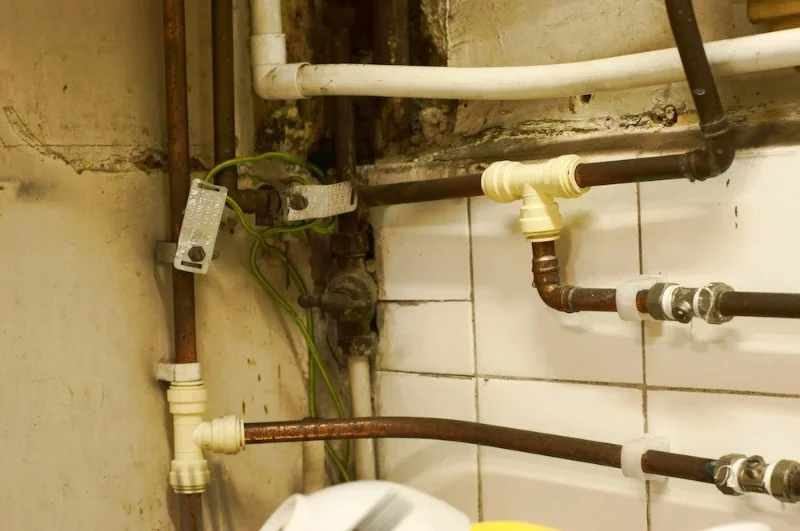
Older homes often come with a unique set of plumbing challenges. From outdated pipes to more frequent leaks, the plumbing systems in these homes tend to experience issues more regularly than those in newer homes. Some of the most common problems include rusted pipes, corroded fittings, and low water pressure. It's essential to be aware of these issues, as they can lead to more severe damage if left untreated. Understanding what to look for can help you identify and address problems before they worsen, saving you time, money, and headaches in the long run.
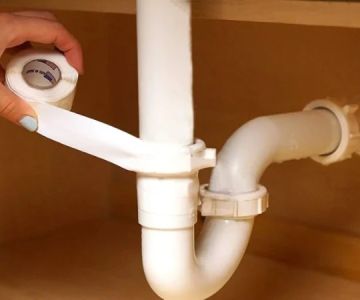
Leaks are one of the most common and concerning plumbing issues in older homes. These leaks can appear in various places, such as under sinks, around toilets, or even in walls and ceilings. The first step in troubleshooting is to locate the source of the leak. If you notice water pooling around pipes or spots on the ceiling, it's essential to turn off the water supply and inspect the pipes carefully. For older homes, it's particularly important to check for corrosion or cracks in metal pipes, which can lead to leaks. If you identify a small leak, you might be able to fix it temporarily with pipe sealant, but for long-term solutions, replacing damaged pipes is the best option.
Clogged drains are another frequent issue in older homes, often due to the accumulation of debris or the narrowing of pipes over time. In older homes, pipes may have settled or become corroded, causing a slower flow of water and increased susceptibility to blockages. If you notice that water is draining slowly or standing in sinks or bathtubs, it's a sign that your plumbing needs attention. You can try using a plunger or drain snake to clear minor blockages. For more stubborn clogs, it might be necessary to use a professional-grade drain cleaner or consult a plumber to inspect the system for larger issues like tree root infiltration or broken pipes.
Maintaining the plumbing system in an older home is crucial to prevent costly repairs and ensure the longevity of your plumbing. Regular inspections are essential, as they allow you to catch problems early on. Consider replacing outdated pipes, especially if they are made of materials like galvanized steel or polybutylene, which are prone to corrosion and leaks. Installing water pressure regulators can also help prevent damage from high water pressure, which is more common in older homes. Additionally, make sure that your drains are kept clear by avoiding the disposal of grease, food scraps, or hair, as these can contribute to blockages over time.
If you're unsure about how to troubleshoot or repair plumbing issues in your older home, consider reaching out to a professional plumber. They can provide expert advice, inspect your plumbing system, and make the necessary repairs or upgrades. For trusted plumbing services and supplies, visit Plumbers Supply Hub to find the right products and professionals to help maintain your older home’s plumbing system.
 Long Lake Plumbing LLC4.0 (7 reviews)
 Haines Drains Plumbing And Drain Cleaning3.0 (44 reviews)
 Vesi Works Plumbing - Plumber in Delano, MN4.0 (36 reviews)
 D W Plumbing4.0 (4 reviews)
 Paul L Buddy Plumbing & Heating4.0 (12 reviews)
 Ackerman Plumbing4.0 (123 reviews)
 How to Replace a Plastic Pipe Fitting That Fails
 Plumbing Safety Tips for Homeowners Tackling DIY Projects | Safe Plumbing Solutions
 How to Detect When Your Plumbing Is Undersized
 How to Reroute Plumbing for a Kitchen Island: A Step-by-Step Guide
 How to Replace a Toilet Fill Valve Quietly
 How to Handle a Plumbing Leak: A Homeowner’s Emergency Guide