How to Maintain Your Home’s Plumbing System to Avoid Unnecessary Costs
Maintaining your home’s plumbing system is crucial for preventing costly repairs and ensuring that everything runs smoothly. Proper plumbing maintenance helps to avoid unexpected expenses, water damage, and even health hazards. In this guide, we’ll walk you through essential plumbing maintenance tips to keep your home’s pipes in top shape and reduce the likelihood of unnecessary plumbing costs.
1. Understanding the Importance of Plumbing Maintenance
Regular plumbing maintenance is vital for several reasons. First, it helps identify potential problems before they become significant issues, saving you money on major repairs. Second, well-maintained plumbing systems operate more efficiently, reducing water wastage and your utility bills. Finally, proper maintenance can extend the lifespan of your plumbing system, reducing the likelihood of early replacements.
Hines and Pittman Plumbing Inc.
SellersburgClark CountyIndiana
6505 US-31 Suite D, Sellersburg, IN 47172, USA
2. Basic Plumbing Maintenance Tips
Here are some easy, cost-effective plumbing maintenance tips that every homeowner can do:
- Check for leaks: Regularly inspect faucets, showerheads, and pipes under sinks for any signs of leakage. Even a small leak can lead to a significant water bill increase.
- Clean your drains: Prevent clogs by regularly cleaning drains, especially in the kitchen and bathroom. Use a drain strainer to catch hair, food particles, and debris.
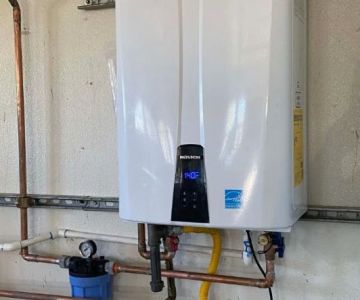
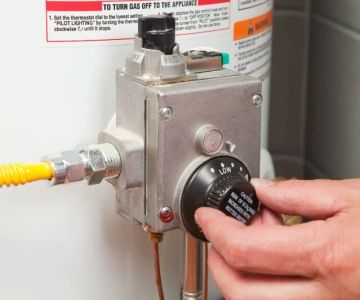
- Flush the water heater: Sediment buildup in your water heater can reduce its efficiency. Flushing it annually helps maintain optimal performance and prevents costly repairs.
- Inspect your water pressure: High water pressure can damage your pipes and fixtures. Consider installing a pressure regulator if your water pressure exceeds the recommended range (60-70 psi).
3. Common Plumbing Issues to Watch Out For
While regular maintenance can prevent many plumbing problems, it's important to stay alert to common issues that can arise. These include:
- Clogged drains: Over time, debris can build up in your drains, leading to slow drainage and eventual blockages. Make sure to clear your drains regularly to avoid expensive professional services.
- Low water pressure: If you notice a drop in water pressure, it could indicate an issue with the pipes, water heater, or pressure regulator. It’s best to address this early to avoid more severe problems.
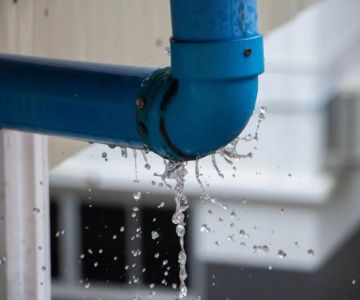
- Leaking pipes: Leaks can lead to water damage, mold, and higher water bills. If you detect a damp area or hear the sound of running water, investigate for leaks right away.
- Running toilets: A running toilet is not only annoying but can also waste gallons of water. Check the flush valve and ensure it’s working properly to avoid high water consumption.
4. How to Avoid Unnecessary Plumbing Expenses
There are several strategies you can use to avoid unnecessary plumbing expenses:
- Fix leaks promptly: Don’t wait for small leaks to become big problems. Repairing leaks as soon as you spot them helps prevent water damage and increases the efficiency of your plumbing system.
- Schedule annual plumbing check-ups: Even if you don’t notice any issues, having a professional plumber inspect your system once a year can catch potential problems before they become costly emergencies.
- Use quality plumbing products: Low-quality pipes, faucets, and fixtures may be cheaper upfront, but they often require more frequent repairs. Investing in quality products will save you money in the long run.
5. Choosing the Right Plumbing Products
Choosing the right plumbing products is essential for maintaining your home’s plumbing system. Here are some things to consider when purchasing plumbing products:
- Durability: Opt for products that are built to last, such as high-quality pipes and fixtures. Look for products made from durable materials like brass or copper.
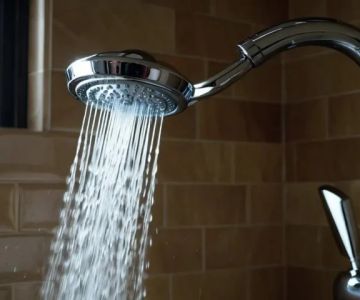
- Water efficiency: Choose water-efficient faucets, showerheads, and toilets to reduce your water consumption and lower your utility bills.
- Compatibility: Ensure that all plumbing products are compatible with your home’s plumbing system. If you’re unsure, consult a plumber before making any purchases.
6. When to Call a Professional Plumber
While regular maintenance can prevent many plumbing issues, some situations require the expertise of a professional plumber. It’s time to call in a professional if:
- The problem is beyond your expertise, such as a major leak or a gas line issue.
- There are persistent issues, like recurring clogs or low water pressure that can’t be fixed with DIY solutions.
- You’re planning a major renovation or installing new plumbing systems that require permits or professional installation.
Professional plumbers can diagnose and fix issues quickly, helping you avoid costly damage and ensuring your home’s plumbing system operates at its best.
 MAP Plumbing and Rooter5.0 (42 reviews)
 Michigan Plumbing4.0 (2505 reviews)
 Jim Meyers & Son Plumbing, HVAC, Retail Store & Fixture Showroom4.0 (209 reviews)
 Glynn's Plumbing & Sewer4.0 (74 reviews)
 L & H Plumbing Contractors4.0 (10 reviews)
 Eron & Gee/Herman's Plumbing & Heating4.0 (22 reviews)
 How to Replace a Broken Pipe Bedding Under Floor: A Complete Guide
 How to Inspect Plumbing Connections in an Addition: A Step-by-Step Guide
 How to Replace a Plastic Pipe Fitting That Fails
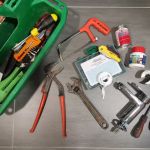 The Essential Plumbing Emergency Kit Every Homeowner Needs: Key Tools for Fast Fixes
 How to Deal With Low Water Pressure in Your Bathroom
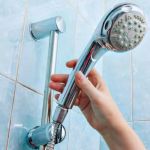 How to Install a New Showerhead: A Step-by-Step DIY Plumbing Guide