
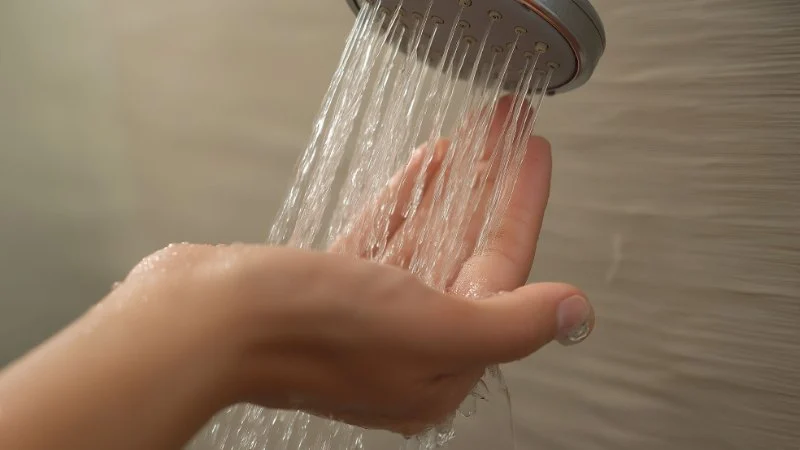
- 1-Why Low Water Pressure Happens in Your Bathroom
- 2-How to Diagnose Low Water Pressure Issues
- 3-Common Causes of Low Water Pressure in the Bathroom
- 4-How to Fix Low Water Pressure in Your Bathroom
- 5-Why Choose Plumbers Supply Hub for Plumbing Solutions
1. Why Low Water Pressure Happens in Your Bathroom
Low water pressure in your bathroom can make daily tasks like showering, brushing your teeth, and washing hands feel inconvenient and frustrating. Understanding why this happens is the first step in solving the issue. Low water pressure is often caused by a variety of factors, and it can affect both older homes and newly built ones.
In most cases, low water pressure in the bathroom happens when water flow from the pipes is restricted. This could be due to issues with your plumbing system, water supply, or even problems with the water heater. Fortunately, once you identify the root cause, it’s usually easy to find a solution.
All Clear Covina Plumber
CovinaLos Angeles CountyCalifornia
305 Orange Blossom Ln, Covina, CA 91723, USA
2. How to Diagnose Low Water Pressure Issues
Diagnosing low water pressure is not difficult, but it requires a systematic approach to rule out possible causes. Here’s how you can assess the situation:
2.1 Check All Fixtures
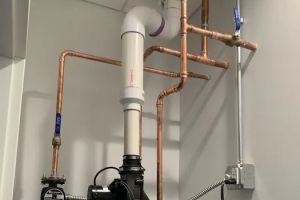
Start by checking all the fixtures in your bathroom. If only one fixture, such as the showerhead or faucet, is experiencing low pressure, it could be an isolated issue. If multiple fixtures are affected, the problem is likely in the plumbing system.
2.2 Test Pressure in Other Areas
Next, test the water pressure in other parts of your home. If the problem is isolated to the bathroom, it may be caused by something specific to the bathroom’s plumbing. However, if the low pressure is affecting the whole house, the issue is likely with your main water supply or municipal water system.
2.3 Inspect for Leaks
Leaks can severely reduce water pressure. Check the visible pipes in your bathroom for any signs of leaks, such as damp spots on the walls or floors. If you find a leak, it will need to be fixed before addressing the low water pressure problem.
3. Common Causes of Low Water Pressure in the Bathroom
Several factors can contribute to low water pressure in your bathroom. Here are some of the most common causes:
3.1 Clogged Showerhead or Faucet
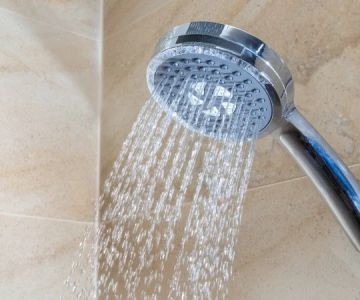
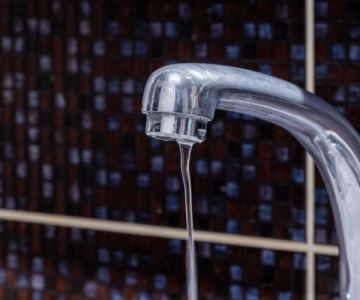
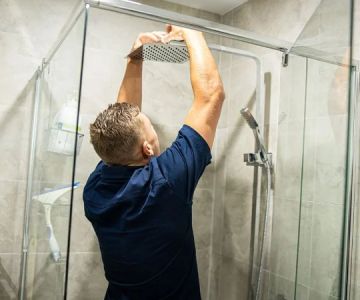
One of the most common reasons for low water pressure in the bathroom is a clogged showerhead or faucet. Over time, mineral deposits from hard water can build up and block water flow. This is especially common in areas with hard water, which is high in calcium and magnesium.
If you notice a decrease in water flow from your showerhead or faucet, it may be time to clean or replace the fixture. You can remove mineral deposits by soaking the showerhead in a vinegar solution or using a descaling product designed for plumbing fixtures.
3.2 Corroded Pipes
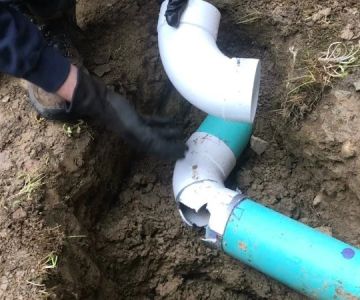
Older homes with galvanized steel pipes can experience corroded pipes, which restrict water flow and lead to low water pressure. The buildup of rust inside the pipes can block the flow of water, causing pressure to drop. In this case, pipe replacement may be necessary to restore normal water flow.
3.3 Main Water Supply Issue
If multiple fixtures in your home are experiencing low water pressure, there may be an issue with your main water supply. A problem with your municipal water system, such as a water main break or maintenance work, can temporarily reduce pressure. If this is the case, contact your water supplier to check if there are any known issues affecting your area.
3.4 Pressure Regulator Problem
Many homes have a pressure regulator installed to control water pressure. If the regulator malfunctions, it can cause a significant drop in water pressure. In this case, the regulator may need to be adjusted or replaced to restore proper pressure.
4. How to Fix Low Water Pressure in Your Bathroom
Once you’ve identified the cause of low water pressure, you can take steps to fix the problem. Here are some practical solutions:
4.1 Clean or Replace Fixtures
If clogged showerheads or faucets are the culprit, clean them by soaking them in vinegar or a descaling solution. If cleaning doesn’t work, you may need to replace the fixtures. Upgrading to a new, high-quality showerhead or faucet can also help improve water pressure.
4.2 Fix Leaks
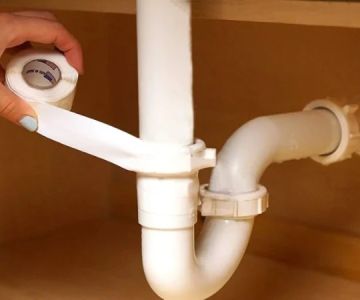
Leaks in the pipes can cause a significant drop in water pressure. If you notice any leaks, it's important to repair them as soon as possible. Depending on the severity of the leak, you may need to replace parts of your plumbing system. If you're not comfortable fixing the leaks yourself, it’s best to call a professional plumber to handle the repair.
4.3 Replace Corroded Pipes
If your pipes are corroded and restricting water flow, the best solution is to replace them. While this is a more extensive and expensive repair, it will restore your water pressure and improve the overall health of your plumbing system.
4.4 Adjust or Replace Pressure Regulator
If the issue is with the pressure regulator, you can try adjusting it to increase the pressure. If it’s malfunctioning, however, you may need to replace it. A plumber can help with both adjusting and replacing the pressure regulator to ensure your water pressure returns to normal levels.
5. Why Choose Plumbers Supply Hub for Your Plumbing Needs
If you’re dealing with low water pressure in your bathroom or any other plumbing issue, Plumbers Supply Hub is your go-to resource for high-quality plumbing products and expert advice. We offer a wide selection of plumbing supplies, from faucets and showerheads to pipe repair kits and pressure regulators.
Visit Plumbers Supply Hub today to find everything you need to solve your plumbing problems and restore your bathroom’s water pressure to optimal levels. With our expert recommendations and quality products, your plumbing will be in good hands!
 Best Plumbing Los Angeles5.0 (1 reviews)
 SOS Plumbing5.0 (29 reviews)
 All-Pro Plumbing, Inc.4.0 (122 reviews)
 Done-Rite Plumbing, Inc4.0 (74 reviews)
 Harvell Plumbing and Gas4.0 (85 reviews)
 Pioneer Plumbing0.0 (0 reviews)
 How to Install a New Toilet: A Complete Step-by-Step Guide
 How to Troubleshoot Plumbing Issues in Older Homes
 How to Replace a Shower Pan or Base | Plumbers Supply Hub
 How to Clean Out a Septic Drain Field Safely: Expert Tips and Guidelines
 How to Unclog a Drain Without Using Harsh Chemicals
 How to Replace a Spigot That Leaks Only When Turned On