
- 1-Understanding Plumbing Leaks
- 2-Immediate Actions to Take During a Plumbing Leak
- 3-How to Repair a Plumbing Leak
- 4-Preventing Future Plumbing Leaks
- 5-Finding the Right Plumber
1. Understanding Plumbing Leaks
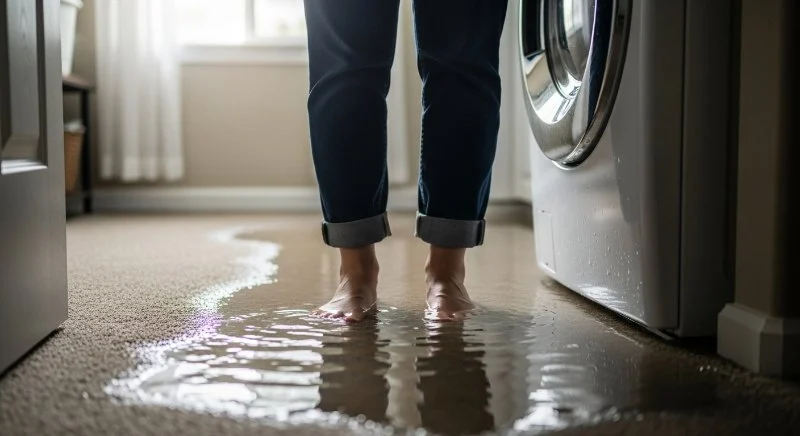
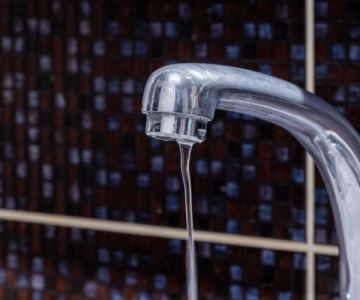
Plumbing leaks are one of the most common and disruptive issues homeowners face. A leak, if left unchecked, can lead to significant water damage and costly repairs. Understanding the different types of plumbing leaks, including pipe leaks, faucet drips, and water heater issues, can help you take the right action quickly. The best way to prevent these problems is regular maintenance and keeping an eye on early warning signs such as unexpected water bills or mold growth.
2. Immediate Actions to Take During a Plumbing Leak
When you first notice a plumbing leak, it’s essential to act quickly to minimize damage. The first thing you should do is turn off the water supply to your home. This can usually be done by locating the main water valve and shutting it off. Once the water is turned off, check for any signs of flooding or water damage. If flooding occurs, move any valuable items out of the way and begin drying the area to prevent further harm.
For leaks that involve electrical components, it's crucial to cut off the power supply to avoid electrocution. If the leak is located near electrical outlets or appliances, do not attempt to fix it without professional help.
3. How to Repair a Plumbing Leak
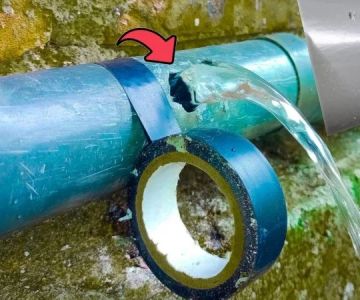
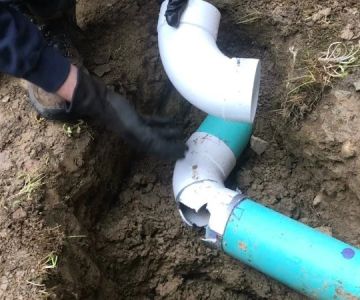
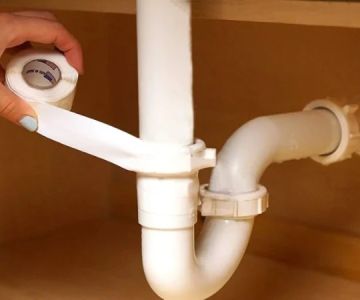
Repairing a plumbing leak can vary depending on the severity and location of the issue. For minor leaks, such as those caused by a small hole in a pipe, a temporary fix can be made using a rubber patch and clamps. However, more severe issues, like broken pipes, will require more substantial repairs, often involving replacing the damaged section of pipe.
If you have experience with plumbing repairs, you may be able to handle some minor fixes yourself. However, for major issues, it’s always advisable to contact a professional plumber. When making repairs, ensure that the water supply is completely turned off and be prepared with the necessary tools, such as wrenches, pipe sealant, and replacement parts.
4. Preventing Future Plumbing Leaks
To avoid future plumbing leaks, it’s important to practice good maintenance. Regularly inspect pipes for signs of wear and tear, particularly in areas prone to freezing or high pressure. Install pipe insulation in colder areas of your home to protect against freezing, which can cause pipes to burst. Additionally, clean your drains regularly to prevent clogs that could cause pressure build-up and lead to leaks.
Keeping an eye on your plumbing system and conducting regular inspections will not only help you identify issues early on but also save you money in the long run by preventing larger problems from developing.
5. Finding the Right Plumber
When faced with a plumbing emergency, it’s crucial to have a trusted plumber on hand. Look for a plumber who is licensed, insured, and has good reviews. A qualified plumber will be able to assess the damage, explain the best course of action, and provide an estimate for repairs. Don’t hesitate to reach out to professional plumbing services like those offered by Plumbers Supply Hub, which can connect you to reliable experts who offer top-quality plumbing solutions.
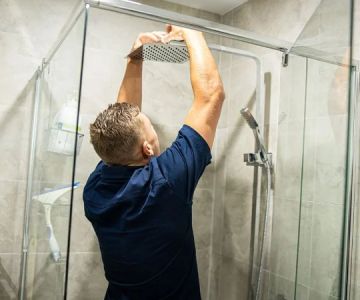
 Helton Plumbing5.0 (219 reviews)
 Mike Diamond Plumbing, HVAC & Electrical - Gardena4.0 (148 reviews)
 CME Sewer Repair4.0 (165 reviews)
 On Point Plumbing5.0 (11 reviews)
 Preferred Plumbing 911 Inc.4.0 (6 reviews)
 MG Plumbing & Services, LLC5.0 (1 reviews)
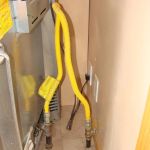 How to Replace a Fuel Line in a Gas Appliance
 How to Test Pressure Drop in a Long Pipe Run: Effective Methods for Accurate Results
 How to Replace a Broken Pipe in a Slab Foundation | Plumbers Supply Hub
 How to Replace a Toilet Tank Gasket - Step-by-Step Guide
 How to Repair a Cracked Pipe Without Replacing It
 How to Test a Backwater Valve in Your Sewer Line: A Step-by-Step Guide