
Plumbing Solutions for Preventing Backflow and Contamination
- 1. What is Backflow and Why It Matters
- 2. Common Causes of Backflow
- 3. How Backflow Can Lead to Contamination
- 4. Plumbing Solutions for Preventing Backflow
- 5. When to Call a Professional for Backflow Prevention
1. What is Backflow and Why It Matters
Backflow occurs when the flow of water or other liquids in a plumbing system reverses direction and flows back into the clean water supply. This situation can lead to contamination and health risks, as harmful substances, bacteria, and chemicals can enter your drinking water system. Understanding what backflow is and how it can affect your home is critical in ensuring the safety of your water supply.
Backflow typically occurs due to changes in water pressure within the plumbing system, which can happen during emergencies, heavy use, or malfunctioning equipment. Preventing backflow should be a priority for homeowners and business owners alike to avoid water contamination and protect public health.

2. Common Causes of Backflow
Backflow can be caused by a variety of factors. Understanding the most common causes will help you prevent it from happening in the first place:
- Backpressure: This occurs when the pressure in your plumbing system exceeds the pressure in the water supply, causing water to flow in reverse. It can happen when a pump is used to force water through pipes or when there’s a significant rise in pressure.
- Backsiphonage: This occurs when there’s a drop in pressure in the water supply, causing water to be sucked back into the system. This can happen during events like water main breaks or excessive water use in your area.
- Cross-Connections: A cross-connection occurs when a non-potable (non-drinkable) water source, such as a sprinkler system or a sump pump, is connected to the clean water supply. This creates a direct pathway for contaminated water to enter the system during backflow situations.
Identifying and addressing these causes is crucial to prevent backflow and protect the integrity of your plumbing system.
3. How Backflow Can Lead to Contamination
When backflow occurs, contaminated water can enter your clean water supply and potentially cause serious health issues. Some common contaminants that may enter the water supply due to backflow include:
- Human Waste: Backflow from toilets or sewage systems can introduce harmful pathogens and bacteria into the water, leading to gastrointestinal diseases and other health issues.
- Chemicals and Pesticides: Water from garden hoses, industrial equipment, or chemical containers can contain pesticides, fertilizers, or other harmful chemicals that can contaminate the water supply.
- Microorganisms: Backflow can allow bacteria, viruses, and other microorganisms to contaminate your water supply, leading to potential health outbreaks or waterborne diseases.
Ensuring that backflow is prevented in your home or business is essential to avoid these harmful contaminants from entering your drinking water and posing a significant risk to health and safety.
4. Plumbing Solutions for Preventing Backflow
There are several effective plumbing solutions that can help prevent backflow and protect your water supply:
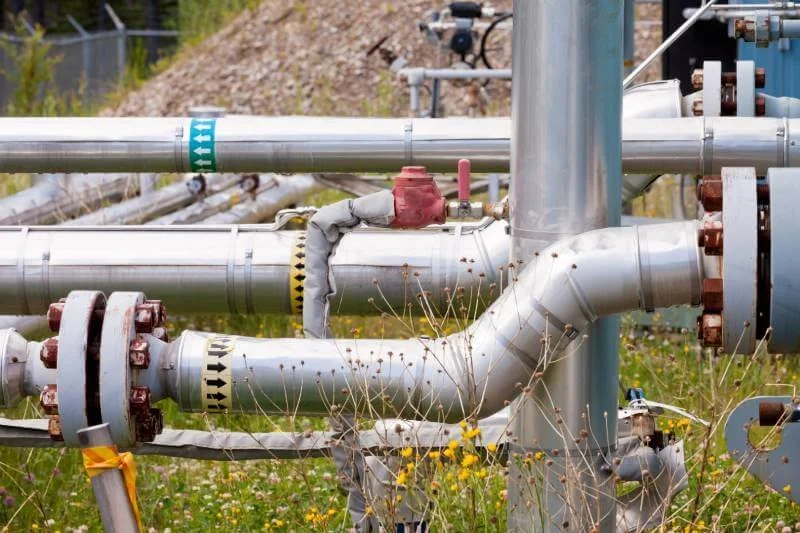
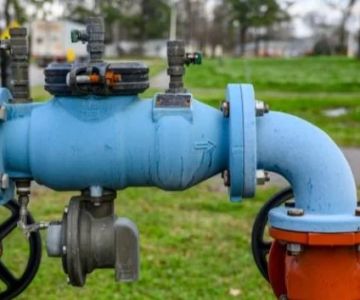
- Backflow Preventers: A backflow preventer is a device installed in your plumbing system to stop water from flowing back into the water supply. These devices come in various types, including check valves, double check valves, and reduced pressure zone (RPZ) valves.
- Air Gaps: An air gap is a physical separation between the potable water supply and any non-potable water source. It’s one of the simplest and most effective ways to prevent backflow, especially in fixtures like dishwashers and sinks.
- Properly Maintained Plumbing Systems: Regular inspections and maintenance of your plumbing system can help identify potential issues that could lead to backflow. Ensuring your system is in good condition, and that there are no cross-connections or leaks, is key to preventing backflow.
- Installing Vacuum Breakers: Vacuum breakers are devices that automatically prevent siphonage when there’s a drop in water pressure. They are commonly used in irrigation systems and hose bibs to prevent contamination.
By installing these systems and devices, you can effectively prevent backflow and contamination in your plumbing system, ensuring the safety of your water supply.
5. When to Call a Professional for Backflow Prevention
While some backflow prevention measures can be done by homeowners, there are times when it’s necessary to call in a professional plumber. Here are a few situations when you should contact a professional:
- Installation of Backflow Preventers: If you need to install a backflow preventer or upgrade your existing system, it’s important to hire a licensed plumber who can ensure the device is installed correctly and functions as intended.
- Annual Inspections: Many local regulations require that backflow prevention devices be inspected annually. A professional plumber can perform this inspection and make necessary repairs to keep your system in compliance.
- Complex Plumbing Issues: If you suspect a backflow issue but are unsure of the cause or how to fix it, a professional plumber can diagnose the problem and recommend the best course of action to prevent further damage.
Calling a professional plumber is the best way to ensure that your backflow prevention systems are properly installed, maintained, and functioning to keep your water safe and clean.
 Wassink Plumbing5.0 (1 reviews)
 Mr. Rooter Plumbing of Wausau4.0 (164 reviews)
 Orlandos Potable Plumbing2.0 (1 reviews)
 Bret Fischer Plumbing5.0 (2 reviews)
 Don Shriver's Video Drain Services4.0 (36 reviews)
 Mullins Plumbing Company5.0 (9 reviews)
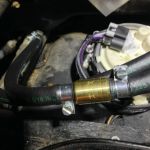 How to Replace an In-Line Check Valve
 How to Detect and Fix Plumbing Leaks Early
 How to Prevent and Fix Toilet Clogs | Expert Solutions
 How to Fix a Leaky Sink Drain: A Step-by-Step Plumbing Guide
 How to Troubleshoot a Water Heater That’s Not Heating Properly
 Why Your Water Softener Isn’t Working and How to Fix It