
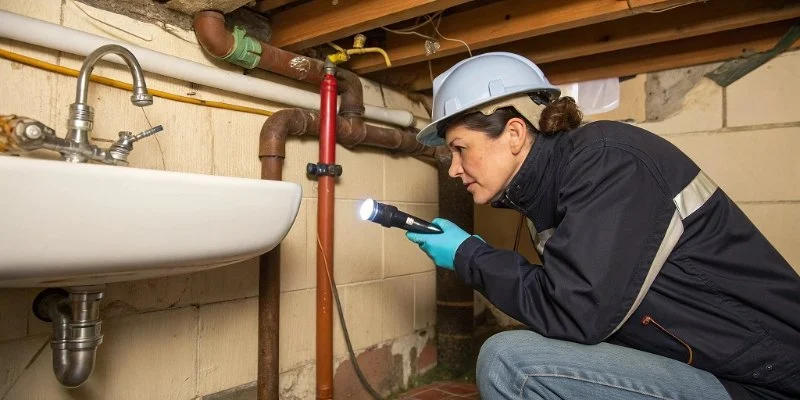
The Importance of Early Leak Detection
Plumbing leaks, whether small or large, can lead to significant damage if not detected and fixed early. Leaks can cause water damage to your home, promote mold growth, and increase your water bills. Detecting plumbing leaks early is essential to minimize damage and avoid costly repairs. The good news is that early detection is possible with the right tools and knowledge.
1. Cost Savings
When plumbing leaks are identified and addressed early, they can be repaired with minimal cost. Ignoring small leaks may lead to larger problems, such as burst pipes or extensive water damage, which can be much more expensive to fix.

Tony's Rooter and plumbing Service
RialtoSan Bernardino CountyCalifornia
780 S Iris Ave, Rialto, CA 92376, USA
2. Protecting Property
Leaky pipes can weaken the structure of your home. Prolonged exposure to water can cause damage to floors, walls, and even the foundation of your home. Early leak detection ensures that you catch these issues before they become too severe and expensive to repair.
3. Water Conservation
Leaks contribute to unnecessary water wastage. By fixing leaks early, you can conserve water, reduce your environmental impact, and lower your water bills.
Common Signs of Plumbing Leaks
Plumbing leaks are not always visible, but there are common signs that indicate a leak is present. Here are a few symptoms to look out for:
1. Increased Water Bills
If you notice an unexplained increase in your water bills, it may indicate a hidden leak in your plumbing system. Even small leaks can waste gallons of water, leading to higher costs.
2. Damp or Stained Walls and Ceilings
Water stains, damp spots, or peeling paint on walls or ceilings can be a sign of a leak behind the wall. If you notice these signs, it’s crucial to check the pipes in the affected area to determine if there’s a leak.
3. Musty Odors
Persistent musty smells, especially near plumbing fixtures, are often a sign of mold or mildew caused by a hidden water leak. If you notice this smell, it’s essential to investigate the source to prevent mold growth.
4. Low Water Pressure
If you’re experiencing low water pressure, it could be due to a leak somewhere in the plumbing system. Water escaping through a leak reduces the amount of water flowing through your pipes, leading to pressure issues.
5. Sounds of Running Water
If you hear water running when all faucets are turned off, it may be a sign of a hidden leak. This could be caused by a pipe leaking inside the walls or under the floorboards.
How to Detect Plumbing Leaks Early
Early leak detection can help you address the issue before it escalates. Here’s how you can identify plumbing leaks early:
1. Conduct a Visual Inspection
Start by inspecting visible pipes, faucets, and fixtures for signs of moisture, rust, or water damage. Look for water stains on ceilings, walls, or floors. Don’t forget to check areas like the basement, attic, or crawl spaces where plumbing may be hidden.
2. Monitor Your Water Meter
One effective way to detect a hidden leak is to monitor your water meter. To do this, turn off all water sources in your home, including appliances and faucets. Wait for an hour and then check the meter. If the reading has changed, there’s likely a leak somewhere in your plumbing system.
3. Use Leak Detection Tools
There are various leak detection tools available, such as ultrasonic leak detectors, moisture meters, and pipe cameras. These tools can help pinpoint the exact location of a leak, especially in hard-to-reach areas. If you suspect a leak but can’t find it visually, consider investing in one of these tools or hiring a professional plumber for assistance.
4. Hire a Professional
If you're unable to find the leak on your own, it's always best to call a licensed plumber. They have specialized equipment and the expertise to locate and repair leaks quickly. Professional plumbers can also perform leak detection as part of a routine plumbing inspection to catch issues before they become serious problems.
Steps to Fix Plumbing Leaks
Once you’ve detected a plumbing leak, it’s important to act quickly to fix the problem. Here are the steps you can take to repair plumbing leaks:
1. Turn Off the Water Supply
Before attempting any repairs, make sure to turn off the water supply to prevent further damage. Locate your main water shut-off valve and close it to stop the flow of water to the affected area.
2. Assess the Leak
Next, determine the severity of the leak. For small leaks, you may be able to fix it yourself with basic tools. For larger or more complex leaks, it’s best to consult a professional plumber.
3. Apply a Temporary Fix
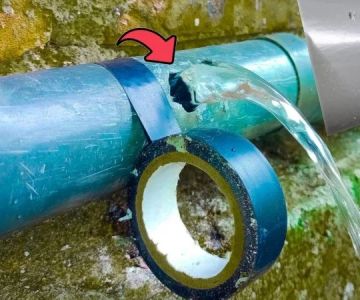
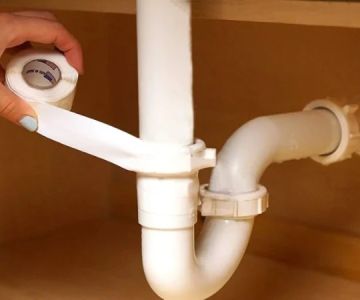
If you’re waiting for a professional plumber or need a quick solution, use a temporary fix. You can apply duct tape or pipe repair clamps to seal the leak temporarily. Keep in mind that this is only a short-term solution and should be followed by a permanent repair.
4. Repair or Replace the Damaged Pipe
For more permanent fixes, you’ll need to repair or replace the damaged section of the pipe. If you're comfortable with DIY plumbing repairs, you can use a pipe repair kit to patch the hole. For larger repairs, it’s advisable to call a professional plumber to ensure the repair is done properly.
Preventing Plumbing Leaks in the Future
While fixing leaks early is important, prevention is the best way to avoid future plumbing problems. Here are some tips to prevent leaks from occurring in the first place:
1. Regular Plumbing Inspections
Schedule regular plumbing inspections with a licensed plumber to ensure that your pipes are in good condition. This will help catch potential issues early and prevent leaks from developing.
2. Insulate Pipes
During the winter months, pipes can freeze and burst. To prevent this, insulate your pipes to protect them from freezing temperatures. This is especially important for pipes located in unheated areas like basements or attics.
3. Avoid Chemical Drain Cleaners
Chemical drain cleaners can damage pipes over time, leading to cracks and leaks. Instead, use natural alternatives like baking soda and vinegar to clear clogs. If you need professional help, consult a plumber for drain cleaning services.
Real-Life Example of Detecting and Fixing a Leak
Let’s look at the story of the Martinez family. They noticed a sudden spike in their water bill and discovered that water was leaking behind their bathroom wall. After conducting a visual inspection and noticing the damp spots, they turned off the water supply and called a plumber. The plumber used a moisture meter to locate the leak behind the wall and quickly fixed the issue. By detecting the leak early, the Martinez family was able to avoid extensive water damage and a more expensive repair bill.
 Victor's Plumbing & Water Heater Repair5.0 (1 reviews)
 Reliable Clog-Rod-Drain Specialists4.0 (64 reviews)
 Angry Dave's Plumbing4.0 (51 reviews)
 HRI Plumbing4.0 (13 reviews)
 Crystal Clear Plumbing5.0 (316 reviews)
 Ramco Plumbing Heating & Air5.0 (250 reviews)
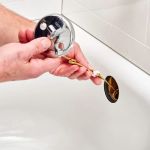 How to Repair a Broken Overflow Pipe in Tub - Step-by-Step Guide
 How to Replace a Bathtub Spout with Diverter: Step-by-Step Guide
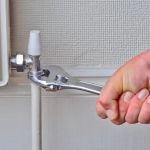 Why Your Pipes Rattle at Night and What to Fix
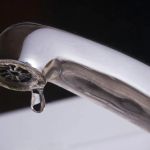 How to Fix a Dripping Faucet Without Calling a Plumber | Plumbers Supply Hub
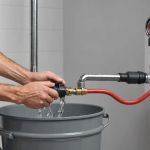 How to Safely Drain a Water Heater Before Moving
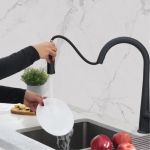 How to Replace a Kitchen Sink Sprayer Hose: Step-by-Step Guide