
- 1-Understanding Commercial Plumbing Systems
- 2-Common Plumbing Problems in Commercial Buildings
- 3-Regular Inspections and Monitoring
- 4-Preventive Maintenance Strategies
- 5-Water Pressure Management
- 6-Pipe Cleaning and Flushing Techniques
- 7-Upgrading and Replacing Aging Components
- 8-Emergency Preparedness and Response Plans
- 9-Case Studies of Effective Plumbing Prevention
- 10-Choosing Reliable Supplies and Vendors
1. Understanding Commercial Plumbing Systems
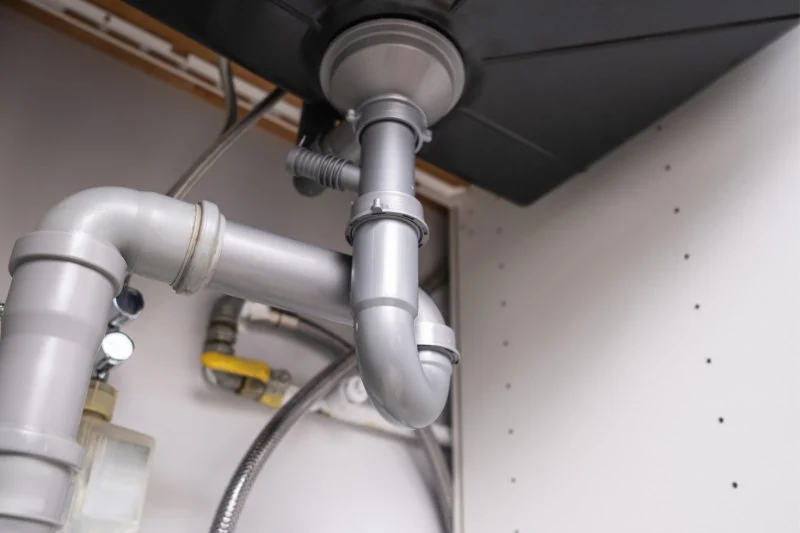
Preventing plumbing problems begins with a clear understanding of your commercial building’s plumbing system. Unlike residential setups, commercial systems are complex, designed to handle higher volume water flow, and often include multiple floors, extensive piping networks, and specialized equipment such as water heaters, backflow preventers, and sump pumps.
Knowing the layout and critical components helps facility managers identify vulnerable points, anticipate issues, and plan effective maintenance strategies.
2. Common Plumbing Problems in Commercial Buildings
2.1 Leaks and Pipe Corrosion
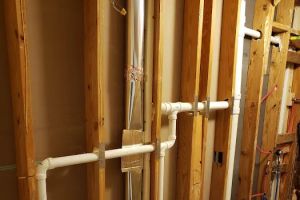
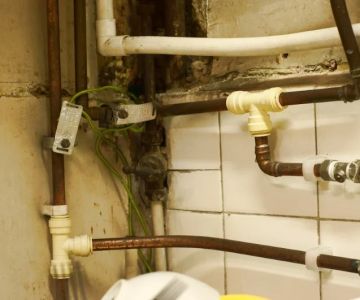
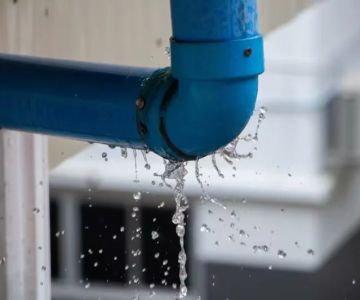
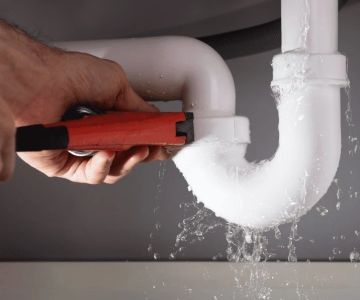
Leaks are one of the most frequent issues, often caused by corroded pipes, aging joints, or water pressure fluctuations. Left unchecked, leaks can lead to water damage, mold growth, and costly repairs.
2.2 Clogged Drains and Sewers
High usage in commercial buildings increases the risk of clogged drains. Grease, debris, and foreign objects can obstruct pipes, leading to slow drainage or backups.
2.3 Water Heater Malfunctions
Commercial water heaters endure constant demand. Sediment buildup, thermostat failures, or leaks can disrupt hot water supply, impacting operations.
2.4 Backflow Incidents
Improper pressure management or faulty backflow prevention devices can cause contamination of clean water supply, posing serious health risks.
3. Regular Inspections and Monitoring
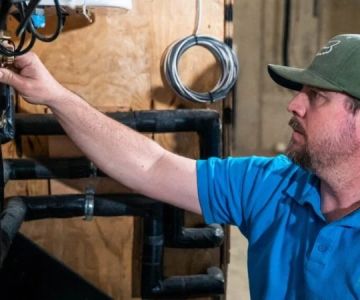
Scheduled inspections are critical for early detection of plumbing issues. Professional plumbers can use cameras and sensors to evaluate hidden pipes, assess corrosion levels, and identify potential leaks before they escalate.
Facility managers should maintain a checklist including:
- Visual pipe inspection for corrosion or cracks
- Checking faucets, toilets, and fixtures for leaks
- Water pressure monitoring
- Reviewing backflow prevention devices
4. Preventive Maintenance Strategies
4.1 Routine Pipe Flushing
Flushing pipes regularly removes sediment buildup, preventing blockages and maintaining water quality.
4.2 Drain Cleaning
Scheduled drain cleaning prevents accumulation of grease and debris. Enzyme-based cleaners or professional hydro-jetting are effective for commercial systems.
4.3 Lubrication and Component Care
Valves, pumps, and mechanical joints require regular lubrication to ensure smooth operation and prolong lifespan.
5. Water Pressure Management
High or fluctuating water pressure can strain pipes and joints, leading to leaks or burst pipes. Installing pressure regulators and monitoring pressure changes reduces risk. In some commercial setups, booster pumps may be used, but they must be carefully calibrated to avoid excessive pressure on aging systems.
6. Pipe Cleaning and Flushing Techniques
Commercial pipes benefit from routine cleaning methods that remove mineral deposits and biofilm. Techniques include:
- Mechanical scraping for older metal pipes
- Chemical descaling for mineral buildup
- Hydro-jetting for large-diameter drains
Combining these methods with filtration systems improves long-term performance.
7. Upgrading and Replacing Aging Components
Proactive replacement of outdated pipes, valves, and fixtures reduces failure risks. Materials like PEX or CPVC often outperform older galvanized steel pipes, offering corrosion resistance and flexibility.
Replacing key components during planned maintenance is far more cost-effective than emergency repairs.
8. Emergency Preparedness and Response Plans
Even with prevention, emergencies can occur. A comprehensive response plan should include:
- Shut-off valve locations and procedures
- Contact information for licensed commercial plumbers
- Backup water supply solutions
- Insurance coverage details
Quick response minimizes water damage and operational downtime.
9. Case Studies of Effective Plumbing Prevention
One multi-story office building implemented a preventive maintenance program combining bi-annual inspections, hydro-jetting, and water pressure monitoring. Over three years, leaks dropped by 70% and emergency repairs were reduced dramatically, saving both money and tenant disruption.
Another case involved a restaurant chain that adopted enzyme-based drain cleaning and routine water heater servicing. They reported significantly fewer clogs and more reliable hot water supply, improving overall customer satisfaction and operational efficiency.
10. Choosing Reliable Supplies and Vendors
High-quality plumbing supplies and equipment are crucial for long-term prevention. Platforms like Plumbers Supply Hub provide trusted products, ranging from pressure regulators and valves to corrosion-resistant piping and backflow preventers. Using reputable vendors ensures durability, reliability, and reduced maintenance issues.
By combining regular inspections, preventive maintenance, water pressure management, and reliable supplies, facility managers can effectively prevent plumbing problems in their commercial buildings, saving time, costs, and stress in the long term.
 American Leak Detection of Fort Wayne4.0 (43 reviews)
 Pennix Plumbing LLC5.0 (5 reviews)
 Bublitz Plumbing & Heating Inc5.0 (407 reviews)
 Justin Dorsey Plumbing4.0 (57 reviews)
 Quality Plumbing Services, Inc.4.0 (167 reviews)
 JPM Plumbing's5.0 (2 reviews)
 How to Insulate Exposed Pipes Without Blocking Access
 How to Route Plumbing for an Outdoor Grill Station
 The Benefits of Tankless Water Heaters: Is It Time to Upgrade?
 How to Replace a Splice Coupling That Fails
 How to Fix a Leaky Showerhead in Just a Few Steps: A Simple DIY Guide
 How to Troubleshoot Plumbing Issues in Older Homes