
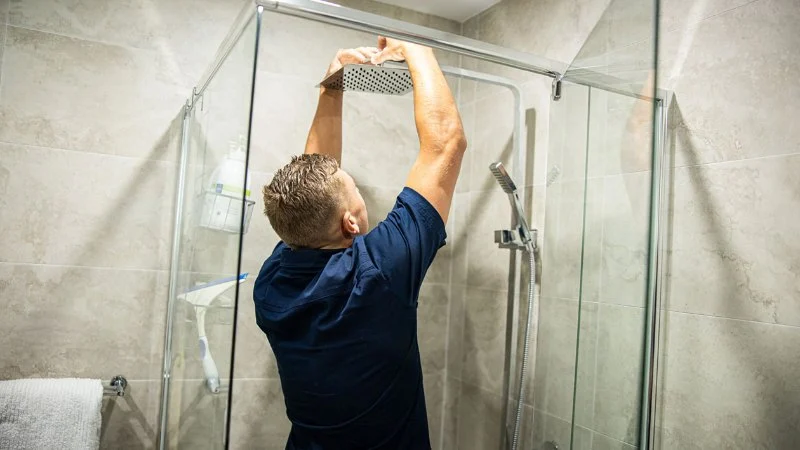
- Understanding Showerhead Leaks
- Common Causes of Leaky Showerheads
- Tools You’ll Need for the Repair
- Step-by-Step Instructions for Fixing the Leak
- When to Call a Plumber
Understanding Showerhead Leaks
A leaky showerhead can be both annoying and wasteful, leading to higher water bills and a frustrating shower experience. Whether it’s a small drip or a continuous stream of water, it’s important to understand the underlying cause of the leak before attempting a fix. Showerhead leaks are a common household issue that can be fixed by following a few simple steps, often without the need for professional help.
Common Causes of Leaky Showerheads
Before you begin fixing the leak, it's crucial to identify the potential cause. Some common reasons for a leaky showerhead include:
- Worn-out washers or O-rings: Over time, the rubber washers or O-rings that create a seal between the showerhead and the pipe can deteriorate, leading to water leakage.
- Clogged aerator: The small holes in your showerhead may become clogged with mineral deposits, causing a leak as water is forced through these blockages.
- Loose showerhead: A loose showerhead, whether it's due to improper installation or wear and tear, can result in water leaking out around the connection point.
- Faulty valve: If the valve controlling the water flow is not fully closed, it can result in dripping from the showerhead even when the shower is off.
Tools You’ll Need for the Repair
Luckily, fixing a leaky showerhead is a straightforward DIY project. Before you start, gather the following tools:
- Adjustable wrench: This will help you loosen and tighten the showerhead and pipes.
- Rubber gloves: These will protect your hands while handling the showerhead and prevent slipping.
- Plumber’s tape: Also known as Teflon tape, this is used to seal any threaded connections that may be causing the leak.
- Replacement washers or O-rings: If the leak is caused by worn-out washers or O-rings, you’ll need replacements, which can be purchased at most hardware stores.
- Mineral deposit cleaner: If mineral buildup is the issue, a vinegar solution or a store-bought cleaner will help clear the clog.
Step-by-Step Instructions for Fixing the Leak
Once you have your tools ready, follow these simple steps to fix the leaky showerhead:
- Step 1: Turn off the water supply - Before you start working on the showerhead, make sure the water supply is turned off to avoid any accidents or flooding.
- Step 2: Remove the showerhead - Use the adjustable wrench to loosen the showerhead by turning it counterclockwise. If the showerhead is stuck, you can use some penetrating oil to loosen it.
- Step 3: Inspect and clean the showerhead - Check for any mineral buildup, and soak the showerhead in a vinegar solution if needed. You can also clean out the small holes with a toothpick or small brush.
- Step 4: Replace the washer or O-ring - If the leak is caused by a worn-out washer or O-ring, remove the old part and replace it with a new one. Make sure it fits snugly to create a proper seal.
- Step 5: Reattach the showerhead - Apply plumber’s tape around the threaded area of the pipe, then screw the showerhead back on tightly. Use your wrench to ensure it's secure, but be careful not to overtighten and cause damage.
- Step 6: Test for leaks - Turn the water supply back on and test the showerhead for any leaks. If the problem persists, you may need to repeat the process or check for other issues, such as a faulty valve.
When to Call a Plumber
In most cases, fixing a leaky showerhead is a simple task that can be done by any homeowner with basic tools. However, if the leak continues after you've replaced the washers, O-rings, or tightened the connections, there may be an underlying issue that requires professional attention. If you notice any of the following, it’s time to call a plumber:
- Persistent water leakage: If water is still leaking despite your attempts to fix the showerhead, the problem might be with the shower valve or piping.
- Low water pressure: A clogged valve or pipe can reduce water pressure and cause leakage. A plumber can diagnose and fix this issue.
- Major pipe damage: If the leak is coming from the pipes behind the wall, it’s important to seek professional help to prevent water damage to your home.
If you need assistance with your plumbing needs, visit Plumbers Supply Hub for expert recommendations and reliable plumbing products that will make future repairs even easier.

 Phibbs Underground2.0 (3 reviews)
 Roto-Rooter Plumbing & Water Cleanup4.0 (4819 reviews)
 Eagle Mechanical Inc5.0 (1 reviews)
 Quality Plumbing, Heating, Cooling & Electrical4.0 (2981 reviews)
 Orange County Hydro-Jetting5.0 (2 reviews)
 Krupp Whitney Plumbing4.0 (245 reviews)
 How to Repair a Junction That Is Leaking Under Slab: A Comprehensive Guide
 The Ultimate Guide to Preventing Plumbing Clogs in Your Home: Tips and Solutions
 How to Choose a Reliable Plumbing Service in Your Area
 How to Repair a Broken Pipe Without Calling a Plumber
 How to Prevent Tree Roots from Infiltrating Your Plumbing System
 What Causes Discolored Water and When to Worry: Causes, Effects, and Solutions