
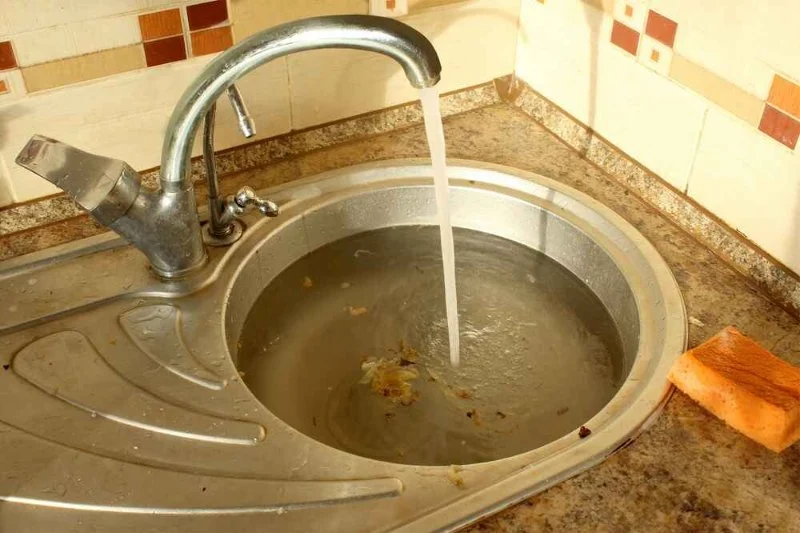
Overview of Plumbing Clogs
Plumbing clogs are one of the most common household issues that homeowners face. A clogged drain or pipe can disrupt daily activities, cause unpleasant odors, and even lead to costly repairs if left unchecked. Fortunately, most plumbing clogs can be prevented with simple, proactive measures. This guide will help you understand the causes of plumbing clogs and provide tips and strategies to keep your pipes clear and your plumbing system running smoothly.
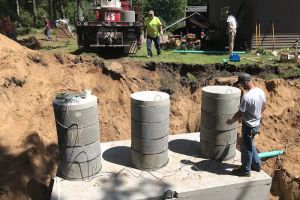
Common Causes of Plumbing Clogs
Before diving into prevention strategies, it's important to understand the common causes of plumbing clogs. Identifying these issues early on can help you take the necessary steps to avoid them in the future.

Blue Diamond Water Heater Repair
La Crescenta-MontroseLos Angeles CountyCalifornia
2933 Foothill Blvd Unit 164, La Crescenta-Montrose, CA 91214, USA
1. Grease and Fat Build-Up
One of the biggest culprits behind clogged kitchen drains is the build-up of grease and fat. When you pour cooking oils, grease, or fats down the drain, they can harden and create a sticky residue that traps food particles and debris, leading to a clog. Over time, this build-up can accumulate and create a blockage.
2. Food Particles and Debris
Another common cause of plumbing clogs is food particles, especially in the kitchen sink. Leftover food, coffee grounds, and small scraps can accumulate in the drain, causing blockages. It's important to scrape plates and dispose of food waste properly to avoid clogging the sink.
3. Hair and Soap Scum
In the bathroom, hair and soap scum are frequent causes of clogs in shower and sink drains. Hair can easily get stuck in the drain, combining with soap scum to create a dense blockage. Over time, this can slow down water drainage and even cause a complete clog.
4. Foreign Objects
Sometimes, objects that shouldn't go down the drain find their way in, especially in bathrooms and kitchens. Items like wipes, cotton balls, or small toys can block the flow of water and create severe clogs. These objects are particularly problematic in toilets and sinks.
Top Tips for Preventing Plumbing Clogs
Now that you understand the common causes of plumbing clogs, it's time to take preventive measures. Here are some top tips to help you avoid plumbing issues and keep your drains clear:
1. Use Drain Screens
Install drain screens in your kitchen and bathroom sinks to catch food particles, hair, and other debris before they can enter your pipes. These simple devices are easy to clean and can prevent most of the debris from clogging your drains.
2. Avoid Pouring Grease Down the Drain
One of the best ways to prevent grease clogs is to avoid pouring oils, fats, or grease down the drain. Instead, collect used grease in a container and dispose of it in the trash. You can also clean greasy pans and utensils with paper towels before washing them to reduce the amount of grease entering the drain.
3. Regularly Clean Drains
Cleaning your drains on a regular basis can prevent minor build-ups from turning into major clogs. You can use a mixture of baking soda and vinegar to naturally clean drains or use a commercial drain cleaner to keep your pipes clear. Regular maintenance is key to keeping your plumbing system in good condition.
4. Be Mindful of What Goes Down the Drain
In addition to grease and food waste, be cautious about what goes down the drain. Never flush anything other than toilet paper and human waste in the toilet. In sinks and tubs, avoid allowing hair or small objects to fall into the drain. Always dispose of waste properly to keep your drains clear.
5. Use a Plunger for Minor Clogs
If you notice a slow drain, use a plunger to clear it before it becomes a major problem. Plungers are effective at dislodging small blockages caused by food or soap scum. Regularly check for slow drains and address them early to avoid more significant clogs.
Regular Maintenance to Avoid Clogs
Preventive maintenance is essential for keeping your plumbing system running smoothly. Here are some simple maintenance tips to keep your drains and pipes clear:
1. Schedule Annual Plumbing Inspections
Scheduling a professional plumbing inspection at least once a year is a great way to catch potential issues before they become serious problems. A plumber can check for leaks, inspect pipes, and clean drains to prevent clogs and other plumbing issues.
2. Use a Drain Snake
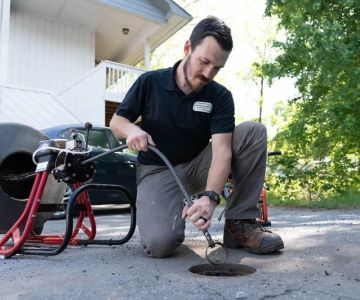
For stubborn clogs that can’t be cleared with a plunger, consider using a drain snake. This tool allows you to reach deeper into pipes and remove blockages that may be further down the line. Drain snakes can be rented or purchased at most home improvement stores.
3. Install a Water Softener
If you have hard water, consider installing a water softener. Hard water can lead to mineral buildup inside your pipes and drains, increasing the likelihood of clogs. A water softener will help to reduce mineral deposits and keep your plumbing system in good condition.
Real-Life Cases and Solutions
Many homeowners have faced the frustrating issue of plumbing clogs. One real-life case involved a family whose kitchen sink kept clogging despite their best efforts to keep it clean. After calling a plumber, they discovered that the buildup of grease and food particles had caused a significant clog in the pipes. The plumber recommended installing a grease trap, and after a thorough cleaning of the pipes, the problem was resolved.
Final Thoughts on Preventing Plumbing Clogs
Preventing plumbing clogs is all about being proactive and consistent with maintenance. By following the tips outlined in this guide, you can avoid most common causes of clogs and keep your plumbing system functioning smoothly. Regular cleaning, avoiding grease and food waste in your drains, and taking the time for preventative maintenance can save you from costly plumbing repairs down the road. For more plumbing care products and expert advice, visit Plumbers Supply Hub for the best recommendations and services.
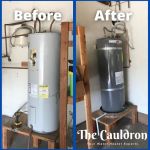 The Cauldron Water Heaters5.0 (2 reviews)
 Davids Gas Plumbing5.0 (43 reviews)
 Barkley Blevins Plumbing Heating & Air Conditioning2.0 (8 reviews)
 West Plumbing Contractors, inc5.0 (10 reviews)
 Carver & Carver Plumbing Inc4.0 (198 reviews)
 Lee and Grant Plumbing Repair4.0 (35 reviews)
 How to Troubleshoot Plumbing Issues in Older Homes
 How to Install a Secondary Drain for Air Conditioners
 How to Replace the Gasket on Your Toilet Tank and Prevent Leaks
 How to Repair a Broken Thread on a Pipe
 What to Check When You Have Low Water Pressure in Your Home
 How to Replace a Shower Valve Without Hiring a Plumber: A DIY Guide