
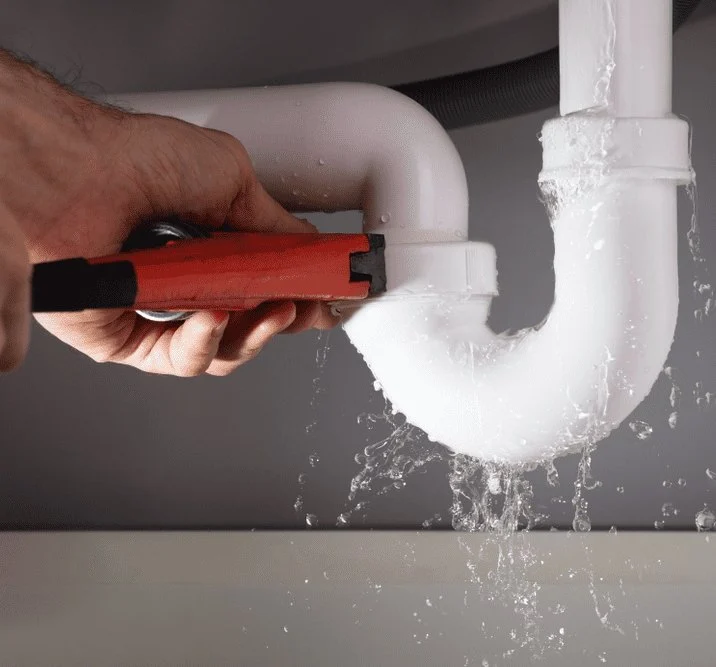
- Early signs of plumbing leaks - recognizing small problems
- Tools and techniques for detecting hidden leaks
- Common areas prone to plumbing leaks in homes
- Case study: how early detection prevented major water damage
- Preventive plumbing maintenance tips for homeowners
- Understanding water bills as an indicator of hidden leaks
- Professional inspection methods and technology
- DIY versus professional leak detection: pros and cons
- How to act quickly once a leak is detected
- Reliable resources and products from Plumbers Supply Hub
Early Signs of Plumbing Leaks
Detecting plumbing leaks early is crucial to preventing costly water damage. Small, often unnoticed signs can indicate the beginning of a major problem. These include damp spots on walls, ceilings, or floors, mold or mildew growth in unusual areas, and the persistent sound of dripping water.
For example, a homeowner might notice slight water discoloration under a bathroom sink or a faint musty smell near the basement. Recognizing these early indicators allows for timely intervention before leaks escalate into structural damage.

Tools and Techniques for Detecting Hidden Leaks
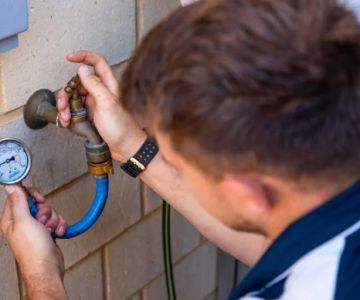
Modern plumbing offers several tools to identify hidden leaks efficiently. Moisture meters, infrared cameras, and acoustic leak detectors help pinpoint leaks behind walls or under floors without invasive procedures. These tools increase accuracy and minimize unnecessary repairs.
Even simple techniques, such as monitoring water pressure and checking for unusual dampness around pipes, can provide valuable early warnings. Combining professional-grade tools with routine observation ensures that potential leaks are caught before causing major issues.
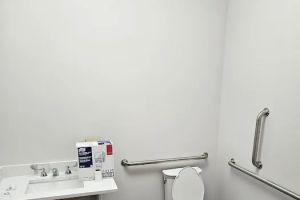
Common Areas Prone to Plumbing Leaks
Certain locations in homes are more susceptible to leaks. Common trouble spots include:
- Under sinks and around faucets
- Behind toilets and near shower drains
- Water heater connections and pipes in basements
- Outdoor irrigation systems and exposed pipes
- Appliance hookups such as washing machines and dishwashers
Being aware of these vulnerable points allows homeowners to focus their inspection and maintenance efforts effectively.
Case Study: Early Detection Preventing Major Water Damage
Consider a homeowner in Ohio who noticed a slight drop in water pressure combined with damp spots near the laundry area. By acting immediately and consulting a plumbing professional, the homeowner discovered a slow pipe leak concealed behind the wall. Timely repair avoided extensive water damage and expensive renovations, saving thousands of dollars.
This example highlights the importance of awareness, routine checks, and quick response to any unusual signs.
Preventive Plumbing Maintenance Tips
Regular maintenance is key to minimizing leaks. Homeowners should:
- Inspect pipes, faucets, and connections every few months
- Replace worn-out seals and washers promptly
- Monitor water pressure and ensure it stays within recommended ranges
- Use drain strainers to prevent clogs that can cause pressure buildup
- Insulate exposed pipes to avoid freezing and bursting during winter
These preventive measures reduce the likelihood of sudden leaks and extend the life of home plumbing systems.
Water Bills as an Indicator of Hidden Leaks
Unexpected increases in water bills can be a silent warning of hidden leaks. A steady, unexplained rise in usage often points to water escaping somewhere in the plumbing system. Homeowners should track monthly consumption and investigate anomalies immediately.
Cross-checking water meter readings before and after periods of non-use, such as overnight, can also reveal invisible leaks that may otherwise go unnoticed.
Professional Inspection Methods
Professional plumbers employ advanced methods to detect leaks that are difficult to find manually. These include:
- Infrared thermal imaging to identify temperature anomalies caused by moisture
- Video pipe inspections to visually detect cracks or blockages inside pipes
- Acoustic detection devices to listen for the subtle sounds of escaping water
Hiring professionals ensures precise identification of leaks, saving time and preventing unnecessary damage to walls and flooring.
DIY vs. Professional Leak Detection
While DIY methods are useful for minor checks and maintenance, professional services provide greater accuracy and advanced tools. Homeowners must weigh the convenience and cost-effectiveness of early personal inspection against the reliability and thoroughness of a certified plumber.
For example, a DIY check may detect visible damp spots, but an expert can locate concealed leaks behind walls or beneath concrete slabs that would otherwise go unnoticed.
Acting Quickly After Detecting a Leak
Once a leak is discovered, immediate action is critical. Steps include:
- Shutting off the main water supply
- Assessing the severity of the leak
- Contacting a professional plumber for repair
- Documenting any water damage for insurance purposes
- Mitigating further damage by drying affected areas
Prompt action minimizes repair costs and prevents potential structural issues or mold growth.
Reliable Resources and Products from Plumbers Supply Hub
For homeowners seeking trusted tools and solutions, Plumbers Supply Hub offers a wide range of leak detection equipment, maintenance products, and professional advice. Their resources help users identify leaks early and maintain plumbing systems efficiently.
Whether choosing moisture meters, pipe inspection cameras, or replacement parts, relying on a reputable source ensures quality, durability, and expert guidance for managing plumbing systems proactively.

 DMPPlumbing0.0 (0 reviews)
 Hoosier Plumbing, LLC4.0 (12 reviews)
 Pro Services Plumbing , Drains , Sewer Lining5.0 (1 reviews)
 Miles Plumbing and Heating4.0 (33 reviews)
 David Nixon Plumbing & Electrical5.0 (6 reviews)
 Hollywood Discount Plumber1.0 (2 reviews)
 Plumbing Safety Tips for Homeowners Tackling DIY Projects | Safe Plumbing Solutions
 How to Test Your Plumbing for Leaks Using Simple Tools
 The Best Ways to Prevent Plumbing Problems in Your Commercial Property
 Why Your Sink Is Making a Gurgling Noise and How to Fix It
 How to Replace a Spigot That Leaks Only When Turned On – A Step-by-Step Guide
 How to Detect and Fix Plumbing Leaks Early