
- 1-importance-of-regular-plumbing-maintenance
- 2-identifying-common-home-plumbing-issues
- 3-early-warning-signs-of-leaks-and-blockages
- 4-routine-pipe-inspections-and-cleaning
- 5-water-heater-maintenance-tips
- 6-drain-and-sewer-line-care
- 7-preventing-pipe-freezing-and-bursting
- 8-choosing-the-right-plumbing-tools-and-supplies
- 9-diy-maintenance-vs-professional-services
- 10-real-life-case-studies-of-costly-plumbing-failures
- 11-preventive-maintenance-schedules-for-homeowners
- 12-saving-money-on-repairs-without-compromising-quality
- 13-eco-friendly-and-water-saving-plumbing-tips
- 14-how-environmental-factors-affect-your-plumbing
- 15-building-a-long-term-plumbing-maintenance-strategy
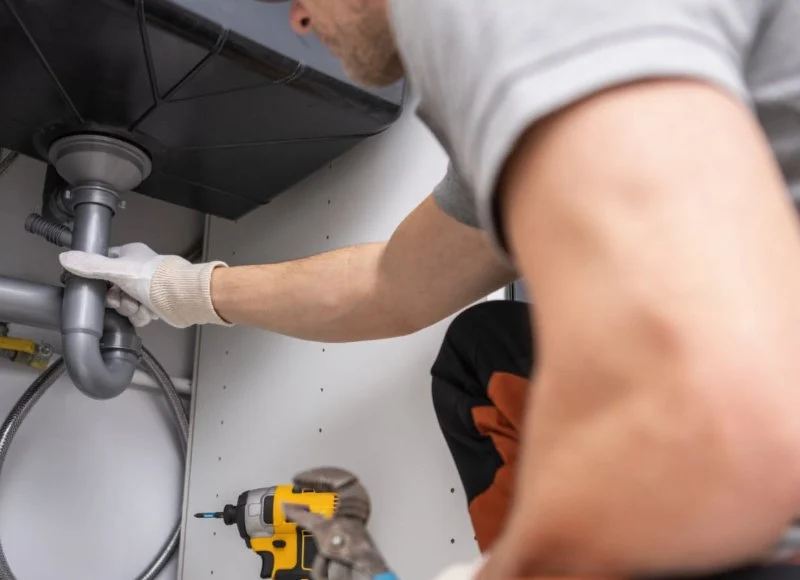
1. Importance of Regular Plumbing Maintenance
Maintaining your home plumbing system is more than just keeping pipes functional—it’s about protecting your investment, preventing costly emergencies, and ensuring clean, safe water. Regular maintenance helps detect minor issues before they escalate, reduces water waste, and can even improve your home’s energy efficiency.
Homes with scheduled plumbing inspections often experience fewer emergency repairs, lower utility bills, and longer-lasting plumbing systems. A proactive approach not only saves money but also provides peace of mind.
2. Identifying Common Home Plumbing Issues
Understanding common plumbing problems helps homeowners act quickly. Frequent issues include:
- Leaking faucets and showerheads
- Slow or clogged drains
- Running toilets and worn-out flappers
- Water pressure fluctuations
- Pipe corrosion or rust
- Water heater inefficiencies
Identifying these early can prevent small inconveniences from becoming costly repairs.
3. Early Warning Signs of Leaks and Blockages
Recognizing the warning signs of plumbing issues is essential for timely intervention:
- Unexplained increases in water bills
- Wet spots on walls, ceilings, or floors
- Gurgling sounds from drains or toilets
- Foul odors emanating from sinks or drains
- Frequent toilet clogs or backups
Addressing these signs promptly can prevent severe water damage and reduce repair costs.
4. Routine Pipe Inspections and Cleaning
Regular inspections and maintenance are key to preventing blockages and leaks. Homeowners should:
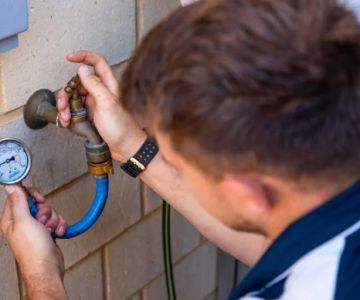
- Visually inspect accessible pipes for cracks or leaks
- Use flexible drain snakes to remove minor clogs
- Flush drains with safe, enzyme-based cleaners to prevent buildup
- Check pipe joints and connections for tightness
Periodic maintenance ensures that small problems are caught early, avoiding emergencies.
5. Water Heater Maintenance Tips
Water heaters are often overlooked in plumbing care but are critical to home comfort and efficiency. Regular maintenance tips include:
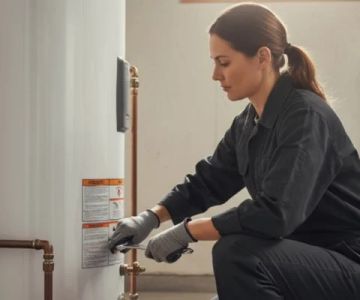
- Draining the tank annually to remove sediment buildup
- Checking pressure relief valves for proper function
- Insulating water heater tanks to reduce heat loss
- Inspecting pipes connected to the heater for corrosion or leaks
Proper water heater care can extend lifespan and prevent sudden breakdowns.
6. Drain and Sewer Line Care
Keeping drains and sewer lines clear is essential to avoid blockages and backups:
- Avoid flushing non-degradable items such as wipes or sanitary products
- Dispose of grease and oil properly rather than pouring down the sink
- Schedule professional sewer line inspections every few years
- Use strainers in sinks and tubs to catch hair and debris
Professional services from trusted suppliers like Plumbers Supply Hub can ensure long-term drain health.
7. Preventing Pipe Freezing and Bursting
Frozen pipes can cause significant water damage and expensive repairs. Preventive measures include:
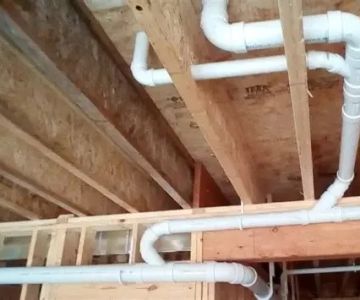
- Insulating exposed pipes in attics, basements, and crawl spaces
- Maintaining consistent indoor temperatures during cold weather
- Dripping faucets during extreme cold to keep water moving
- Sealing gaps and leaks around exterior walls and foundation
Early action minimizes risks and protects your home’s plumbing infrastructure.
8. Choosing the Right Plumbing Tools and Supplies
High-quality tools and supplies make maintenance easier and more effective:
- Reliable wrenches, pipe cutters, and pliers
- Flexible drain snakes for different pipe sizes
- Enzyme-based cleaners for safe debris removal
- Plumbing repair kits for common leaks
- Replacement parts sourced from trusted suppliers like Plumbers Supply Hub
Investing in the right tools reduces repair time and prevents damage from improper handling.
9. DIY Maintenance vs. Professional Services
While many preventive tasks can be handled by homeowners, certain situations require professional expertise:
- Persistent or complex drain blockages
- Water heater issues beyond routine maintenance
- Hidden pipe leaks or sewer line problems
- Corroded or deteriorating pipes
- Gas or pressure-related plumbing concerns
Balancing DIY efforts with professional services ensures optimal results while minimizing risks.
10. Real-Life Case Studies of Costly Plumbing Failures
Case One: Ignored Minor Leaks
A homeowner in Chicago ignored small faucet leaks. Over two years, water damage compromised drywall and flooring, leading to repair costs exceeding $7,000.
Case Two: Clogged Sewer Line
In Florida, grease buildup in the kitchen drain led to a sewer line backup. Professional hydro jetting and pipe replacement cost significantly more than routine preventative maintenance would have.
Case Three: Frozen Pipes
A family in New York failed to insulate exposed pipes. A harsh winter caused multiple pipe bursts, resulting in water damage and emergency plumbing costs that could have been avoided.
11. Preventive Maintenance Schedules for Homeowners
Developing a schedule ensures consistency and effectiveness:
- Monthly: Check faucets, drains, and toilets for leaks or slow flow
- Quarterly: Inspect water heater, pipes, and outdoor faucets
- Annually: Schedule professional inspection for sewer lines and full plumbing systems
Consistent maintenance prevents emergencies and prolongs system longevity.
12. Saving Money on Repairs Without Compromising Quality
Cost-effective strategies include:
- Comparing quotes from multiple professional plumbers
- Investing in quality tools and materials from trusted suppliers like Plumbers Supply Hub
- Addressing small leaks or clogs immediately to prevent escalation
- Participating in routine inspections instead of emergency repairs
Smart spending emphasizes prevention and quality, ultimately reducing total repair expenses.
13. Eco-Friendly and Water-Saving Plumbing Tips
Green plumbing practices help reduce utility costs and environmental impact:
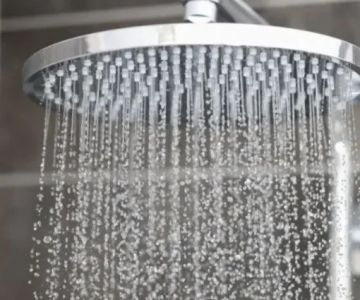
- Install low-flow faucets and showerheads
- Use dual-flush or water-efficient toilets
- Fix leaks promptly to conserve water
- Consider tankless water heaters for efficiency
Eco-friendly choices align with long-term savings and sustainable living.
14. How Environmental Factors Affect Your Plumbing
Climate, soil conditions, and seasonal weather changes influence pipe longevity:
- Tree root intrusion in sewer lines in wooded areas
- Freeze-thaw cycles leading to pipe expansion and cracks
- Soil acidity contributing to corrosion in metal pipes
- Heavy rainfall affecting drainage and sewer systems
Understanding these factors helps homeowners anticipate problems and take preventive measures.
15. Building a Long-Term Plumbing Maintenance Strategy
Long-term plumbing success depends on a combination of knowledge, routine care, and professional guidance:
- Keep a record of maintenance activities and inspections
- Schedule seasonal and annual checks
- Stay informed about common local plumbing issues
- Purchase reliable plumbing tools and parts from Plumbers Supply Hub
- Balance DIY maintenance with professional services for complex tasks
By following a structured maintenance strategy, homeowners can significantly reduce unexpected expenses, enhance system efficiency, and enjoy a worry-free plumbing system for years to come.
 Vio Plumbing & Mechanical, LLC.4.0 (32 reviews)
 Chaney Services5.0 (189 reviews)
 Top Notch Plumbing, Heating & Electrical Inc.4.0 (194 reviews)
 ANDLL Plumbing5.0 (52 reviews)
 Roto-Rooter Plumbing & Water Cleanup4.0 (73 reviews)
 Stone Plumbing Co4.0 (13 reviews)
 How to Fix a Leaky Showerhead Without Replacing the Entire Fixture
 How to Effectively Clean Residue and Scale from Faucets and Showerheads
 How to Repair a Toilet That Runs Intermittently: Step-by-Step Guide
 Plumbing Myths That Are Costing You Money
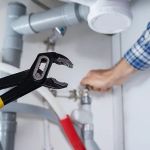 How to Maintain Your Plumbing System to Avoid Costly Repairs
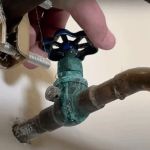 How to Replace a Broken Valve in a Water Line