
- understanding-plumbing-vent-basics-sewer-airflow-principles - Why vents matter for drainage performance and odor control
- planning-vent-system-layout-home-plumbing-structure - How to map vent placement before installation
- step-by-step-vent-installation-guide-diy-plumbing - Practical installation workflow explained clearly
- common-drainage-problems-and-how-vents-fix-them - Real household issues and technical solutions
- maintenance-and-safety-tips-for-long-term-performance - Keeping your plumbing vent system efficient
Understanding Why a Plumbing Vent Shapes the Entire Drainage System
A properly functioning home drainage system depends on something many homeowners never see: air balance inside the pipes. When wastewater moves through drains, it needs airflow behind it to prevent suction, slow drainage, and unpleasant odors. This is exactly where plumbing vent installation becomes essential.
In older homes, especially those built before modern plumbing codes, you often notice gurgling sinks or slow-draining showers. These symptoms are not random—they typically indicate poor venting. Without a vent pipe setup, wastewater struggles to flow smoothly, and sewer gases can even enter living spaces.
A homeowner in Ohio once shared a situation where multiple bathroom drains were backing up every time the washing machine ran. The issue wasn’t clogging—it was missing ventilation. After a proper vent upgrade, the entire system began working normally again, proving how critical airflow is in drainage design.

How a Drain Venting System Actually Works Inside Your Walls
A drain venting system acts like the lungs of your plumbing network. While water flows downward due to gravity, air must flow upward or be drawn in to balance pressure. Without this balance, water movement becomes erratic.
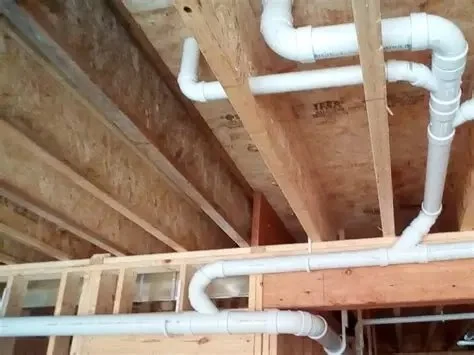
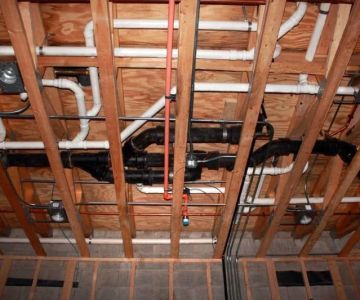
When installed correctly, vent pipes extend from drain lines upward through walls and exit through the roof. This allows sewer gases to safely escape while maintaining stable air pressure inside the system.
In modern homes, codes require venting for nearly every fixture, including toilets, sinks, and showers. This is not just for performance but also for health and safety, preventing sewer gas exposure.
Planning a Vent System Layout Before Installation Begins
Before touching any tools, planning is the most important step in any DIY plumbing ventilation project. Vent placement depends on the structure of your home, the location of fixtures, and existing drain lines.
A well-designed layout ensures that each fixture has proper access to airflow. For example, bathrooms typically share a main vent stack, while kitchens may require separate branch vents depending on sink and dishwasher placement.
In a real renovation project in Texas, a homeowner attempted to add a new bathroom without adjusting the venting system. The result was constant water siphoning from the toilet trap. Once the vent routing was corrected, the issue disappeared completely.
This is why professionals often emphasize that vent planning is just as important as pipe installation itself.
Step-by-Step Guide to Installing a Plumbing Vent Safely
Installing a vent pipe requires precision, but it can be manageable for experienced DIY homeowners who understand basic plumbing structure. The goal is to connect the drain line to a vertical vent pipe that leads to the roof.
The process typically begins by identifying the nearest drain line connection point. From there, a vertical pipe is installed, ensuring it rises continuously without dips that could trap water.
Once the pipe reaches the attic, it is extended through the roof using proper flashing to prevent leaks. Every connection must be sealed securely to avoid sewer gas leakage into the home.
Many homeowners choose to source reliable fittings and tools from Plumbers Supply Hub because quality components significantly reduce long-term failure risks and improve installation accuracy.
A common mistake during installation is using incorrect pipe sizing. If the vent is too small, it cannot balance air pressure effectively, leading to recurring drainage problems.
Common Drainage Problems Caused by Poor Venting Systems
When vents are missing or improperly installed, the symptoms are often confusing. Homeowners may think they have clogs when the real issue is airflow imbalance.
One of the most frequent problems is “trap siphoning,” where water is pulled out of drain traps. This allows sewer gases to enter bathrooms and kitchens, creating unpleasant odors.
Another issue is gurgling sounds from sinks or tubs. This occurs when air tries to escape through water instead of through a proper vent pathway.
In a widely shared home improvement forum case, a family repeatedly called plumbers for clog issues over two years. The real fix turned out to be adding a missing vent line behind a kitchen wall. Once corrected, all symptoms stopped immediately.
How Vent Systems Improve Overall Home Drainage Efficiency
A well-installed vent system improves drainage speed, reduces pipe pressure stress, and extends plumbing system lifespan. By stabilizing air pressure, water flows more naturally through pipes without hesitation.
This also reduces long-term buildup inside pipes because wastewater moves more consistently instead of stagnating in sections due to pressure imbalance.
Modern plumbing design considers venting as part of the entire drainage ecosystem, not just an optional add-on. Proper venting ensures every fixture operates independently without affecting others.
Maintenance Tips to Keep Your Plumbing Vent System Reliable
Although vent systems are relatively low-maintenance, they still require occasional inspection. Roof vent openings can become blocked by debris, leaves, or even bird nests.
Checking airflow periodically ensures that no obstructions are interfering with system performance. In colder climates, frost buildup can also restrict vent function, requiring seasonal awareness.
Homeowners should also monitor unusual drainage behavior, as it often signals early venting issues before major plumbing problems develop.
When replacement parts or upgrades are needed, sourcing from trusted suppliers such as Plumbers Supply Hub helps maintain system reliability and ensures compatibility with modern plumbing standards.
Why Proper Venting Is One of the Most Overlooked Home Upgrades
Many homeowners focus on visible plumbing fixtures but ignore the hidden infrastructure behind walls and ceilings. Yet venting is one of the most important elements of a healthy plumbing system.
Without it, even new pipes and fixtures will underperform. With it, older systems often feel like they’ve been completely upgraded.
The real value of understanding how to install a plumbing vent and improve your home’s drainage system lies in preventing future problems rather than repeatedly fixing symptoms.
 Always Plumbing LLC4.0 (116 reviews)
 Spartan Plumbing and Drains4.0 (1289 reviews)
 Top Notch Well Pumps & Plumbing4.0 (60 reviews)
 Paulie's Plumbing Services LLC4.0 (18 reviews)
 Hers & His Plumbing Services, LLC4.0 (980 reviews)
 Plumb Care Plumbing Inc4.0 (248 reviews)
 How to Unclog a Drain Without Using Harsh Chemicals
 The Ultimate Guide to Preventing Plumbing Clogs in Your Home: Tips and Solutions
 Pros and Cons of Tankless vs Traditional Water Heaters
 How to Replace a Shower Glass Door Without Causing Leaks
 How to Detect and Repair Water Leaks in Your Home’s Walls
 Why Regular Pipe Inspections Are Essential for Your Home