
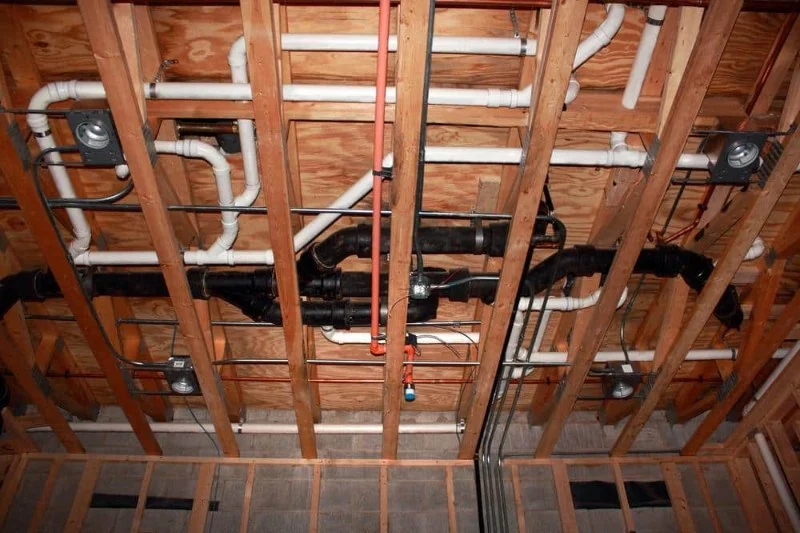
Why Hurricanes Pose a Serious Risk to Your Home Plumbing System
When people think about hurricanes, they usually imagine roof damage, broken windows, and flooding streets. What often gets overlooked is the hidden vulnerability inside the home—your plumbing system.
Strong storms don’t just bring wind and rain. They create pressure changes, sewer backflow risks, contaminated water supply issues, and structural strain on underground pipes. That’s why learning proper hurricane plumbing tips is essential for every homeowner in storm-prone regions.
Even a single weak point in your plumbing system can lead to costly water contamination or structural flooding during extreme weather conditions.
- storm-risk-analysis - Understanding how hurricanes affect plumbing infrastructure
- water-backflow-dangers - Why sewage backup becomes a major threat during storms
- home-protection-strategy - Preparing plumbing systems before landfall
How Hurricanes Impact Plumbing Systems in Real Homes
To effectively protect your home, it’s important to understand exactly how storm conditions disrupt plumbing systems at a technical level.
1. Sewer system overload and backflow
During heavy rainfall, municipal sewer systems often become overwhelmed. When this happens, wastewater can reverse direction and flow back into residential plumbing lines.
This is one of the most dangerous consequences of hurricanes because it introduces contamination risks inside the home.
2. Pressure fluctuations in water lines
Storm surges and infrastructure damage can cause irregular pressure in water supply systems. Sudden spikes or drops may damage internal plumbing components or cause pipe bursts.
3. Ground shifting and underground pipe stress
Flooded soil becomes unstable, which can shift underground pipes. Even slight movement can cause misalignment, cracks, or leaks in older plumbing systems.
These combined risks highlight why preventive preparation is critical before any hurricane arrives.
Essential Hurricane Plumbing Tips Every Homeowner Should Follow
Proper preparation significantly reduces the risk of plumbing failure during storms. The following strategies are widely recommended by professional plumbers and disaster response experts.
1. Shut off main water supply when evacuation is expected
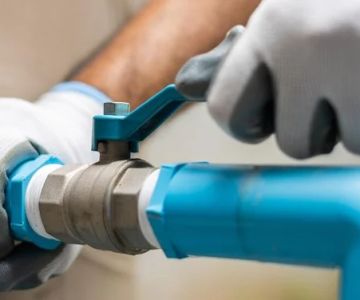
Turning off the main water valve prevents uncontrolled water flow in case pipes break or backflow occurs while you are away.
2. Install or check backwater valves
Backwater valves are designed to block sewage from re-entering your home. In hurricane-prone areas, this is one of the most effective protective upgrades.
3. Secure outdoor plumbing fixtures
Hose connections, outdoor faucets, and irrigation systems should be disconnected or secured to avoid pressure damage during storms.
4. Inspect sump pump functionality
If your home has a basement, ensuring that your sump pump is working properly is critical. Battery backups are also recommended in case of power outages.
Homeowners can also access storm preparation tools and professional services through Plumbers Supply Hub, which helps connect users with reliable plumbing resources before emergencies occur.
Real-Life Case: Hurricane Flooding Due to Sewer Backflow
During Hurricane Harvey, many homeowners in Houston experienced unexpected flooding inside bathrooms and laundry rooms—even when their roofs and walls remained intact.
One homeowner shared how sewage water began rising through floor drains within hours of heavy rainfall. The cause was not roof leakage but municipal sewer overload combined with a missing backwater valve.
Cleanup costs exceeded thousands of dollars, and the home required full sanitation treatment before it could be safely occupied again.
This case clearly shows that plumbing protection is just as important as structural reinforcement during hurricanes.
Common Mistakes Homeowners Make Before Hurricanes
Many plumbing failures during storms are preventable, yet they happen due to lack of preparation or misinformation.
1. Ignoring small leaks before storms
Even minor leaks can worsen dramatically under storm pressure conditions, leading to pipe bursts or wall damage.
2. Forgetting to shut off outdoor water systems
Irrigation systems and outdoor faucets are often overlooked, but they are highly vulnerable to pressure changes.
3. Assuming modern homes are storm-proof
Even new plumbing systems can fail if exposed to sewer backflow or flooding conditions.
Understanding these mistakes helps homeowners take more proactive steps in protecting their property.
How to Prepare Your Plumbing System Before Hurricane Season
Preparation should start well before storm warnings are issued. A structured approach ensures no critical steps are missed.
Annual plumbing inspection
A professional inspection helps identify weak points such as corroded pipes, loose fittings, or outdated drainage systems.
Installing flood protection devices
Devices like check valves and sump pump alarms significantly reduce the risk of water intrusion.
Testing emergency shutoff valves
Knowing exactly where and how to shut off your water supply can prevent major damage during emergencies.
Using trusted plumbing support networks such as Plumbers Supply Hub helps homeowners stay prepared with access to professional guidance and storm-ready solutions.
Understanding the Importance of Emergency Plumbing Response
During hurricanes, emergency plumbing response services become critical. These professionals are trained to handle flood-related pipe failures, sewer backups, and water system contamination safely.
Fast response can significantly reduce damage severity and prevent long-term structural issues inside the home.
This is why having a pre-planned emergency plumbing contact strategy is highly recommended in storm-prone regions.
Building Long-Term Protection for Your Home Plumbing System
Hurricane preparation is not just a seasonal task—it’s part of long-term home maintenance. Strengthening your plumbing system over time ensures resilience against future storms.
Investing in upgraded materials, regular inspections, and protective devices creates a layered defense system that minimizes risk even under extreme conditions.
Homeowners who take preventive steps consistently experience fewer repairs, lower restoration costs, and better overall safety during storm events.
 Byers Plumbing4.0 (10 reviews)
 Pipeline Plumbing & Drain Specialists5.0 (856 reviews)
 R.E. Plumbing LLC5.0 (36 reviews)
 Universal Plumbing and Sewer4.0 (2333 reviews)
 LS Plumbing Inc.4.0 (15 reviews)
 A1 Columbia Plumbing Heating & AC Services5.0 (506 reviews)
 How to Choose the Best Water Filtration System for Your Home
 How to Reroute Plumbing for a Kitchen Island: A Step-by-Step Guide
 How to Clean Out a Septic Drain Field Safely: Expert Tips and Guidelines
 What Happens When You Pour Grease Down the Drain
 How to Replace a Worn Hose on a Dishwasher
 Plumbing Tips for Making Your Bathroom More Water-Efficient