
- 1-why-your-plumbing-is-making-strange-noises
- 2-common-causes-of-noisy-pipes
- 3-understanding-water-hammer-and-its-impact
- 4-loose-or-unsecured-pipes-what-to-do
- 5-air-trapped-in-pipes-how-to-release-it
- 6-temperature-changes-and-expanding-pipes
- 7-professional-solutions-and-plumbing-maintenance
- 8-real-life-cases-of-noisy-plumbing
- 9-tips-to-prevent-plumbing-noise-in-the-future
- 10-why-plumbers-supply-hub-is-your-go-to-resource
1. Why Your Plumbing Is Making Strange Noises
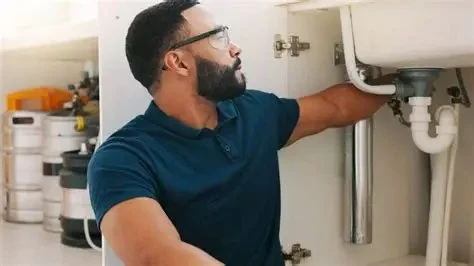
Strange noises from your plumbing can range from clanging and banging to whistling or gurgling. These sounds are more than just an annoyance—they often indicate an underlying issue that could lead to leaks or damage if left unaddressed.
American Plumber
HighlandSan Bernardino CountyCalifornia
27767 Base Line St #4, Highland, CA 92346, USA
1.1 Identifying Unusual Sounds
Clanking often signals a water hammer, while high-pitched whistling may point to a partially closed valve or mineral buildup. Understanding the type of noise can help pinpoint the source and necessary solution.
Mission Plumbing Services
Mission ViejoOrange CountyCalifornia
27001 La Paz Rd, Mission Viejo, CA 92691, USA
1.2 Why Noise Matters
Plumbing noise is not just a nuisance; persistent sounds can stress your home’s pipes, leading to cracks, leaks, or costly repairs. Acting early can prevent further damage and save on maintenance costs.
2. Common Causes of Noisy Pipes
Several factors contribute to strange plumbing sounds. Knowing these causes is the first step in resolving the issue.
2.1 Water Hammer
A sudden change in water flow can create a banging noise, commonly known as a water hammer. This occurs when water moving through the pipes abruptly stops, causing the pipes to vibrate against walls or brackets.
2.2 Loose or Unsecured Pipes
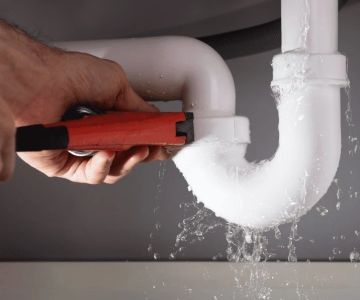
Pipes that are not properly fastened can rattle or bang when water passes through them. Over time, vibration can damage joints and cause leaks.
2.3 Air Trapped in Pipes
Air pockets can lead to gurgling or knocking sounds. These pockets often form when a pipe is drained or after plumbing work, causing uneven water flow.
2.4 Mineral Buildup or Obstructions
Hard water deposits or debris can partially block pipes, creating whistling or squealing noises when water flows past the obstruction.
3. Understanding Water Hammer and Its Impact
Water hammer is a frequent cause of loud banging in plumbing systems. It happens when valves close too quickly, sending a shockwave through the water and striking the pipe walls.
3.1 Effects on Plumbing
If left unchecked, water hammer can loosen pipe joints, damage fittings, and shorten the lifespan of appliances connected to the plumbing system.
3.2 Solutions for Water Hammer
Installing water hammer arrestors or pressure-reducing valves can absorb shockwaves and prevent further damage. Consulting professionals ensures correct placement and long-term results.
4. Loose or Unsecured Pipes: What to Do
Identifying pipes that move or vibrate excessively is crucial. Clamps, brackets, or pipe insulation can stabilize them and reduce noise.
4.1 Inspecting Your Home’s Plumbing
Regularly check accessible pipes in basements, crawl spaces, and utility rooms. Listen for movement or vibrations and tighten or secure as needed.
4.2 Professional Assessment
For hard-to-reach pipes, hiring a plumber ensures safe and effective reinforcement, preventing further noise and potential damage.
5. Air Trapped in Pipes: How to Release It
Air pockets are a common cause of gurgling or banging. Releasing trapped air can restore smooth water flow and silence pipes.
5.1 Bleeding the System
Open faucets at high and low points of the plumbing system to allow air to escape. Doing this gradually avoids water hammer and sudden pressure changes.
5.2 Checking for Persistent Air Pockets
If gurgling continues, it may indicate a blockage or poorly designed venting system. A professional can inspect and correct these issues safely.
6. Temperature Changes and Expanding Pipes
Heating and cooling of metal pipes causes expansion and contraction, which can create creaking or ticking sounds.
6.1 Identifying Thermal Noise
These noises often occur shortly after running hot water or during temperature shifts in the home. Unlike water hammer, they are generally less severe but can be annoying.
6.2 Solutions
Adding insulation around pipes or securing them more effectively can minimize the sound. In some cases, allowing slight movement with cushioned brackets reduces noise without harming the system.
7. Professional Solutions and Plumbing Maintenance
Regular maintenance is key to keeping plumbing quiet and functional.
7.1 Routine Inspections
Annual inspections can identify worn valves, loose pipes, and early signs of corrosion. Professionals can replace parts before they generate noise or leaks.
7.2 Upgrading Components
Installing modern valves, water hammer arrestors, and pipe supports can prevent most common noises and extend the lifespan of your plumbing system.
8. Real-Life Cases of Noisy Plumbing
Consider the case of a homeowner in Denver whose pipes rattled violently whenever the washing machine ran. Upon inspection, plumbers discovered loose copper pipes combined with minor air pockets. Installing brackets and bleeding the system eliminated the noise entirely.
8.1 Lessons Learned
Addressing noisy plumbing early prevents escalation, reduces stress, and avoids costly repairs. Most homeowners find that a simple combination of pipe securing, air release, and minor component upgrades resolves persistent sounds.
9. Tips to Prevent Plumbing Noise in the Future
Preventative measures are the best defense against noisy plumbing.
9.1 Secure Pipes During Renovations
Ensure new pipes are properly supported with brackets and insulated when installing or replacing plumbing.
9.2 Regular Maintenance Checks
Routine inspections by a licensed plumber can catch early signs of water hammer, loose fittings, or mineral buildup.
9.3 Pressure Regulation
Maintaining optimal water pressure reduces stress on pipes and minimizes noise. Installing a pressure-reducing valve if necessary is highly recommended.
10. Why Plumbers Supply Hub Is Your Go-To Resource
Plumbers Supply Hub provides high-quality plumbing components, accessories, and expert guidance for homeowners and professionals alike. From water hammer arrestors to pipe insulation, their products help reduce plumbing noise effectively and maintain a smooth-running system.
10.1 Trusted Solutions
- Quality pipe supports and brackets for secure installation
- Water hammer arrestors and pressure-regulating valves
- Expert advice and troubleshooting guides for common plumbing issues
By using reliable components and following professional guidance from Plumbers Supply Hub, homeowners can significantly reduce or eliminate strange plumbing noises, ensuring a quiet and well-functioning home.
 Guy's Sewer & Drain5.0 (620 reviews)
 Northern Mechanical USA4.0 (64 reviews)
 Preferred Home Solutions4.0 (7 reviews)
 Afford-A-Rooter5.0 (1 reviews)
 Rooter-Man0.0 (0 reviews)
 McNeely Owned Inc3.0 (60 reviews)
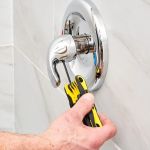 How to Install a New Shower Valve Without Calling a Plumber
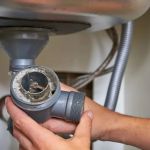 How to Identify the Causes of a Clogged Drain and Fix It Quickly | Plumbers Supply Hub
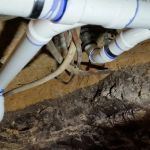 How to Repair a Junction That Is Leaking Under Slab
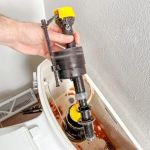 How to Replace a Toilet Fill Valve Quietly
 How to Install a Secondary Drain for Air Conditioners
 How to Handle a Burst Pipe: Immediate Actions You Should Take