
- - Aging Pipes and Corrosion Issues
- - Leaky Faucets and Fixtures
- - Low Water Pressure Problems
- - Clogged Drains and Sewer Line Issues
- - Outdated Plumbing Materials
- - Water Heater Issues in Older Homes
- - Hidden Leaks and Structural Damage
- - Preventive Maintenance Strategies
- - Real-Life Homeowner Experience
- - When Professional Help Is Necessary
Aging Pipes and Corrosion Issues
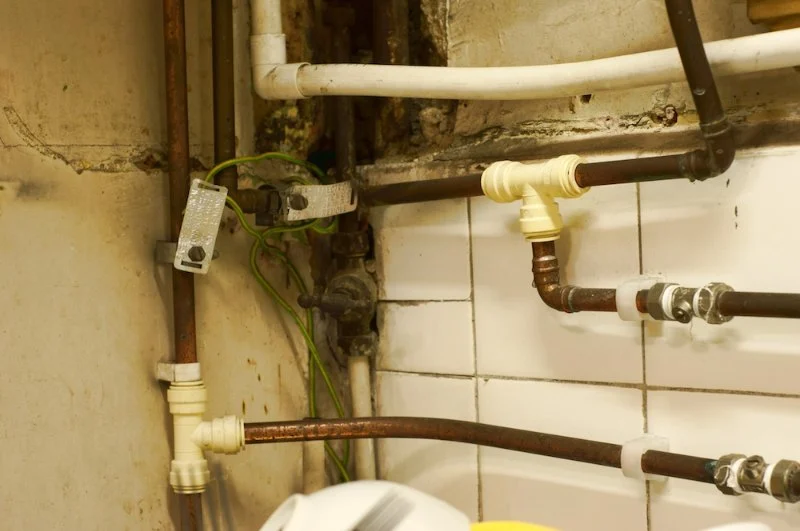
One of the most widespread challenges in older homes is deteriorating pipe systems. Many houses built decades ago still rely on galvanized steel or iron pipes, which gradually corrode from the inside out. Over time, this corrosion reduces water flow, contaminates water quality, and increases the risk of sudden pipe failure.
1. Why pipes degrade over time
Water naturally contains minerals and oxygen, both of which contribute to rust and corrosion inside metal pipes. In older plumbing systems, protective coatings may have worn away, leaving pipes vulnerable to internal decay.
Rooter Flushers Plumbing and Drains
Buena ParkOrange CountyCalifornia
6782 Stanton Ave suite e, Buena Park, CA 90621, USA
2. How to identify corroded pipes early
Common warning signs include discolored water, metallic taste, and frequent leaks. Homeowners often notice reduced water pressure in multiple fixtures, which is another strong indicator.
3. Practical solutions
Partial pipe replacement can help, but in many cases, a full repiping using modern materials like PEX or copper provides a long-term solution. Many professionals recommend upgrading section by section to manage cost and disruption.
Leaky Faucets and Fixtures
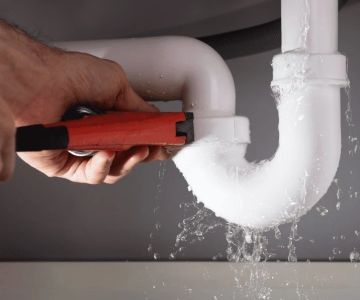
Leaky faucets are often dismissed as minor annoyances, but in older homes they can signal deeper plumbing wear. A slow drip may waste thousands of gallons of water annually and increase utility bills significantly.
1. Common causes
Worn-out washers, corroded valve seats, and aging seals are usually responsible for persistent dripping.
2. Repair approaches
In many cases, replacing internal faucet components resolves the issue. However, older fixtures may require complete replacement if parts are no longer available.
3. Long-term prevention
Upgrading to modern, water-efficient fixtures reduces maintenance needs and improves overall plumbing reliability.
Low Water Pressure Problems
Low water pressure is one of the most frustrating plumbing issues in older homes. It often affects showers, sinks, and appliances simultaneously, making daily tasks inconvenient.
1. Common underlying causes
Corroded pipes, sediment buildup, and partially closed valves are frequent culprits. In some cases, municipal supply issues may also contribute.
2. Diagnosing pressure loss
Homeowners can check whether the issue is isolated or system-wide by testing multiple fixtures at once.
3. Fixing the problem
Cleaning aerators, flushing pipes, and replacing old plumbing lines often restores normal pressure levels. Severe cases may require system upgrades.
Clogged Drains and Sewer Line Issues
Older homes often experience recurring drain clogs due to aging sewer lines, tree root intrusion, and buildup of debris over time.
1. Why older sewer systems fail
Clay or cast-iron sewer pipes commonly used in older construction can crack or collapse, allowing soil and roots to enter the system.
2. Early warning signs
Slow drainage, gurgling sounds, and unpleasant odors often indicate deeper sewer line issues.
3. Repair solutions
Modern trenchless repair methods allow plumbers to fix or replace damaged lines with minimal excavation, reducing property disruption.
Outdated Plumbing Materials
Many older homes still contain plumbing materials that are no longer considered safe or efficient. Lead pipes, for example, pose serious health risks and must be replaced immediately.
1. Common outdated materials
Galvanized steel, lead, and polybutylene pipes are frequently found in aging homes and are prone to failure.
2. Health and safety concerns
Contaminated water from outdated materials can pose long-term health risks, especially for children and elderly residents.
3. Modern replacement options
PEX and copper piping systems are now widely used due to their durability, safety, and flexibility.
Water Heater Issues in Older Homes
Water heaters in older homes often struggle with efficiency and reliability due to sediment buildup and aging components.
1. Common symptoms
Inconsistent water temperature, strange noises, and rusty water are signs of a failing unit.
2. Maintenance needs
Flushing the tank annually can help remove sediment and extend the lifespan of the heater.
3. Replacement considerations
Modern tankless water heaters offer improved energy efficiency and longer service life compared to traditional systems.
Hidden Leaks and Structural Damage
Hidden leaks are particularly dangerous because they often go unnoticed until significant damage has occurred.
1. Where leaks usually occur
Behind walls, under floors, and around foundations are common locations for undetected leaks in older homes.
2. Signs to watch for
Mold growth, damp spots, and unexplained increases in water bills often indicate hidden plumbing issues.
3. Repair strategies
Leak detection tools and thermal imaging allow professionals to locate issues without unnecessary demolition.
Preventive Maintenance Strategies
Preventing plumbing issues is always more cost-effective than repairing them after damage occurs.
1. Routine inspections
Annual plumbing inspections help identify early signs of wear before they become serious problems.
2. Drain care habits
Avoiding grease disposal and using drain screens can significantly reduce clogging issues.
3. System upgrades
Replacing aging components gradually helps spread out costs while improving system reliability.
Homeowners often turn to trusted resources like Plumbers Supply Hub when planning upgrades or sourcing reliable plumbing materials for older homes.
Real-Life Homeowner Experience
A homeowner in a 1950s suburban house noticed repeated basement dampness and declining water pressure. After inspection, plumbers discovered corroded galvanized pipes and a partially collapsed sewer line caused by tree roots. A phased repiping and trenchless sewer repair restored full functionality and eliminated recurring leaks.
Another case involved a family dealing with inconsistent hot water and rising utility bills. The issue was traced to a sediment-filled water heater over 15 years old. Replacing it with a modern unit resolved both efficiency and performance problems.
When Professional Help Is Necessary
1. Complex pipe failures
If multiple leaks or pressure issues occur simultaneously, professional diagnosis is essential.
2. Sewer system concerns
Sewer line damage should always be handled by licensed plumbers due to safety and environmental risks.
3. Persistent unresolved issues
When DIY fixes fail repeatedly, it often indicates deeper systemic plumbing problems requiring expert intervention.
 Fred Last Plumbing Inc3.0 (8 reviews)
 Thompson's Sewer Cleaning2.0 (2 reviews)
 Schwebach Plumbing & Heating0.0 (0 reviews)
 Swift Water Heater5.0 (507 reviews)
 About Plumbing Inc4.0 (72 reviews)
 Roto-Rooter Plumbing & Water Cleanup5.0 (433 reviews)
 How to Troubleshoot a Noisy Toilet: Common Causes and Solutions
 How to Install a New Toilet: A Complete Step-by-Step Guide
 How to Replace a Toilet Tank Gasket | Plumbers Supply Hub
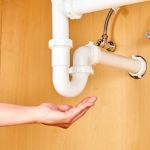 How to Install a New Kitchen Sink Plumbing System
 How to Choose the Best Showerhead for Water Conservation
 Plumbing Tips to Save Water and Lower Your Utility Bills