
- 1 - Understanding-Plumbing-Leaks
- 2 - Common-Signs-Of-Leaks
- 3 - Tools-And-Equipment-For-Detection
- 4 - Step-By-Step-Leak-Detection
- 5 - Fixing-Minor-Leaks-Yourself
- 6 - When-To-Call-A-Professional
- 7 - Preventive-Maintenance-Tips
- 8 - Real-World-Leak-Fix-Examples
- 9 - Long-Term-Care-And-Monitoring
1. Understanding Plumbing Leaks
Plumbing leaks are one of the most common causes of water damage in homes. They occur when water escapes from pipes or fixtures due to wear, corrosion, poor installation, or sudden stress. Understanding the nature and potential impact of leaks is the first step in preventing serious damage.
1.1 Types of Leaks
Leaks can occur in several forms: pinhole leaks, dripping faucets, loose connections, cracked pipes, and hidden slab leaks. Each type requires different detection and repair strategies.
Viper Rooter and Plumbing Inc.
AnaheimOrange CountyCalifornia
1840 W Lincoln Ave Suite I, Anaheim, CA 92801, USA
1.2 Potential Damage
Undetected leaks can lead to structural damage, mold growth, high water bills, and compromised electrical systems. Early detection saves homeowners significant repair costs and protects health.
2. Common Signs of Leaks
Identifying leaks early requires awareness of visual, auditory, and mechanical indicators.
2.1 Visible Water Damage
Discoloration on walls, ceilings, or floors, water stains, and bubbling paint often indicate leaking pipes behind surfaces.
2.2 Increased Water Bills
Sudden spikes in water consumption can signal hidden leaks, particularly in areas without visible moisture.
2.3 Unusual Sounds
Dripping or hissing sounds in walls, under sinks, or near appliances suggest a leak requiring immediate attention.
2.4 Mold and Mildew Growth
Persistent damp odors, mildew, or mold in hidden areas can be caused by ongoing water leakage, highlighting the need for inspection.
3. Tools and Equipment for Detection
Modern tools make leak detection more precise and less invasive.
3.1 Moisture Meters
Detect elevated moisture levels in walls and floors, indicating hidden leaks.
3.2 Thermal Cameras
Infrared cameras identify temperature anomalies caused by escaping water behind walls.
3.3 Pressure Gauges and Flow Sensors
Monitor water pressure drops or unusual flow rates in pipelines, signaling leaks.
3.4 Dye Testing
Specialized non-toxic dyes help identify leaks in toilets, drains, and appliances.
4. Step-by-Step Leak Detection
Systematic detection ensures no leak goes unnoticed.
4.1 Inspect All Visible Fixtures
Check faucets, showerheads, toilet tanks, and exposed pipes for dripping or moisture accumulation.
4.2 Monitor Water Meter
Turn off all water sources in the home and monitor the meter. Movement indicates a hidden leak.
4.3 Examine Hidden Areas
Inspect basements, crawl spaces, and behind appliances for dampness or water staining.
4.4 Use Technology
Deploy thermal cameras or moisture meters for hard-to-reach areas or suspected slab leaks.
5. Fixing Minor Leaks Yourself
Some leaks can be repaired safely by homeowners.
5.1 Tightening Loose Connections
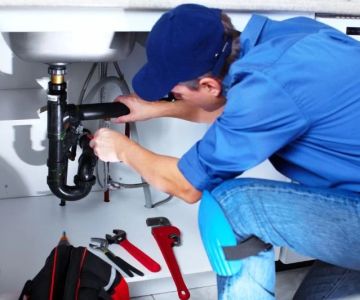
Use a wrench to secure fittings or joints. Ensure not to overtighten, which can damage threads.
5.2 Replacing Washers and Seals
Dripping faucets often need new washers or O-rings. Turn off water supply before replacement.
5.3 Applying Pipe Sealants
Small pinhole leaks in metal pipes can sometimes be temporarily sealed with epoxy or plumber’s tape until professional repair is possible.
6. When to Call a Professional
Complex or hidden leaks require expert intervention.
6.1 Slab or Underground Leaks
Leaks beneath concrete or in hard-to-access pipes need specialized equipment and expertise.
6.2 Large or Persistent Leaks
High-volume leaks or recurrent problems indicate worn or corroded plumbing requiring professional repair.
6.3 Emergency Situations
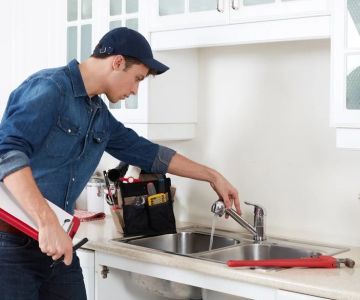
Sudden pipe bursts, flooding, or water near electrical systems should be handled immediately by licensed plumbers. Plumbers Supply Hub can connect homeowners with trusted professionals.
7. Preventive Maintenance Tips
Routine maintenance minimizes leak risk and extends plumbing lifespan.
7.1 Regular Inspections
Schedule periodic checks for signs of wear, corrosion, or minor leaks.
7.2 Water Pressure Management
Maintain appropriate home water pressure to reduce stress on pipes and fittings.
7.3 Seasonal Preparations
Insulate pipes in winter to prevent freezing and expansion-related leaks. Check exterior faucets for damage after storms.
8. Real-World Leak Fix Examples
Practical cases demonstrate effective detection and repair strategies.
8.1 Basement Pipe Leak
A homeowner noticed damp spots and a spike in water bills. Using a moisture meter, the leak was traced to a corroded elbow joint. Tightening and sealing temporarily controlled the leak until a plumber replaced the section, preventing structural damage.
8.2 Toilet Tank Drip
A slow drip was causing water waste. Replacement of the internal flush valve solved the problem, highlighting the importance of minor fixture inspections.
8.3 Slab Leak Detection
Thermal imaging revealed a hidden slab leak. Professional intervention included pipe rerouting and concrete repair, preventing potential floor collapse and mold development.
9. Long-Term Care and Monitoring
Ongoing attention ensures plumbing longevity and minimizes water damage risks.
9.1 Install Leak Detectors
Smart water sensors alert homeowners to leaks in real-time, allowing rapid response and damage prevention.
9.2 Track Water Usage
Monitoring bills and flow patterns can help identify leaks early.
9.3 Maintain Plumbing Systems
Regularly clean drains, replace worn fixtures, and schedule inspections with trusted providers. Plumbers Supply Hub offers guidance and tools for ongoing plumbing maintenance, ensuring homeowners address issues proactively.
By combining early detection, DIY minor repairs, professional intervention when needed, and preventive maintenance, homeowners can effectively manage plumbing leaks before they escalate into serious damage. Leveraging resources from Plumbers Supply Hub ensures reliable solutions and guidance for both routine care and emergency situations.
 Godwin Plumbing & Hardware4.0 (905 reviews)
 R D Andrews Repairs0.0 (0 reviews)
 A&K Home Improvement and Sewer Cleaning LLC5.0 (86 reviews)
 D&L Plumbing4.0 (43 reviews)
 MVP Plumbing2.0 (16 reviews)
 Bob's Plumbing, Heating & A/C LLC4.0 (31 reviews)
 Why Your Water Pressure Is Low and How to Fix It
 How to Handle Plumbing in Mobile Homes: Essential Tips and Solutions
 How to Replace a Broken Pipe Bedding Under Floor: A Complete Guide
 How to Clean and Maintain Your Plumbing Pipes for Better Performance
 How to Use Baking Soda and Vinegar to Clear Clogged Drains
 How to Use a Hydro Jet to Clear Tough Blockages