
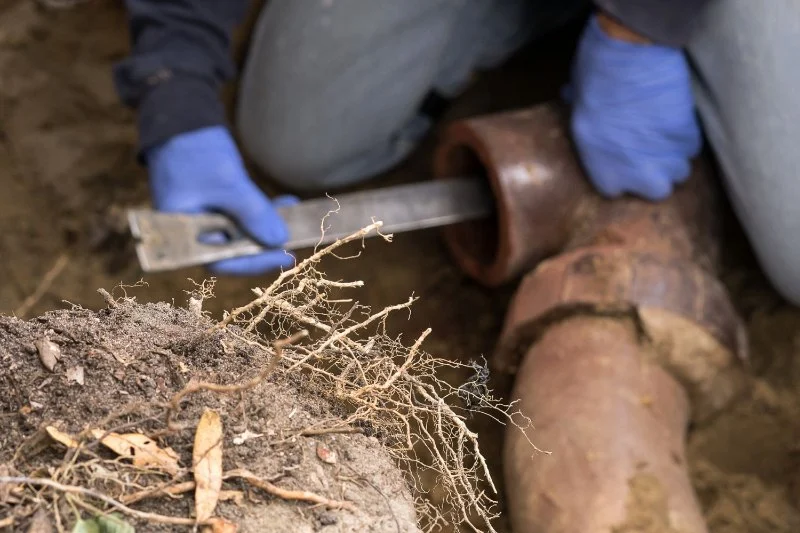
1 - Understanding Tree Root Intrusion in Plumbing
Tree roots naturally seek out moisture and nutrients, making underground sewer and water lines a prime target. Over time, roots can infiltrate pipes through small cracks, joints, or weakened areas, causing blockages, leaks, and even pipe collapse. Understanding how roots interact with plumbing is essential to prevent costly repairs.
1.1 Why Tree Roots Target Pipes
Roots are attracted to water and nutrients inside pipes. Older homes with clay or cast iron pipes are particularly vulnerable because these materials develop small gaps or cracks over time. Once roots penetrate, they expand within the pipe, leading to significant clogs and pressure build-up.
1.2 The Stages of Damage
Root intrusion usually progresses in stages. Initially, roots may only restrict water flow, causing slow drains. As they grow, they can split pipes, cause backups, and eventually necessitate major sewer line replacement. Early detection is critical to minimize costs and disruption.
2 - Signs and Symptoms of Root-Related Plumbing Issues
Recognizing the warning signs of root intrusion allows homeowners to take prompt action before extensive damage occurs.
2.1 Slow Drains and Frequent Clogs
One of the first indicators is slow-draining sinks, tubs, or toilets. If unclogging multiple times does not resolve the issue, roots may be the hidden culprit.
2.2 Sewage Backups
Root growth inside sewer lines can trap waste, causing sewage to back up into sinks, tubs, or even the yard. This is a serious issue requiring immediate attention to prevent contamination and property damage.
2.3 Strange Noises and Odors
Gurgling sounds in drains or foul odors coming from toilets and drains often signal blockages caused by roots. Ignoring these signs can lead to more severe damage and expensive repairs.
2.4 Cracks and Shifting in Yard
Sometimes, root intrusion can indirectly cause visible surface issues. Uneven ground, sinkholes, or cracks in driveways may indicate underground pipe damage caused by aggressive tree roots.
3 - Common Solutions and Repairs
Once a tree root problem is identified, there are several approaches to resolving the issue, ranging from DIY methods to professional solutions.
3.1 Mechanical Root Removal
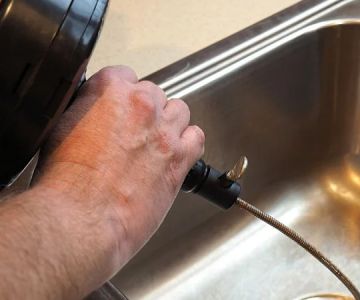
Professional plumbers use specialized tools, such as root augers or cutting blades, to physically remove roots from pipes. This method restores flow immediately but may require repeated treatments if the source tree remains nearby.
3.2 Chemical Treatments
Foaming root killers can be applied to sewer lines to kill roots without digging. These chemicals target roots inside pipes while being safe for plumbing materials. However, they are a temporary solution and should be paired with regular monitoring.
3.3 Trenchless Pipe Replacement
For severe damage, trenchless pipe repair techniques, such as pipe lining or pipe bursting, offer a minimally invasive solution. These methods avoid digging up large areas, reducing disruption while providing long-term repair.
3.4 Preventive Root Barriers
Installing root barriers around susceptible lines can prevent future intrusion. These physical barriers redirect roots away from pipes and are often used alongside regular maintenance plans.
4 - Preventive Measures to Protect Your Pipes
Prevention is always more cost-effective than repair. Homeowners can take several measures to minimize root intrusion risks.
4.1 Strategic Tree Planting
When landscaping, plant trees away from sewer and water lines. Consider tree species with less aggressive root systems near plumbing infrastructure.
4.2 Regular Sewer Line Inspection
Annual or biannual inspections using video cameras can identify early root growth before significant damage occurs. Early intervention reduces repair costs and prevents plumbing emergencies.
4.3 Routine Maintenance
Periodic drain cleaning and flushing prevent blockages from forming. Using enzyme-based cleaners can also help maintain clear pipes without harming the environment.
5 - Real-Life Case Studies and Experiences
Examining real-world examples illustrates the impact of tree roots on plumbing and how solutions can be applied effectively.
5.1 Suburban Home Sewer Backup
In a suburban neighborhood, a homeowner noticed repeated toilet backups. Inspection revealed tree roots had infiltrated the main sewer line. Using a combination of mechanical cutting and chemical treatment, the plumber restored flow and installed a root barrier to prevent recurrence.
5.2 Urban Apartment Drain Blockage
An urban apartment experienced slow-draining sinks in multiple units. A professional inspection identified roots growing into lateral sewer lines from a nearby sidewalk tree. A trenchless pipe lining solution repaired the pipes without major excavation, restoring full functionality.
5.3 Historic Property Pipe Replacement
A historic home with clay pipes suffered frequent blockages due to root growth. Trenchless pipe bursting replaced the damaged sections while preserving the yard and landscaping. The homeowners also received guidance from Plumbers Supply Hub on preventive maintenance.
6 - Choosing the Right Products and Services
Selecting reliable tools and professional services is key to managing root-related plumbing issues effectively.
6.1 Trusted Plumbing Tools
Professional-grade root cutting blades, augers, and inspection cameras are essential for long-term solutions. Plumbers Supply Hub provides high-quality tools suitable for both DIY enthusiasts and professionals.
6.2 Expert Plumbing Services
Choosing experienced plumbers familiar with root intrusion techniques ensures accurate diagnosis and effective repair. Services such as video inspection, trenchless repair, and chemical treatments minimize disruption and prevent future problems.
6.3 Maintenance Plans
Regular maintenance plans, including inspections, cleaning, and root prevention, help maintain pipe integrity. Investing in such plans reduces emergency repair costs and prolongs plumbing system lifespan.
7 - Long-Term Strategies for Healthy Plumbing
Addressing tree root problems requires both immediate action and long-term strategies.
7.1 Monitor Tree Growth
Keep an eye on nearby trees and their root systems. Early detection of aggressive root growth can prevent costly sewer repairs.
7.2 Combine Multiple Solutions
Using mechanical removal, chemical treatments, trenchless repair, and preventive barriers together provides comprehensive protection. Relying on a single method often leads to recurring issues.
7.3 Professional Guidance and Products
Consulting with experienced plumbers and using trusted products from Plumbers Supply Hub ensures that solutions are effective and sustainable. Proper planning and investment in quality equipment save time, money, and property damage in the long run.
By understanding the nature of root intrusion, recognizing early warning signs, and implementing targeted solutions, homeowners can protect their plumbing systems from tree root damage efficiently. Combining preventive measures with professional guidance ensures a long-lasting, trouble-free plumbing system.

 J. Blanton Plumbing, Sewer and Drain4.0 (70 reviews)
 AG Heating, Cooling & Plumbing4.0 (43 reviews)
 Richards Rooter and Plumbing4.0 (29 reviews)
 R.W. Dowding Plumbing Co., Inc.4.0 (7 reviews)
 Oasis Plumbing & Drain Services Inc.4.0 (36 reviews)
 K & T Plumbing5.0 (4 reviews)
 Why Your Shower Alternates Between Hot and Cold – Causes and Solutions
 Why Your Sump Pump Runs Excessively and How to Limit It
 The Risks of Ignoring a Small Pipe Leak Early On
 How to Install a New Showerhead: A Step-by-Step DIY Plumbing Guide
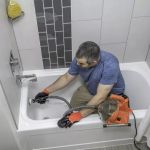 The Importance of Regular Drain Maintenance for Your Home’s Plumbing System
 How to Safely Replace an Outdated Plumbing Fixture