
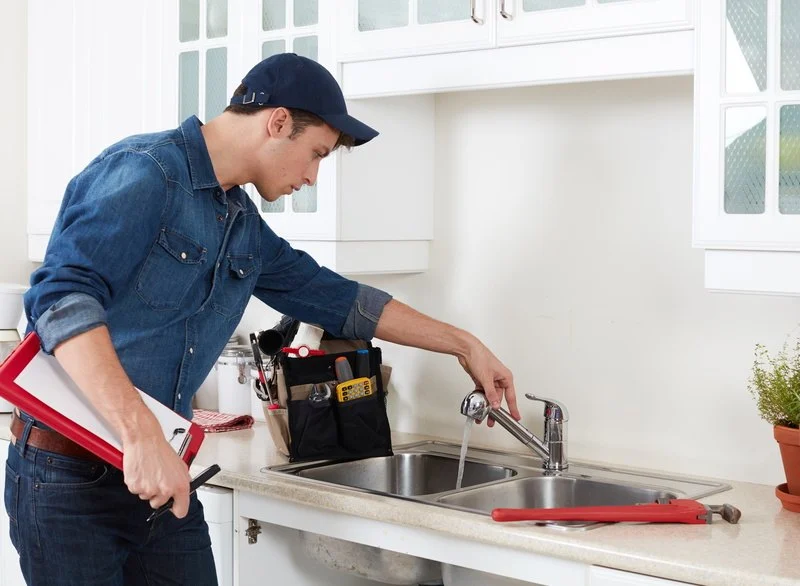
How to Troubleshoot Your Kitchen’s Plumbing System Efficiently
- -understanding-common-kitchen-plumbing-issues
- -step-by-step-guide-to-identify-problems
- -how-to-fix-clogged-sinks-and-drains
- -leak-detection-and-repair-techniques
- -maintaining-pipes-to-prevent-future-issues
- -using-tools-and-supplies-from-plumbers-supply-hub
- -safety-tips-and-preventive-measures
- -real-life-examples-of-successful-kitchen-plumbing-fixes
- -when-to-call-a-professional-plumber
1. Understanding Common Kitchen Plumbing Issues
Kitchen plumbing problems are widespread and can range from minor annoyances to significant damage risks. The most frequent issues include slow-draining sinks, leaks under cabinets, dripping faucets, clogged garbage disposals, and pipe corrosion. Knowing the common signs and causes of these issues allows homeowners to respond quickly before they escalate into costly repairs.
For example, a slow-draining sink may indicate a partial clog in the pipes, while a persistent leak beneath the sink often signals a worn-out gasket or loose connection. By understanding these problems, you can pinpoint the right solution efficiently.

2. Step-by-Step Guide to Identify Problems
Before attempting repairs, accurately identifying the source of the issue is crucial. Follow these steps:
1. Visual Inspection: Check under the sink, around faucets, and along pipes for visible leaks or corrosion.
2. Drain Observation: Run water in the sink and monitor the drainage speed and sounds. Gurgling or slow flow may indicate a blockage.
3. Check Water Pressure: Low pressure can be caused by pipe obstructions or a malfunctioning faucet.
4. Test Appliances: Examine the garbage disposal, dishwasher, and other connected devices to ensure proper water flow.
5. Identify Leaks: Use a dry cloth to detect moisture along pipes, and apply food coloring to water to spot hidden leaks in the drain system.

Plumber Bellflower
BellflowerLos Angeles CountyCalifornia
17143 Bellflower Blvd, Bellflower, CA 90706, USA
3. How to Fix Clogged Sinks and Drains
Clogs are among the most common kitchen plumbing problems. Here are reliable methods to clear them:
- Plunger: Use a plunger to create suction and dislodge the blockage.
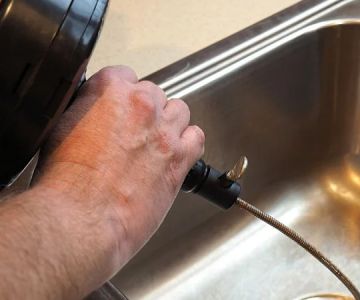
- Drain Snake: Manually or mechanically feed a drain snake to remove deep obstructions.
- Vinegar and Baking Soda: Pour a mixture of baking soda and vinegar into the drain, let it sit, then flush with hot water.
- Cleaning the P-Trap: Remove and clean the P-trap beneath the sink to eliminate trapped debris.
Consistent maintenance, such as avoiding grease and food scraps down the sink, prevents frequent clogs.
4. Leak Detection and Repair Techniques
Leaks can cause severe water damage if not addressed promptly. To detect and repair leaks:
- Check joints, gaskets, and pipe connections.
- Tighten loose fittings using appropriate plumbing tools.
- Replace damaged washers or gaskets to stop drips.
- For persistent or hidden leaks, consider using moisture detection tools or consulting a professional.
Early detection minimizes structural damage and prevents mold growth in your kitchen.
5. Maintaining Pipes to Prevent Future Issues
Proactive maintenance is key to a reliable kitchen plumbing system. Tips include:
- Regularly flush drains with hot water.
- Avoid pouring grease, coffee grounds, or fibrous foods down the sink.
- Inspect pipes periodically for corrosion or buildup.
- Install strainers to catch debris before it enters pipes.
- Schedule routine checks with a licensed plumber if your system is older.
6. Using Tools and Supplies from Plumbers Supply Hub
Equipping your kitchen plumbing toolbox with reliable products ensures safe and effective repairs. Plumbers Supply Hub offers:
- High-quality plungers and drain snakes
- Replacement gaskets, washers, and fittings
- Leak detection tools and pipe sealants
- Cleaning and maintenance supplies
Having these essentials on hand saves time and prevents minor issues from escalating.
7. Safety Tips and Preventive Measures
Always prioritize safety during plumbing work:
- Turn off the water supply before making repairs.
- Wear gloves and protective eyewear.
- Avoid using harsh chemicals that may damage pipes or harm your skin.
- Follow manufacturer instructions for all tools and treatments.
Preventive measures, like keeping the area dry and uncluttered, help avoid accidents and prolong the lifespan of your kitchen plumbing.
8. Real-Life Examples of Successful Kitchen Plumbing Fixes
Case studies demonstrate effective troubleshooting:
- A homeowner in California cleared a recurring clog using a combination of drain snake and P-trap cleaning, preventing further overflow.
- In Texas, a dripping faucet was repaired by replacing a worn-out washer, stopping water waste and reducing the water bill.
These examples show that understanding your kitchen plumbing and using proper tools can solve most common issues without major renovations.
9. When to Call a Professional Plumber
While many kitchen plumbing problems can be addressed by homeowners, some situations require professional expertise:
- Persistent or recurring leaks
- Pipe corrosion or extensive damage
- Complex installations or appliance connections
- Sewer line or drainage system problems
Engaging a licensed plumber ensures safety, compliance with local codes, and long-term solutions.


 Jim Dhamer Plumbing and Sewer Inc.4.0 (171 reviews)
 Emerson Plumbing Services4.0 (8 reviews)
 First Option Plumbing Inc5.0 (308 reviews)
 JLB Plumbing Commercial And Residential4.0 (9 reviews)
 Mr. Plumber by Metzler & Hallam4.0 (975 reviews)
 Thomas Plumbing4.0 (25 reviews)
 How to Troubleshoot Plumbing Issues in Your Kitchen or Bathroom
 How to Maintain Your Plumbing to Avoid Future Leaks and Clogs
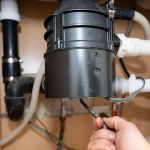 Why Your Garbage Disposal Is Jamming and How to Fix It
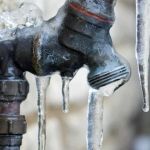 How to Prevent Frozen Pipes During the Winter Season
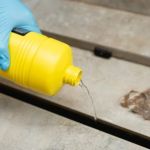 When to Use Chemical Drain Cleaners with Caution: Risks and Safe Alternatives
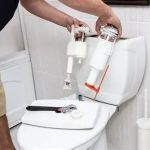 How to Fix a Running Toilet in Just a Few Simple Steps