
- 1. Common Plumbing Issues in Older Homes
- 2. How Age and Materials Affect Plumbing
- 3. Plumbing Maintenance Tips for Older Homes
- 4. When to Call a Professional for Plumbing Repairs
- 5. Plumbing Upgrades for Older Homes
1. Common Plumbing Issues in Older Homes
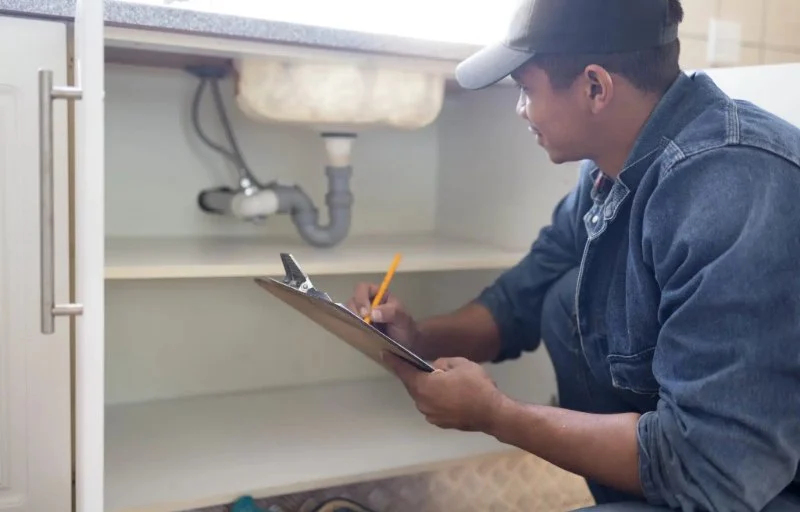
Plumbing in older homes often comes with unique challenges that can lead to costly repairs if not addressed. Common issues include corroded pipes, outdated fixtures, and clogged drain lines. Over time, pipes in older homes may deteriorate due to age, usage, and exposure to various elements.
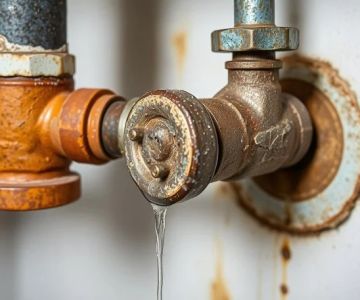
One of the most prevalent problems in older homes is the buildup of mineral deposits and corrosion in the pipes, particularly with galvanized steel or cast iron plumbing. These materials are more prone to rusting and can lead to leaks, water discoloration, or even complete pipe failure.
Another frequent issue is outdated plumbing fixtures, which may not meet modern water pressure or efficiency standards. These fixtures can leak, waste water, and increase your utility bills. Identifying and fixing these problems early can save homeowners from more severe plumbing disasters down the road.

Behrens Plumbing & Mechanical
SterlingWhiteside CountyIllinois
26580 Fulfs Rd, Sterling, IL 61081, USA
2. How Age and Materials Affect Plumbing
The materials used in older homes’ plumbing systems can significantly impact their condition and performance. Older homes were often built with plumbing made from materials that are now considered outdated or prone to wear. Here are some examples of common materials found in older plumbing systems:

Galvanized Steel Pipes
Galvanized steel was commonly used for plumbing pipes in homes built before the 1960s. Over time, these pipes corrode and accumulate mineral buildup, causing reduced water flow and potential blockages. If your home still has galvanized steel pipes, it may be time for an upgrade to more modern materials like copper or PEX.
Cast Iron Pipes
Cast iron pipes are often found in older homes and are known for their durability. However, over time, they can corrode and develop cracks. Cast iron is also more prone to tree root intrusion, which can cause blockages and further damage to the plumbing system.
Polybutylene Pipes
Polybutylene pipes were used in many homes from the 1970s to the 1990s and are now known to be highly prone to leaks. These pipes degrade over time due to chemical reactions with chlorine in the water supply, making them susceptible to breaking. If you have polybutylene pipes, they should be replaced as soon as possible to avoid water damage and costly repairs.
3. Plumbing Maintenance Tips for Older Homes
Maintaining your plumbing system in an older home is essential for preventing costly repairs. Regular inspections and maintenance can help identify issues before they become major problems. Here are some key plumbing maintenance tips:
Inspect Pipes Regularly
Regularly inspecting your plumbing pipes for signs of leaks, corrosion, or cracks is crucial, especially in older homes. If you notice any water stains on walls or ceilings, or hear the sound of running water when no faucets are on, it could be a sign of a hidden leak.
Flush the Drains
Over time, debris and minerals can build up in your drains, leading to blockages. To prevent this, flush your drains periodically with hot water or a mixture of baking soda and vinegar. This helps clear out minor clogs and prevents buildup.
Check Water Pressure
Low or high water pressure can indicate an underlying plumbing issue, such as a clogged pipe or a failing pressure regulator. Regularly checking your home’s water pressure ensures your system is running smoothly and helps detect problems early.
4. When to Call a Professional for Plumbing Repairs
While regular maintenance can help prevent many plumbing issues, some problems require the expertise of a professional plumber. Here are a few signs that indicate it’s time to call in an expert:
Frequent Clogs
If you notice that your drains are frequently clogged despite regular maintenance, it could be a sign of a more significant issue, such as tree roots in your pipes or a buildup of debris in the plumbing system. A plumber can inspect your system and provide the necessary repairs.
Leaking Pipes
If you have a leaking pipe, it’s crucial to address the issue quickly to prevent water damage to your home. Professional plumbers can locate and repair leaks efficiently, even in hard-to-reach areas of your plumbing system.
Old or Corroded Pipes
If your pipes are old, corroded, or damaged, it’s essential to have them replaced to avoid future issues. A plumber can help determine the best materials for your home and replace outdated pipes with newer, more durable options.
5. Plumbing Upgrades for Older Homes
If your home has outdated plumbing, upgrading your system can improve water flow, efficiency, and prevent future problems. Some upgrades to consider include:
Re-piping
Re-piping involves replacing old, deteriorating pipes with modern materials like copper or PEX. This is a significant investment but can drastically improve the performance of your plumbing system and prevent costly repairs in the future.
Installing New Fixtures
Installing new, energy-efficient plumbing fixtures can save you money on your water bill while improving the overall function of your system. Consider replacing old faucets, showerheads, and toilets with low-flow models to increase efficiency.
 SMK Plumbing & Electric5.0 (167 reviews)
 Vesi Works Plumbing - Plumber in Delano, MN4.0 (36 reviews)
 Good News Plumbing & Drain4.0 (236 reviews)
 Holtmeier Plumbing4.0 (30 reviews)
 Renowned Plumbing & Rooter4.0 (294 reviews)
 Sampsel Plumbing Heating & AC4.0 (62 reviews)
 How to Prevent Sewer Backups and Protect Your Home from Flooding
 How to Install a New Showerhead: A Complete Plumbing Guide
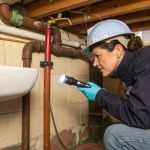 How to Detect and Repair Hidden Leaks in Your Home’s Plumbing System
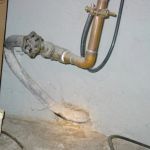 How to Test for Lead in Residential Plumbing | Plumbers Supply Hub
 How to Fix a Leaky Showerhead in Just a Few Steps: A Simple DIY Guide
 How to Install a New Toilet: A Complete Step-by-Step Guide