
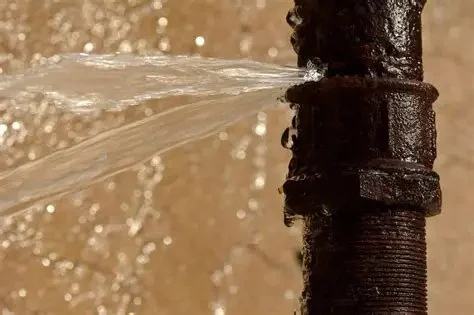
How to Handle Plumbing Problems in Older Houses
Owning an older home can be a dream for many, offering character and charm that newer constructions often lack. However, one significant downside of living in an older house is dealing with plumbing issues. Plumbing systems in older homes often face a variety of challenges, from outdated materials to general wear and tear. In this guide, we’ll walk through the most common plumbing problems in older houses and share expert tips on how to address them effectively.
- Common Plumbing Issues in Older Houses
- Understanding Your Old Plumbing System
- Prevention Tips for Plumbing Problems
- When to Call a Professional Plumber
Common Plumbing Issues in Older Houses
Older houses often have unique plumbing challenges that can be tricky to navigate. Here are some of the most common plumbing problems found in vintage homes:
Leaky Pipes
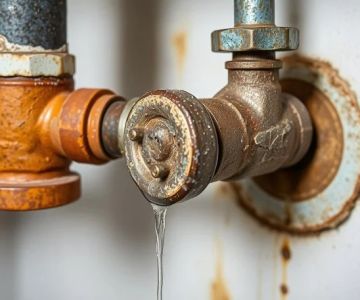
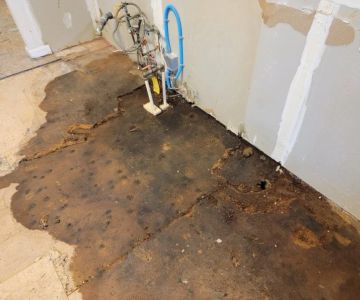
One of the most frequent issues in older homes is leaking pipes. Over time, the pipes in older homes can corrode, crack, or develop holes due to age, rust, or mineral buildup. If you notice water stains on your walls or ceilings, or hear the sound of dripping water, you may have a leaky pipe.
Clogged Drains and Sewers
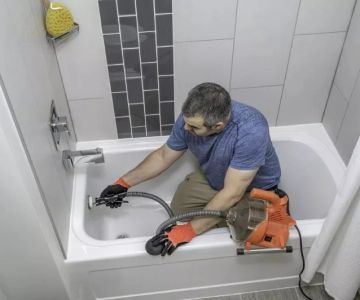
In older homes, drains can become clogged with debris, grease, and hair, especially if they haven’t been updated or maintained. Clogs can cause slow drainage and unpleasant odors. Additionally, older sewer lines made of clay or cast iron may be prone to blockages or even collapse over time.
Frozen Pipes
In colder climates, frozen pipes are a serious concern in older homes. Older plumbing systems may lack modern insulation, leaving pipes vulnerable to freezing during the winter months. If pipes freeze, they can burst, leading to significant water damage and expensive repairs.
Low Water Pressure
Low water pressure can be frustrating, and it’s a common problem in homes with older plumbing. The cause could be buildup from mineral deposits, or the pipes may have been damaged over time. Old pipes, especially those made of galvanized steel, are prone to corrosion, which can restrict water flow.
Understanding Your Old Plumbing System
Before attempting repairs, it’s essential to understand the type of plumbing system you’re dealing with. Older homes often have outdated materials that can contribute to persistent plumbing issues:
Types of Plumbing Materials in Older Houses
- Galvanized Steel: Once a popular material, galvanized steel pipes tend to rust over time, leading to corrosion and blockages.
- Cast Iron: Cast iron pipes were commonly used in the past but are prone to corrosion and deterioration, especially in sewer lines.
- Polybutylene: Used in many homes built between the 1970s and 1990s, polybutylene pipes are known to break down and leak over time.
- Lead Pipes: Homes built before 1930 often used lead pipes, which can pose serious health risks due to lead contamination in drinking water.
Should You Update Your Plumbing System?
While repairing old pipes is often a temporary fix, replacing outdated plumbing systems may be the best long-term solution. Updating to modern materials such as PEX or copper pipes can prevent many common issues and increase your home’s value.
Prevention Tips for Plumbing Problems
While plumbing problems in older homes are common, there are proactive steps you can take to prevent issues before they arise:
Schedule Regular Plumbing Inspections
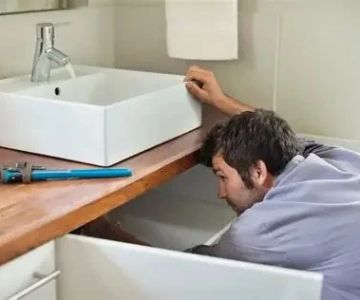
Regular plumbing inspections can catch small issues before they become major problems. A professional plumber can check for leaks, corrosion, and other hidden issues, giving you peace of mind and helping you avoid costly repairs.
Take Care of Your Drains
To prevent clogs, avoid dumping grease, food particles, and hair down the drain. Use drain covers to catch debris and periodically clean your drains using a natural cleaner like baking soda and vinegar.
Insulate Your Pipes
If you live in a cold climate, insulating your pipes can help prevent freezing. Adding insulation to both visible and hidden pipes will protect them from extreme temperature fluctuations, saving you from costly repairs in the winter.
When to Call a Professional Plumber
While many minor plumbing issues can be handled by homeowners, there are times when calling a professional plumber is necessary:
Complex or Extensive Repairs
For more complicated issues such as replacing entire pipes or dealing with a major sewer line blockage, it’s best to contact a licensed plumber. They have the expertise and tools to handle complex problems safely and effectively.
Safety Concerns
If your plumbing issues involve gas lines, electrical systems, or serious water damage, it’s critical to seek professional help immediately to ensure the safety of your home and family.
Conclusion
Handling plumbing problems in older houses requires patience, understanding, and sometimes professional assistance. By familiarizing yourself with common issues, maintaining your plumbing system, and knowing when to call a plumber, you can keep your old house’s plumbing in good shape for years to come. Remember, the right repairs and preventive measures can save you time, money, and a lot of stress.
 Rancho Heating and Air Plumbing, Inc.5.0 (14 reviews)
 Fagnelli Plumbing Heating & Cooling4.0 (91 reviews)
 Tom Drexler Plumbing, Air & Electric4.0 (1940 reviews)
 Peterson Plumbing4.0 (29 reviews)
 Reliable Plumbing LLC5.0 (23 reviews)
 Bearden Plumbing Solutions5.0 (182 reviews)
 How to Detect and Repair Hidden Plumbing Leaks in Your Home
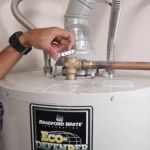 How to Fix a Leaky Water Heater: Step-by-Step Instructions
 How to Fix a Slow Drain: DIY Solutions for Common Drainage Issues
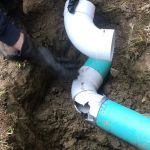 How to Replace a Broken Pipe Without Major Construction Work
 How to Clean Out a Septic Drain Field Safely: Expert Tips and Guidelines
 How to Maintain Your Home’s Plumbing System to Avoid Unnecessary Costs